Fitness / Motivation / Technology & A.I / Crypto

Welcome to the landmark 36th Edition of the PowerBuilding Digital Newsletter, where we continue our journey at the intersection of robust physical fitness, groundbreaking technology, and the dynamic digital economy. As always, our aim is to offer content that not only informs but also inspires you in these rapidly evolving sectors.
Elevating Your Fitness Game to New Heights
In this edition, we’re taking a closer look at emerging fitness trends that promise to redefine your workout regimen. Join us as we highlight the latest achievements in physical health and provide tailored advice to enhance your strength and wellbeing. It’s more than fitness; it’s about transforming your lifestyle for peak performance.
Tech Trends: Riding the Wave of AI Innovation
The world of technology is in constant flux, with Artificial Intelligence (AI) leading the charge. Our 36th edition keeps you at the forefront of these changes, focusing on how recent developments in AI can catalyze your growth both personally and professionally. We’re bridging the gap between tech innovation and daily life applications.
Exploring the Expanding Universe of Digital Currencies
Dive with us into the expanding universe of digital currencies. This edition demystifies the technology driving this financial revolution, explores its philosophical implications, and examines its potential to reshape our future. We go beyond the basics, offering insights into how digital currencies are becoming integral to our financial landscape.
As we roll out our 36th edition, we extend our warmest wishes for your continued growth in health, technological understanding, and a deeper appreciation of the digital era. Embark on this journey of vitality, innovation, and discovery with us.
Warm regards,
The PowerBuilding Digital Team
Fitness
Mind-Body Connection in Fitness

The concept of the mind-body connection in fitness is an essential aspect of holistic health and wellness. It emphasizes the integral relationship between our mental and physical states and how they synergistically affect each other in the realm of fitness and health.
The Psychological Impact of Physical Exercise
Understanding the Brain-Fitness Link
Physical activity has a profound impact on our mental well-being. Regular exercise is known to release endorphins, also known as the ‘feel-good’ hormones, which play a significant role in reducing stress and anxiety. This biochemical change not only improves mood but also enhances cognitive functions, leading to improved concentration and mental clarity.
Exercise and Mental Health
Regular physical activity is a potent antidote to depression, anxiety, and stress. It can improve your mood, increase self-esteem, and induce a sense of calm. The psychological benefits of exercise are just as important as the physical ones, and they work hand-in-hand to improve overall quality of life.
The Role of Mindfulness in Fitness
Incorporating Mindfulness into Exercise
Mindfulness in fitness involves being fully present during physical activity, aware of your body’s movements, and cognizant of your breathing. This approach can lead to a deeper connection with the activity, enhancing enjoyment and effectiveness. Mindful exercise can transform routine workouts into more meaningful experiences.
Benefits of Mindful Exercise
Engaging in mindful exercise practices, such as yoga or tai chi, can lead to improved focus, better body awareness, and a deeper sense of peace. This not only enhances the quality of the workout but also promotes a greater sense of well-being in everyday life.
Nutrition’s Role in Enhancing the Mind-Body Connection
The Importance of Balanced Nutrition
A balanced diet is crucial in supporting the mind-body connection. Nutrients from a well-rounded diet fuel the body for exercise and aid in recovery, while also supporting brain function, mood regulation, and overall mental health.
Nutritional Strategies for Optimal Fitness
To maximize the benefits of the mind-body connection in fitness, it’s essential to focus on a diet rich in whole foods, lean proteins, healthy fats, and complex carbohydrates. Hydration and timing of meals also play a significant role in how our bodies and minds perform during exercise.
Rest and Recovery: Essential Components of Mind-Body Fitness
Understanding the Need for Rest
Rest and recovery are as important as the exercise itself in the realm of mind-body fitness. Adequate rest allows for physical repair, mental rejuvenation, and the prevention of burnout, ensuring a balanced approach to fitness.
Techniques for Effective Recovery
Effective recovery techniques include adequate sleep, rest days, and practices such as meditation and deep breathing exercises. These practices not only aid in physical recovery but also provide mental relaxation and stress relief.
The Long-Term Benefits of a Mind-Body Approach to Fitness
Physical and Mental Health Synergy
Adopting a mind-body approach to fitness can lead to long-term health benefits, including sustained physical health, mental resilience, and a deeper understanding of the connection between emotional and physical well-being.
Transforming Lifestyle and Well-being
This approach to fitness is not just about exercise; it’s a lifestyle choice that encompasses mental health, physical health, nutrition, and mindfulness. It fosters a holistic approach to well-being, promoting a balanced and fulfilled life.
Embracing the mind-body connection in fitness is not just about achieving physical goals but about nurturing the mental and emotional aspects of health. It’s a comprehensive approach that can lead to a more balanced, healthier, and fulfilling life.
Motivation
Forgive Yourself and Continue to Lead

Understanding the Power of Self-Forgiveness in Leadership
Self-forgiveness is a crucial yet often overlooked aspect of effective leadership. It involves acknowledging one’s mistakes, learning from them, and moving forward without self-imposed guilt or resentment. This ability not only fosters personal growth but also creates a more humane and relatable leader.
The Psychological Benefits
Engaging in self-forgiveness has profound psychological benefits. It reduces stress, enhances emotional well-being, and promotes a growth mindset. Leaders who forgive themselves are better equipped to handle future challenges with a clear and positive mindset.
Impact on Team Dynamics
A leader’s approach to self-forgiveness significantly impacts team dynamics. It sets a precedent for a nurturing and supportive work environment, encouraging team members to take calculated risks and learn from their failures.
The Role of Resilience in Sustaining Leadership
Resilience is the backbone of enduring leadership. It’s the ability to bounce back from setbacks and continue moving forward.
Building Emotional Resilience
Emotional resilience is about maintaining balance and coping with stress effectively. Leaders can build this through mindfulness practices, maintaining a supportive network, and engaging in regular self-reflection.
Fostering a Resilient Team Culture
Creating a resilient team culture is pivotal. This involves promoting open communication, recognizing and celebrating efforts, and providing resources for team members to develop their resilience.
Effective Communication: The Bridge to Understanding and Empathy
Leaders must excel in communication, not just in conveying their vision but also in listening and empathizing with their team.
Active Listening Skills
Active listening involves fully concentrating, understanding, responding, and remembering what is being said. This skill is essential for leaders to understand their team’s perspectives and challenges.
The Art of Empathetic Leadership
Empathetic leadership is about genuinely understanding and sharing the feelings of others. It helps in building trust and a strong team bond.
The Continuous Journey of Learning and Development
Leadership is a never-ending journey of learning and personal development. Staying updated and adaptable to changes is crucial.
Embracing Change and Innovation
Leaders should be open to new ideas and approaches. This involves staying informed about industry trends and encouraging innovation within the team.
Personal and Professional Growth Strategies
Investing in personal and professional growth is vital. Leaders can engage in continuous learning through courses, workshops, and mentorship programs.
Leading by Example: The Ultimate Leadership Trait
The most effective leaders lead by example. This involves demonstrating the values, ethics, and behaviors they expect from their team.
Setting the Standard
Leaders set the standard for their team. Their actions and decisions significantly influence the team’s morale and performance.
The Effect of Positive Leadership
Positive leadership creates a ripple effect, inspiring team members to emulate similar behaviors and attitudes, leading to a more cohesive and productive team.
Leadership is an evolving journey filled with challenges and learning opportunities. Embracing self-forgiveness, building resilience, effective communication, continuous learning, and leading by example are key elements that contribute to sustainable and impactful leadership. Remember, the path to becoming a great leader is a continuous process of self-improvement and adaptation.
Technology & A.I
Accenture Acquires Udacity to Foster AI Learning

In a strategic move to bolster its educational offerings, global professional services giant Accenture has announced the acquisition of Udacity, a renowned player in the online learning landscape. This acquisition aligns with Accenture’s ambitious vision to develop a cutting-edge learning platform, LearnVantage, that zeroes in on the burgeoning interest in artificial intelligence (AI) and technology skills. Though financial details of the deal remain undisclosed, this move accompanies a hefty $1 billion investment by Accenture to create a technological education hub.
The Drive Towards AI and Technology Proficiency
Accenture’s acquisition isn’t just a business expansion; it’s a clear nod to the increasing importance of AI in the corporate and technological world. The company’s emphasis on AI training underlines a critical market need: equipping the workforce with advanced AI competencies. Kishore Durg, the global leader of Accenture LearnVantage, emphasized the seismic shift generative AI is causing in workplace dynamics, highlighting the urgency for comprehensive training in AI, cloud, and data management.
Udacity’s New Horizon under Accenture’s Wing
Founded in 2011, Udacity has been a key figure in online education, particularly in technology and programming niches. The acquisition by a giant like Accenture signifies a new chapter for Udacity, potentially amplifying its reach and impact in the global education sphere. Although talks of Udacity’s potential merger with Indian edtech firm Upgrad, rumored at around $80 million, had circulated earlier, Accenture’s move has firmly placed Udacity under its expansive corporate umbrella.
A Sharp Turn in Valuation Trends
The speculated price tag of $80 million for Udacity marks a notable shift from its heyday valuation of $1 billion in 2015, after raising nearly $300 million, according to PitchBook data. This fluctuation in valuation reflects the dynamic and often unpredictable nature of the tech and edtech markets, where rapid innovations and market shifts can dramatically alter a company’s worth.
Navigating Regulatory Landscapes
As with any significant corporate acquisition, this deal between Accenture and Udacity is subject to the usual rigmarole of regulatory review and antitrust considerations. This process is a vital step in ensuring fair competition and market health, especially in sectors as influential as technology and education.
The Future of Tech Education with Accenture and Udacity
This acquisition is more than a corporate transaction; it’s a harbinger of the evolving landscape in tech education. With AI and technology skills becoming increasingly integral to a wide array of industries, platforms like LearnVantage are set to become critical in shaping the workforce of the future. Accenture’s integration of Udacity into its vision paves the way for innovative learning solutions, catering to the ever-growing demand for tech proficiency in an AI-driven world.
Google DeepMind’s Genie for Text-to-Video Game Creation

Google DeepMind’s latest innovation, Genie, marks a significant milestone in the world of gaming and AI. This advanced model heralds a new age in game development, seamlessly transforming simple inputs like sketches, photos, or text descriptions into interactive 2D platform video games.
The Genesis of Genie: A Leap Beyond Traditional Game Design
Genie represents a paradigm shift in game creation, leveraging an extensive dataset to redefine user interaction. Trained on an impressive 30,000 hours of 2D platform game footage, Genie stands apart in its approach. Unlike predecessors which required video data paired with corresponding input actions, Genie operates solely on video footage. This innovative method harnesses the power of existing online videos as a vast training ground, offering a more efficient and expansive learning base.
Innovative Gameplay Mechanics: Genie’s Unique Approach
Genie’s technical prowess is evident in its real-time game frame generation. Each player’s action, from jumping to moving left or right, prompts Genie to create a new frame, depicting the character’s response. This meticulous frame-by-frame construction results in a truly interactive experience, albeit currently at a modest one frame per second. However, Google DeepMind’s research scientist Tim Rocktäschel assures that future versions could achieve the conventional 30 frames per second, utilizing advancements paralleling those in large language models.
Enhancing Realism: The Subtle Art of Game Environment Design
An intriguing aspect of Genie’s game generation is its incorporation of common visual elements in platformers, such as the parallax effect. This attention to detail adds depth and authenticity to the gaming experience, elevating the standard of AI-generated games.
Beyond Entertainment: Genie’s Potential in AI Research and Robotics
While primarily a research project, Genie’s capabilities extend beyond entertainment. The DeepMind team envisions its application in open-ended learning environments. Similar to the 2021-developed XLand, these AI-generated environments can serve as training grounds for AI bots, preparing them for diverse real-world challenges. Moreover, Genie’s proficiency in interpreting video footage of robotic arms hints at a future where robots could learn new tasks through video tutorials.
The Future of Creative Expression and Gaming with Genie
Although not slated for public release, Genie’s potential as a game-making tool remains a subject of great interest within the AI community. Its ability to turn abstract inputs into playable games not only showcases the prowess of AI in creative fields but also promises a future where technology and creativity converge in unprecedented ways.
In conclusion, Google DeepMind’s Genie is more than just a technological marvel; it’s a beacon of innovation in game design and AI application. Its development signals a future where AI not only complements human creativity but also expands the horizons of what’s possible in gaming and beyond. As we anticipate future advancements, Genie stands as a testament to the limitless potential of AI in reshaping our world.
Sahara’s Approach to Empower Data Providers and AI Trainers

Artificial intelligence (AI) and cryptocurrency are reshaping industries, a new player, Sahara, emerges with a revolutionary proposition. This Los Angeles-based startup is making waves by bridging the gap between AI advancements and fair compensation for knowledge contributors.
Sahara’s Pioneering Vision: A New Era for AI and Crypto Synergy
With a significant seed funding of $6 million, led by Polychain Capital and bolstered by heavyweights like Samsung Next and Matrix Partners, Sahara is not just another startup. It’s a beacon of innovation in the AI and crypto universe. This funding round, highlighting the confidence of industry leaders in Sahara’s vision, marks a pivotal moment in the integration of these two cutting-edge technologies.
A New Paradigm: Rewarding Knowledge in the Digital Age
Sahara is not just another AI product. It stands out with its unique approach to reward those who contribute data and expertise to AI development. Unlike traditional models where AI profits solely benefit the creating company, Sahara is set to change the game. By directly rewarding users, data providers, and AI trainers, Sahara is championing a fairer, more inclusive AI economy.
Sean Ren: The Visionary Behind Sahara
Sean Ren, Sahara’s co-founder, brings a rich background as an AI researcher from the University of Southern California (USC) and a tenure in computer science. His experience at the Allen Institute for AI and as a data science advisor at Snapchat has fueled his ambition to create a more equitable AI world. His goal? To ensure that contributors to AI advancements, often overshadowed, receive their due recognition and rewards.
Tyler Zhou: Co-Founder with a Vision
Joining Ren in this venture is co-founder Tyler Zhou, a UC Berkeley alum with a history at Binance Labs. Together, they are setting the stage for a paradigm shift in how AI models are trained and monetized.
Revolutionizing AI with Sahara Knowledge Agent (KA)
Sahara’s flagship product, the Sahara Knowledge Agent (KA), is set to disrupt the market. This customizable AI agent for individuals and businesses will be unique in how it’s monetized – allowing those who train the model to be directly compensated. This is a stark contrast to existing AI agents and a move towards a more equitable AI economy.
Blockchain: The Backbone of Sahara’s Innovation
Utilizing blockchain technology, Sahara aims to ensure data tracking and contributor rewards in a secure, privacy-preserving manner. Sahara Data, another early product from the startup, promises high-value data services for AI model training, addressing major concerns around security and privacy in data handling.
Sahara’s Rapid Adoption and Future Prospects
With Microsoft, MIT, USC, and several enterprise clients already embracing Sahara’s technology, the startup is quickly gaining traction. The rollout of Sahara’s products to the public, scheduled for this year, is highly anticipated, signalling a new direction for the Web2 AI industry.
Empowering Experts and the General Public Alike
Sahara’s model allows professional experts to scale and monetize their knowledge, reaching a broader audience. Additionally, the general public can contribute to public knowledge bases or base models, ensuring everyone plays a role in this new ecosystem.
Profit-Sharing: A Fair Reward System
Contributors to Sahara’s models stand to gain a share of the profits, a novel approach in the AI industry. This profit-sharing model is poised to attract more contributors, fostering a more collaborative and fair AI development process.
The Intersection of AI and Crypto: A Timely Convergence
Sahara’s emergence comes at a crucial time when the intersection of AI and crypto is drawing significant attention. From Worldcoin’s retina-scanning technology for digital identity verification to Vitalik Buterin’s insights on AI and crypto synergies, the industry is ripe for innovation.
In conclusion, Sahara’s vision of a balanced and rewarding AI ecosystem, underpinned by blockchain technology, is not just a business model – it’s a movement towards a more equitable digital future. As we witness the convergence of AI and crypto, Sahara stands at the forefront, heralding a new era of innovation and fairness in the digital world.
Quantum Computing: Multiverse Computing’s Breakthrough in AI and Finance

Quantum computing stands on the cusp of a revolutionary breakthrough. Despite the physical manifestation of quantum computers in the market being a few years away, the landscape is rapidly changing. The application of quantum computing in managing intricate calculations across various sectors like finance and artificial intelligence is accelerating at an unprecedented pace.
Multiverse Computing: Spearheading Quantum Innovations
The heart of this technological acceleration is a startup from San Sebastian, Spain, known as Multiverse Computing. This innovative venture has recently secured a significant investment of €25 million (approximately $27 million) in an equity funding round, steered by Columbus Venture Partners. This investment skyrocketed the company’s valuation to €100 million ($108 million), earmarked for two primary objectives: enhancing their existing business model and expanding their collaborations with AI companies focused on large language models.
Strategic Vision and Optimization Focus
Multiverse Computing, under the leadership of CEO Enrique Lizaso Olmos, focuses primarily on optimization. As computations become increasingly sophisticated and expensive, the need for more efficient solutions becomes imperative. Multiverse’s Singularity platform, designed to cater to a wide array of industries including finance, manufacturing, energy, cybersecurity, and defense, promises to optimize complex modeling and predictive applications with greater efficiency.
AI Advancements and Large Language Model Optimization
In the AI domain, Multiverse Computing is specifically concentrating on refining large language models. Their product, CompactifAI, targets the optimization of ongoing calculations in building and querying large language models, aiming to reduce redundancy and enhance speed and reliability of results.
The company’s claim of being able to compress these models by over 80% using “quantum-inspired tensor networks” is groundbreaking. This development could potentially redefine processor usage and address significant bottlenecks in the industry.
Enrique Lizaso Olmos: A Polymath at the Helm
Enrique Lizaso Olmos, with his diverse educational background encompassing medicine, mathematics, computer engineering, biostatistics, and an MBA, stands at the forefront of this innovation. His journey from academics to spearheading a quantum software startup reflects his multidisciplinary expertise and visionary approach. Multiverse Computing’s origins trace back to 2017, when a casual WhatsApp group discussion among Lizaso Olmos and his colleagues led to a groundbreaking paper on quantum applications in finance, eventually paving the way for the company’s inception.
Expanding Horizons: From Finance to Diverse Sectors
Initially focusing on quantum applications in finance, Multiverse Computing has since expanded into other sectors, garnering an impressive clientele including Moody’s Analytics, Bosch, BASF, Iberdrola, Crédit Agricole, and BBVA. The company now finds a larger share of its business coming from industrial and energy sectors, attracted by the promise of greener and more efficient computing solutions.
Support and Future Directions
The recent funding round not only included Columbus Venture Partners but also saw participation from previous backers Quantonation Ventures, alongside new investors such as the European Innovation Council Fund, Redstone QAI Quantum Fund, and Indi Partners. Looking ahead, Multiverse Computing aims to venture into the life sciences and biotechnology markets, with Columbus Venture Partners aiding in identifying market needs and industrial partnerships.
Conclusion: A Quantum Leap for Multiverse Computing
As Multiverse Computing cements its position in the quantum computing sector, it faces competition from peers like Alphabet’s Sandbox AQ, Quantum Motion, and Classiq. However, its unique approach to optimization, combined with Lizaso Olmos’s visionary leadership, positions it uniquely in the race to redefine the future of deep tech and AI. The success of Multiverse Computing not only signals a new era in computational efficiency but also showcases the transformative potential of quantum computing in various industries.
Meta Facebook’s Video Recommendations

Meta, the tech giant behind Facebook, is making waves with its significant investment in artificial intelligence (AI). This strategic move is not just an addition to their tech repertoire; it’s a transformative leap towards an AI-driven future. The cornerstone of this initiative is an AI system crafted to redefine the way videos are recommended across Facebook’s diverse platforms. Tom Alison, the head of Facebook, has unveiled an ambitious vision – a technological roadmap leading to 2026, which includes the development of a groundbreaking AI recommendation model. This model is expected to enhance both the trendy TikTok-esque Reels and the traditional, longer video formats on Facebook.
AI Integration: A Unified Approach
Previously, Meta employed distinct models for its array of products, such as Reels, Groups, and the core Facebook Feed. The emergence of this innovative AI recommendation model marks a departure from the norm, showcasing Meta’s commitment to unifying and upgrading its recommendation systems.
The Role of Nvidia GPUs in AI Expansion
Meta’s foray into AI has been bolstered by its investment in Nvidia’s graphics processing units (GPUs), a critical component for AI development. These GPUs are integral for training large language models (LLMs) like OpenAI’s ChatGPT. The transition from traditional computer chips to GPUs underlines Meta’s focus on enhancing product performance through cutting-edge technology.
Phase 1: Transition to GPU-Based Systems
The first phase of Meta’s technology roadmap involved migrating their current recommendation systems to GPUs. This shift was aimed at boosting the efficiency and effectiveness of their services, setting the stage for more advanced AI applications.
The Rise of LLMs and Meta’s Vision
Meta’s executives were profoundly influenced by the surge in interest in LLMs. Recognizing the potential of these AI models in handling vast amounts of data and general-purpose activities, such as chatting, Meta envisioned a comprehensive recommendation model that could be universally applied across its product range. By last year, Meta had started experimenting with this new model architecture, notably on Reels.
Significant Gains in Reels with New AI Model
The implementation of this new AI model architecture on Reels led to an impressive 8% to 10% increase in watch time on the Facebook app. This success was a testament to the model’s superior data learning capabilities compared to previous iterations.
Phase 3: Expanding Across Platforms
Meta has now entered the third phase of its system re-architecture. The focus is on validating the technology and expanding its application across multiple products. The goal is to power Meta’s entire video ecosystem with this single model and potentially integrate it with the Feed recommendation product. If successful, this would not only enhance user engagement and relevance but also improve the responsiveness of the recommendations.
The Future of AI in Meta’s Ecosystem
Envisioning a successful implementation, Alison illustrated how this integration would work. For instance, if a user is engaged with content in Reels and then switches to the Feed, the system could display more content aligned with their interests.
Beyond video recommendations, Meta’s vast GPU resources are set to bolster a wider range of generative AI projects. This includes developing sophisticated digital assistants and integrating enhanced chatting tools into the core Facebook Feed. For example, users could receive tailored information about a post related to Taylor Swift simply by interacting with the Meta AI.
Generative AI in Consumer Environments
Meta is also exploring the integration of AI chatting tools within Facebook Groups. This could transform user interactions in specific interest groups, such as offering instant responses to queries in a baking group, facilitated by a digital assistant.
Meta’s strategic investment and innovative approaches in AI signal a new era for Facebook’s video recommendation and user interaction systems. This forward-thinking vision positions Meta at the forefront of AI application in social media, promising a more integrated, efficient, and engaging user experience.
Fort Smith School District Enhances Security with Innovative AI Weapon Detection System

In a proactive approach to ensure student safety, the Fort Smith School District is on the brink of finalizing a significant contract with ZeroEyes, a leading weapon detection system provider. This groundbreaking initiative, valued at $156,000 annually, leverages the power of artificial intelligence to bolster school security.
Integrating Advanced AI for Enhanced Protection
Deputy Superintendent Martin Mahan highlighted during a recent School Board meeting that ZeroEyes’ system seamlessly integrates with existing school cameras. It employs sophisticated AI technology to identify weapons, quickly transmitting the footage to experts for analysis. In case of a verified threat, affected schools can immediately initiate lockdown protocols, ensuring rapid response to any potential danger.
ZeroEyes: A Response to Increasing School Security Needs
Founded by Navy SEALs and technology experts in 2018, in the wake of the Marjory Stoneman Douglas High School shooting, ZeroEyes aims to prevent similar tragedies. Their system offers military-grade surveillance and rapid alert dispatch, making it a fitting choice for schools, commercial buildings, and defense installations.
Impressive Track Record and Nationwide Adoption
JT Wilkins, the senior vice president of sales at ZeroEyes, informed the board of the company’s impressive reach. Already operational in 40 states, including Arkansas, the system has been instrumental in preventing incidents, with 10 arrests in 2023 alone due to its timely weapon detection.
Scope and Implementation Timeline
Mahan announced plans to have ZeroEyes operational by August, emphasizing confidentiality regarding the system’s full scope for security reasons. He detailed the inclusion of specialized cameras and software, backed by a five-year warranty. The contract ensures a fixed price for six years, offering financial predictability for the district.
Funding Strategies and Financial Planning
The district’s Chief Financial Officer, Charles Warren, mentioned exploring grant opportunities to finance the contract. In the absence of grants, the district would allocate funds from its operating budget, ensuring uninterrupted service and security.
Annual Evaluation and Continued Commitment
Superintendent Terry Morawski underscored the School Board’s commitment to annual evaluations of the contract, ensuring its alignment with district security needs. Board President Dalton Person expressed confidence in the plan, emphasizing the paramount importance of school safety.
Prompted by Recent Incidents
This decision follows two recent weapon-related incidents at district schools, underscoring the urgent need for enhanced security measures. The first incident involved a firearm at Northside High School, while the second concerned a knife threat at Ramsey Middle School. Both incidents were promptly addressed without harm to students or staff, showcasing the district’s effective crisis response.
Additional Safety Measures and School Resource Officers
Further underscoring the district’s commitment to safety, Morawski detailed ongoing efforts, including the addition of dean positions for improved discipline and campus security. The district also plans to expand its team of school resource officers, offering added protection across its educational facilities.
The Fort Smith School District’s collaboration with ZeroEyes marks a significant stride in school security. By embracing advanced technology and strategic planning, the district not only protects its students and staff but also sets a precedent for other educational institutions prioritizing safety in today’s challenging times.
Battlefield Technology: Palantir’s TITAN Project

The U.S. Army has recently awarded a significant contract to the Denver-based software powerhouse, Palantir Technologies. This $175 million contract is set to kickstart the development of the Tactical Intelligence Targeting Access Node (TITAN), an advanced battlefield system infused with cutting-edge artificial intelligence (AI).
Palantir: Blending Fiction with Reality
Founded in 2003 by the visionary entrepreneur, Peter Thiel, Palantir has always stood at the intersection of technology and imagination. The company’s name, intriguingly derived from J.R.R. Tolkien’s epic, ‘The Lord of the Rings’, symbolizes its commitment to innovative intelligence solutions. Palantir’s journey reflects a seamless blend of fantasy inspiration and real-world technological prowess.
The TITAN Project: A New Era of Battlefield Intelligence
The TITAN project represents a paradigm shift in military technology. Over the next two years, Palantir will integrate AI and machine learning to process and analyze vast amounts of battlefield data. This project aims to deliver ten highly advanced systems, with half of them being cutting-edge models, to be installed in tactical vehicles. This initiative marks a significant step in modernizing combat strategies and enhancing defense capabilities.
AI at the Core of Modern Warfare
Shyam Sankar, Palantir’s Chief Technology Officer, views the TITAN project as a reflection of how software and AI are reshaping the world, especially in the context of warfare. “This is a manifestation of just that,” Sankar commented in a statement to CNBC. TITAN is envisioned as a vehicle that transcends traditional boundaries, providing deep sensory capabilities for long-range precision attacks. The development of TITAN, which saw Palantir triumph over defense industry behemoth RTX (formerly Raytheon), signals a shift towards more technologically advanced warfare systems.
Enhancing Military Intelligence and Efficiency
TITAN’s core mission is to streamline the process of target recognition and geolocation, reducing the time taken from detecting a target to engaging it (sensor-to-shooter or S2S timelines). The system will fuse intelligence from multiple sensors to create a comprehensive battlefield picture. Once operational, TITAN will have the capability to detect threats across multiple domains – air, land, sea, space, and cyberspace, leveraging technologies from leading defense firms such as Northrop Grumman, Anduril Industries, L3Harris Technologies, and Pacific Defense.
Global AI Advancements in Military Applications
The use of AI in military applications has seen rapid advancement globally. The Israeli Defense Force’s AI-powered targeting system, “The Gospels”, is an example of such innovation. Similarly, San Diego-based Kratos Defense’s collaboration with Shield AI led to the development of the AI-driven XQ-58A Valkyrie warplane, a system that complements traditional fighter jets like the F-16s.
AI Transforming Battlefield Exploration
AI’s role extends beyond combat to exploration and reconnaissance. Shield AI’s Nova system is a prime example, where AI-driven drones autonomously explore and analyze environments, providing critical intelligence to ground forces. Willie Logan, Shield AI’s Director of Engineering, emphasized the system’s ability to deliver real-time insights into potentially hazardous environments, thereby safeguarding military personnel.
The development of Palantir’s TITAN system marks a significant milestone in military technology, reflecting a broader trend towards AI-driven defense solutions. As these technologies continue to evolve, they promise to transform the landscape of modern warfare, making it more efficient, precise, and safe for the soldiers on the front lines.
Crypto
Data Privacy: Zama’s $73 Million Series A Boost Led by Cryptocurrency Heavyweights

A groundbreaking shift is underway, spearheaded by Zama, an open-source cryptography pioneer. Zama’s recent surge in funding, totaling an impressive $73 million in their Series A round, marks a significant milestone in the advancement of fully homomorphic encryption (FHE). This technology is poised to redefine data processing, emphasizing unparalleled privacy in blockchain and AI realms.
The Power Players in Zama’s Funding Success
At the forefront of Zama’s financial boost is Multicoin Capital and Protocol Labs, two giants in the cryptocurrency sphere. Their leadership in this funding round underscores the growing recognition of FHE’s potential in revolutionizing data security. The round saw notable contributions from influential figures like Anatoly Yakovenko, the co-founder of Solana, and Gavin Wood, known for his role in founding Ethereum and Polkadot. These investments reflect the industry’s confidence in Zama’s vision and the future of FHE.
Unlocking the Potential of Fully Homomorphic Encryption
Fully homomorphic encryption is more than just a buzzword in the tech community; it’s a game-changer. The essence of FHE lies in its ability to allow the processing of encrypted data without the need for decryption, ensuring privacy remains intact. This technological breakthrough is particularly relevant in the blockchain and AI sectors, where data security is paramount.
Zama, established in 2020, champions FHE as the “holy grail” of cryptography. Their innovative approach allows companies to deliver services while maintaining the utmost confidentiality of user data, significantly minimizing exposure risks.
Introducing fhEVM: A Leap Forward in Confidential Smart Contracts
One of Zama’s crowning achievements is the development of fhEVM, a confidential smart contract protocol. This protocol is specifically tailored for Ethereum-compatible blockchains, representing a major leap forward in the industry. With fhEVM, on-chain data remains securely end-to-end encrypted throughout the processing phase, setting a new standard for data privacy and security in smart contracts.
Multicoin Capital’s Vision for the Future of Computing
Kyle Samani, the managing partner at Multicoin Capital, voiced his support for FHE’s critical role in shaping the next decade of computing. His statement in the press release echoes a widespread belief in the industry: that FHE isn’t just an innovative concept but a foundational cryptographic primitive that will underpin the future of secure computing.
A New Era of Privacy and Security
Zama’s successful Series A funding round marks a significant step forward in the world of cryptography and digital security. With the backing of industry leaders and a revolutionary product like fhEVM, Zama is well-positioned to lead the charge in ensuring data privacy and security in blockchain and AI technologies. As we venture further into a digital age where data is king, solutions like FHE offered by Zama will be pivotal in protecting our digital footprints and maintaining the integrity of our online interactions.
Understanding the Hut 8 Share Price Drop and Legal Ramifications for Investors
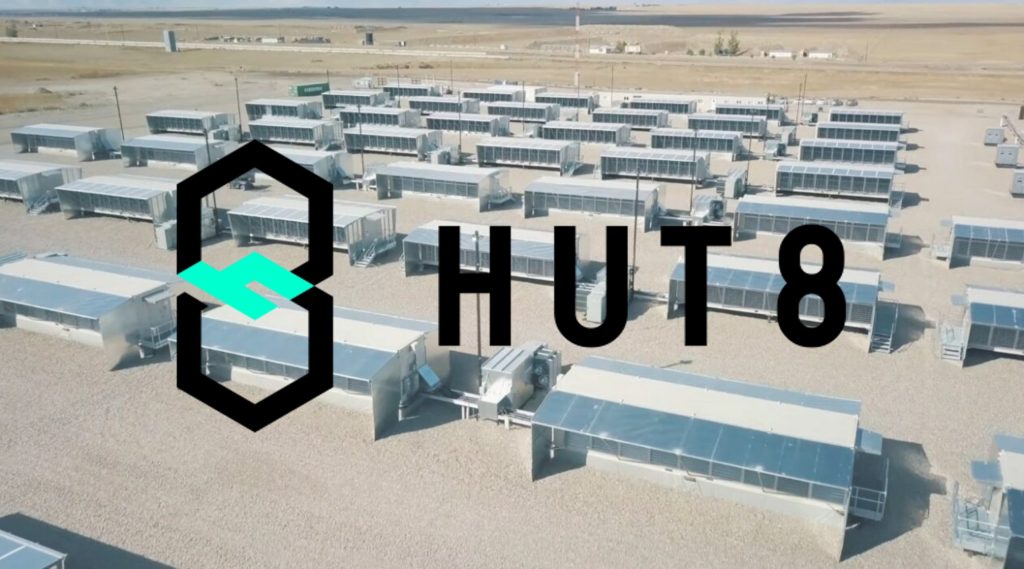
Hut 8, a prominent Bitcoin mining firm, have caught the attention of investors and legal experts alike. This article delves into the intricate details of the lawsuits surrounding Hut 8, the implications for shareholders, and the company’s operational challenges, providing a comprehensive understanding of this high-stakes financial situation.
The Allegations and the Share Price Plunge
Hut 8’s share prices experienced a dramatic fall on January 19, plummeting by 23% from $7.12 to $2.16. This sharp decline was triggered by the release of an unverified report by J Capital, alleging potential insider plans to offload Hut 8 stock. These claims, while not substantiated, have stirred significant unrest among investors.
In response to these allegations, Hut 8 conducted a thorough review, subsequently refuting all claims of short-selling on January 24. The company’s official statement highlighted what it considered a deliberate dissemination of misinformation aimed at undermining its credibility, operations, and leadership.
The Ripple Effect on Investors
This turmoil has had a tangible impact on investors, especially those who acquired Hut 8 shares between November 9, 2023, and January 18, 2024. Law firms have stepped forward, offering representation to these investors to seek compensation for their losses. Notably, Kuznicki Law alleges that Hut 8 and its executives breached federal securities laws by misrepresenting financial details, thereby adversely affecting the stock value.
Leadership Changes Amidst the Crisis
Adding to the company’s challenges, Jaime Leverton stepped down as the CEO of Hut 8, making way for Asher Genoot, previously the president and a board member, to take the helm. This change in leadership occurred amidst allegations by J Capital against Hut 8’s partner, USBTC, over a controversial $725 million merger deal.
Hut 8’s Operational Struggles and Decisions
On a different front, Hut 8 announced the shutdown of its mining operation in Drumheller, Alberta, on March 6. This decision, attributed to the site’s diminished profitability due to soaring energy costs and persistent voltage issues, underscores the operational hurdles the firm faces. CEO Genoot emphasized the thorough analysis leading to this decision, highlighting the challenging market conditions impacting the sector.
Forward Look
The situation surrounding Hut 8 serves as a microcosm of the volatile nature of the cryptocurrency mining industry. While the company grapples with legal challenges and operational decisions, the broader implications for investors and the market remain a subject of keen interest. As Hut 8 navigates these turbulent waters, the outcomes of these legal battles and strategic choices will likely set precedents for the industry at large.
Digital Assets in Arizona: A Bold Move Towards Bitcoin in Retirement Funds

The Arizona State Senate has initiated a pivotal move by passing a resolution that puts digital assets, especially Bitcoin, in the spotlight as potential game-changers for state retirement systems. This groundbreaking development, embodied in Senate Concurrent Resolution 1016 (SCR 1016), signals a shift towards embracing digital currencies in mainstream financial strategies.
Arizona’s Retirement Systems Eyeing Bitcoin ETFs
At the heart of this revolutionary proposal is the Arizona State Retirement System (ASRS) and the Public Safety Personnel Retirement System (PSPRS), both of which have been pillars of Arizona’s public employee retirement benefits since 1953 and 1968, respectively. These systems, responsible for the financial well-being of numerous public servants including firefighters and police officers, are now exploring the incorporation of digital asset ETFs, like those of Bitcoin, into their investment portfolios.
With over $70.2 billion in assets under management as of 2024, the combined might of ASRS and PSPRS’s investment strategies could set a precedent in the world of retirement fund management.
SCR 1016: Steering Retirement Funds Towards Digital Innovation
SCR 1016 is not just about diversification; it’s about proactive adaptation to the evolving financial landscape. The resolution encourages these retirement funds to be well-informed about the latest trends in digital assets and consult with expert firms in the field. This strategic move is expected to involve a thorough analysis of how investing in digital assets like Bitcoin ETFs could benefit or pose risks to state retirement funds.
As part of this ambitious plan, a detailed report is to be prepared for the legislative and executive branches, outlining the potential roadmap for incorporating digital assets into Arizona’s state retirement funds.
The Rising Tide of Bitcoin ETFs
The investment world has been abuzz with the introduction of spot Bitcoin ETFs, which have demonstrated remarkable performance, influencing investor attitudes significantly. The newly launched ‘Newborn Nine’ ETFs quickly amassed over $11 billion in assets under management in their first month, with a total AUM of roughly $22 billion by early March, featuring IBIT at $10 billion. Alongside GBTC, the total AUM of these Bitcoin-related investments stands at an impressive $47 billion.
This surging interest underscores a growing demand for regulated, easily accessible investment products linked directly to Bitcoin’s price. Furthermore, anticipation is building around Bitcoin’s upcoming fourth halving of mining rewards, expected to fuel even more interest in the cryptocurrency.
A Forward-Thinking Financial Strategy
Arizona’s foray into digital assets through SCR 1016 is more than an investment strategy; it’s a reflection of the state’s commitment to staying ahead in the financial arena. By considering Bitcoin and other digital assets for state retirement funds, Arizona is paving the way for innovative and potentially lucrative investment practices, promising a more diversified and secure financial future for its public servants. This bold move could well inspire other states to follow suit, heralding a new era in retirement fund management.
Solana’s DeFi Innovator Kamino Launches KMNO Airdrop: A Game-Changer in Crypto Rewards

The DeFi landscape is witnessing a remarkable evolution with Kamino, a pioneering Solana-based platform, announcing its inaugural airdrop of the KMNO token. This strategic move earmarks an impressive 7% of KMNO’s total supply for its first airdrop, signifying a major step in decentralized finance (DeFi) on the Solana blockchain.
Decentralized Finance Meets Solana: The Rise of Kamino
Kamino stands out in the DeFi sector by offering a comprehensive platform for borrowing, lending, and optimizing earnings through diversified trading strategies. This approach caters to the burgeoning Solana ecosystem, leveraging its speed and efficiency. Kamino’s foresight in deploying a points program last year positioned it ideally for this exciting airdrop, emulating successful precedents set by Jito and Jupiter.
KMNO Token: Powering Governance and Community Engagement
The KMNO token is set to transcend its role as just another cryptocurrency by becoming a pivotal governance asset from day one. As outlined by Thomas, a key Kamino contributor, during a recent Solana developer discussion, KMNO holders will play a crucial role in steering the platform’s incentive schemes, revenue allocation, operational decisions, and risk management protocols. This governance structure not only empowers users but also aligns with Kamino’s vision for decentralized finance.
A Snapshot in Time: Capturing Eligibility for the Airdrop
With the snapshot date fixed on March 31, Kamino’s airdrop strategy is clear and user-focused. As Thomas elaborated, the allocation of KMNO tokens to users will be directly influenced by their accrued points. This method is not only fair but also combats the potential threat of sybil attacks by airdrop farmers using multiple wallets, ensuring a more equitable distribution.
Tokenomics of KMNO: Understanding Supply and Circulation
Kamino’s tokenomics reveal a total supply of a staggering 10 billion KMNO tokens, with 10% set to enter circulation upon its April debut. Additionally, the platform has reserved 7% of the total supply for an “initial community distribution.” This strategic allocation underscores Kamino’s commitment to its community and lays a strong foundation for future growth and stability.
Embracing Loyalty: The Future of Kamino’s Airdrop Program
Kamino’s vision extends beyond the initial airdrop. The platform plans for ongoing token distributions in subsequent “airdrop seasons.” The second season, commencing in April, focuses on rewarding loyalty and sustained engagement with Kamino’s offerings. This approach reflects a shift towards long-term user retention and community-building within the DeFi ecosystem.
A New Chapter in Solana’s DeFi Journey
Kamino’s introduction of the KMNO token airdrop marks a significant milestone in the Solana DeFi scene. It embodies the growing trend of governance-centric, community-driven financial platforms. As we anticipate the launch and subsequent phases of the airdrop, Kamino stands poised to redefine the role of decentralized finance in the wider blockchain community, ushering in a new era of user empowerment and financial innovation.
Binance US: Navigating Challenges and Scaling Down in the Face of Regulatory Hurdles

Binance US, a prominent player in the digital currency exchange market, is facing a significant shift in its operational landscape. Recent legal developments involving federal securities regulators have placed Binance US in a challenging position, leading to substantial changes within the organization.
The SEC’s Intensified Scrutiny and Its Ripple Effects
Central to the current situation faced by Binance US is the involvement of the U.S. Securities and Exchange Commission (SEC). In a groundbreaking move, the SEC has levied 13 charges against Binance and its founder, Changpeng Zhao. These allegations include the sale of unregistered securities, deceiving investors regarding security protocols, and the improper management of customer funds. This intense scrutiny by a major regulatory body has cast a shadow over the credibility and operations of Binance US.
Operational Downsizing: A Strategic Response
Faced with these legal challenges, Binance.US, operating under BAM Trading, has had to make some tough decisions. The most notable has been the downsizing of its workforce. As disclosed by Christopher Blodgett, the COO of Binance.US, the company has had to let go of more than 200 employees. This reduction, constituting approximately two-thirds of its staff, is a direct consequence of the legal pressures exerted by the SEC lawsuit.
Financial Impact: A Steep Decline in Revenue
The implications of the SEC’s actions extend beyond staffing. A motion filed by the SEC, seeking a court order to freeze the company’s assets, though ultimately turned down, dealt a significant blow to Binance.US’s financial health. According to Blodgett, the company witnessed a dramatic 75% drop in revenue following this legal move. This financial turmoil highlights the fragile nature of the crypto market, especially when regulatory interventions come into play.
Partnership Dilemmas and the Market Downturn
The challenges for Binance.US have been compounded by difficulties in sustaining partnerships. The period following the SEC’s legal actions saw a drastic reduction in the number of partners, dropping from over 20 to less than five. This situation was further exacerbated by the broader market conditions, marked by a bear market phase that witnessed the collapse of several major industry players, including the FTX exchange.
Navigating a Path Through Regulatory and Market Challenges
Binance US’s current scenario is emblematic of the broader challenges faced by cryptocurrency exchanges globally. As the industry continues to evolve and attract regulatory attention, exchanges like Binance US must adapt to survive and thrive. The path ahead involves navigating legal complexities, rebuilding trust with partners and investors, and innovating in a rapidly changing market. Only time will tell how Binance US and its counterparts will fare in this evolving digital currency landscape.
Unprecedented Bitcoin Accumulation by Traditional Finance Investors: A Deep Dive into the Crypto Market Trends

The cryptocurrency landscape is witnessing a remarkable trend: traditional finance investors are rapidly increasing their Bitcoin (BTC) holdings. This surge in Bitcoin investment is not just noteworthy; it’s reshaping the dynamics of cryptocurrency trading and investment strategies.
The Surge in Bitcoin Investments by Traditional Finance Sectors
CryptoQuant, a leading analytics platform, has highlighted an extraordinary level of Bitcoin accumulation by investors from the traditional finance sector. According to CryptoQuant’s co-founder and CEO, Ki Young Ju, there’s a significant uptick in the dollar-cost averaging of Bitcoin, with an average of 6,896 BTC being purchased daily by these investors. Over a recent seven-day period, this cohort amassed an astonishing 103,726 BTC, a clear indicator of the growing confidence in Bitcoin as a viable investment among traditional finance circles.
Understanding Dollar-Cost Averaging in Crypto Investments
Dollar-cost averaging, a strategy traditionally used in stock market investments, involves regularly purchasing a fixed dollar amount of a particular investment, regardless of its price. Applying this approach to Bitcoin investments indicates a strategic shift in how traditional investors are approaching the cryptocurrency market. This method mitigates the risk of market volatility and suggests a long-term commitment to holding Bitcoin.
No Outflows: A Sign of Steady Accumulation
An interesting aspect of this trend is the lack of outflows from the accumulation addresses. This behavior signals that these investors are not just buying but holding onto their Bitcoin investments, further reducing the available supply in the market. This hold-and-accumulate strategy could significantly impact Bitcoin’s price and availability.
Predictions of a Sell-Side Liquidity Crisis in Bitcoin
Young Ju’s analysis extends to the prediction of a potential sell-side liquidity crisis in the Bitcoin market within the year. This scenario is likely to arise due to the diminishing supply of Bitcoin on the open market, exacerbated by the intense accumulation trend and increased fresh capital inflows from spot exchange-traded funds (ETFs).
The Role of Exchange-Traded Funds (ETFs) in Bitcoin’s Market Dynamics
The influx of capital from ETFs, excluding the Grayscale Bitcoin Trust (GBTC), has skyrocketed by 95% month-on-month. If this trend continues, it’s feasible that ETF holdings could exceed several million BTC this year. This rise in ETF participation is pivotal in understanding the current and future landscape of Bitcoin trading.
The Transformation of the Grayscale Bitcoin Trust
Of particular interest is the Grayscale Bitcoin Trust (GBTC), which stands out among the ten new ETFs. It wasn’t launched as a new product but as a transformation of Grayscale’s flagship product into an ETF, following a series of BTC ETF approvals by the U.S. Securities and Exchange Commission. This strategic move by Grayscale signifies a new era in cryptocurrency-based ETFs, offering traditional investors a familiar avenue to enter the crypto market.
Current Market Status: Bitcoin’s Price and Market Cap
As of the latest market data, Bitcoin is trading at a robust $66,241, marking an almost 4% increase in the past 24 hours. This price movement reflects the growing interest and confidence in Bitcoin, not just among individual investors but also within the traditional finance sector.
The Evolving Landscape of Bitcoin Investments
The unprecedented levels of Bitcoin accumulation by traditional finance investors highlight a significant shift in the perception and approach to cryptocurrency investments. This trend is not only a testament to Bitcoin’s growing acceptance but also a precursor to potentially significant market shifts. As traditional finance continues to merge with the cryptocurrency sector, we may witness a new era of investment strategies, market stability, and growth opportunities within the digital asset space.
Tesla and SpaceX: Bitcoin Holdings

Recent investigations by Arkham Intelligence have brought to light intriguing details about the Bitcoin investments of these two influential entities, helmed by visionary entrepreneur Elon Musk. This revelation underscores the growing intersection of traditional corporate finance and the burgeoning digital currency landscape.
Tesla’s Strategic Bitcoin Acquisitions
Tesla’s foray into the cryptocurrency market made headlines in January 2021 when it invested a staggering $1.5 billion in Bitcoin. This bold move was not only a testament to the company’s innovative spirit but also signaled a growing corporate interest in digital currencies. As per the latest insights, Tesla’s Bitcoin portfolio boasts approximately 11,510 BTC, currently valued at around $780 million. These assets are distributed across 68 different blockchain addresses, reflecting a strategic approach to cryptocurrency management.
Tesla’s journey with Bitcoin has seen its ups and downs. In addition to the initial purchase, the company engaged in selling portions of its holdings at various points. A notable sale of $272 million worth of Bitcoin occurred in the first quarter of 2021, followed by another substantial sale of $936 million in the second quarter of 2022. Despite these sales, Tesla’s continued investment in Bitcoin positions it as a leading corporate holder of the digital asset.
Interestingly, for a brief period between March 24 and May 12, 2021, Tesla accepted Bitcoin as payment for its vehicles. This initiative, although short-lived, highlighted the potential for cryptocurrency in mainstream commerce. Investigations by Arkham have even linked a Tesla car purchase to the company’s larger Bitcoin holdings during this period.
SpaceX’s Cryptocurrency Ventures
SpaceX, another brainchild of Elon Musk, has also ventured into the realm of cryptocurrencies. According to the findings of Arkham Intelligence, SpaceX holds around 8,290 BTC, which is valued at approximately $560 million. These holdings are spread across 28 distinct addresses. Unlike Tesla, SpaceX’s cryptocurrency endeavors are less transparent, partly due to the company’s private status.
Reports suggest that between 2021 and 2022, SpaceX adjusted its Bitcoin holdings by about $373 million. This includes both acquisitions and sales, although the specifics remain somewhat shrouded. The company’s discreet approach to Bitcoin investment reflects a cautious yet forward-looking attitude towards the digital currency market.
The Broader Context of Corporate Bitcoin Investments
The involvement of Tesla and SpaceX in the Bitcoin market is indicative of a larger trend where major corporations are exploring digital currencies as a viable investment option. Companies like MicroStrategy and BTC miner Marathon have also amassed substantial Bitcoin holdings, positioning themselves as prominent players in the crypto space.
Moreover, Arkham Intelligence’s efforts in tracking the on-chain addresses of various Bitcoin entities, including spot BTC exchange-traded funds (ETFs) in the United States, further highlight the increasing integration of cryptocurrency into traditional financial systems.
A New Era of Corporate Cryptocurrency Engagement
The strategic Bitcoin investments of Tesla and SpaceX represent a significant milestone in the integration of cryptocurrency into corporate finance. While the volatile nature of digital currencies poses risks, these bold moves by Tesla and SpaceX reflect a confidence in the potential of cryptocurrencies to reshape the financial landscape. As companies continue to navigate this new terrain, the intersection of traditional corporate strategies and innovative digital assets will undoubtedly lead to more groundbreaking developments in the world of finance.
Cosmology Secures $5 Million for Cosmos Ecosystem Development

Cosmology has emerged as a trailblazer with its recent successful completion of a $5 million seed funding round. This significant financial milestone, led by the visionary venture firms Galileo and Lemniscap, marks a new chapter in the development of the Cosmos ecosystem.
Revolutionizing Blockchain Development with Cosmology
Cosmology is not just another development platform; it’s a game-changer in the blockchain universe. At its core, Cosmology offers a comprehensive full-stack development environment meticulously designed for the Cosmos ecosystem. What sets it apart is its unique focus on delivering developer tools that are not just advanced but also user-friendly. Tools such as Telescope and Cosmos Kit are at the forefront, crafted to streamline and simplify the application development process on Cosmos.
The Collaborative Force Behind Cosmology’s Success
The seed funding round of Cosmology was not just about financial backing. It represented a collaborative effort from some of the most forward-thinking names in the industry. This includes the participation of notable entities like Dispersion, HashKey, Tuesday Capital, the Osmosis Foundation, Chorus One, and Informal Systems. While the exact valuation remains undisclosed, the breadth and quality of investors underscore the high level of confidence and excitement surrounding Cosmology.
The Cosmos Ecosystem: A Hub of Interoperability
At the heart of Cosmology’s development efforts is the Cosmos ecosystem. Renowned for its interoperability, the Cosmos network features an array of chains that seamlessly interact through the IBC protocol. This interaction is facilitated via the Cosmos Hub, setting a new standard for connectivity and functionality in blockchain networks.
Empowering Developers, Democratizing Dapp Development
Cosmology’s vision extends beyond mere technical advancements. Its goal is to democratize dapp development, making it accessible and feasible for developers across various skill levels. By reducing the complexity inherent in blockchain technology, Cosmology opens the door for a wider range of developers to contribute to the Cosmos ecosystem.
A Hub for Innovation: Cosmology’s Impact on Web3 Development
Underlying Cosmology’s mission is the drive to foster innovation and ease the transition from Web2 to Web3. As noted by Dan Lynch, the founder of Cosmology, the platform is dedicated to empowering developers. By enabling them to quickly transform their ideas into reality, Cosmology focuses on the larger picture, freeing developers from the intricacies of blockchain technology. This approach has already seen widespread adoption, with developers utilizing Cosmology’s tools for a variety of applications, from DEXs and wallets to NFT platforms and liquid staking protocols.
A New Era in Blockchain Development
In summary, Cosmology’s recent funding achievement is more than just a financial boost; it’s a testament to its potential to revolutionize blockchain development. With a focus on simplifying the development process and making it accessible to a broader range of developers, Cosmology is poised to be a catalyst for innovation in the Cosmos ecosystem. As it continues to grow and evolve, it will undoubtedly play a pivotal role in shaping the future of blockchain technology and the transition to Web3.
The Soaring Growth of AI Cryptocurrencies

The AI crypto sector stands out, having witnessed a meteoric rise in its market capitalization. In less than a month, the combined market cap of AI-focused cryptocurrencies has escalated from $9.64 billion on February 16th to an astonishing $25.1 billion. This surge, amounting to an approximately 150% increase, highlights the burgeoning interest and investment in AI technology within the crypto landscape, as per recent data from CryptoSlate.
Short-Term Gains and Leading Tokens
The sector isn’t just flourishing in the long term; it’s also seeing significant short-term growth. Over the past 24 hours, the AI crypto market has experienced a gain of 5.42%, with an impressive 23.88% increase over seven days. Among these tokens, six major AI-related cryptocurrencies are leading the market in terms of market capitalization: Internet Computer (ICP), Bittensor (TAO), The Graph (GRT), Fetch.AI (FET), SingularityNet (AGIX), and WorldCoin (WLD).
Internet Computer (ICP): Innovating Decentralized AI
Internet Computer is at the forefront of combining blockchain with AI. Their recent initiatives are geared towards creating decentralized AI by integrating Large Language Models (LLMs) with smart contracts. This innovative approach has seen ICP’s market cap grow to $6.9 billion, with a 13.2% increase in the past week.
Bittensor (TAO): The Emergence of a Decentralized Machine-Learning Network
Bittensor’s vision to build a decentralized machine-learning network has not gone unnoticed. In its early stages of development, it garnered acknowledgment from Ethereum creator Vitalik Buterin. The project’s native token, TAO, has seen a 19.91% rise over the past week, bringing its market cap to $4.7 billion.
The Graph (GRT): Blockchain Data Indexing for AI Applications
The Graph is not exclusively AI-centric but has significant implications for AI through its blockchain data indexing for varied applications. In March 2023, the project highlighted its potential in automating decision-making processes and facilitating easier access to data, integral for AI development. GRT’s market cap is now at $3.3 billion, having increased by 20.42% in the last week.
Fetch.AI (FET): Pioneering AI Agents and Services on the Blockchain
Fetch.AI is revolutionizing the AI space with its blockchain-based AI agents and services. A recent announcement of a $100 million investment in infrastructure, focusing on new GPUs and incentives for FET token holders, has contributed to an impressive 78.96% increase in its value over the past week. The market cap now stands at $2.2 billion.
SingularityNet (AGIX): A Decentralized Marketplace for AI Services
SingularityNet offers a decentralized marketplace for AI services. While recent developments haven’t been groundbreaking, its presence at the Beneficial AGI Summit in Panama, headlined by founder Ben Goertzel, likely fueled its recent growth. AGIX has seen a 63.95% increase in the past week, with a current market cap of $1.5 billion.
Worldcoin (WLD): Crypto Rewards and the Impact of Global Regulations
Worldcoin offers a unique proposition of biometric ID technology with crypto rewards. Recent regulatory actions, such as Spain’s temporary ban on WorldCoin’s data collection and the lawsuit against OpenAI by Elon Musk, have impacted WLD’s performance. Despite a 6.19% decrease over the past week, its market cap remains substantial at $1.1 billion.
The Wider AI Industry Influence
The AI token market’s growth coincides with several industry-wide developments. The release of Anthropic AI’s Claude AI version 3 and OpenAI’s introduction of the Sora text-to-video service have generated significant buzz. Furthermore, global AI investment is on the rise, with the US government allocating $30 million for AI chip manufacturing and India earmarking $1.2 billion for AI development.
This sector’s success is also reflective of the broader crypto market trends. Bitcoin (BTC), the flagship cryptocurrency, recently revisited its 2021 bull run price levels, breaking its all-time high just before the halving on March 5. This marks a historic moment for Bitcoin and underscores the potential ripple effect on AI tokens.
The AI crypto sector’s exponential growth underscores the increasing synergy between AI technology and the crypto market. As investments and developments continue to pour in, we can expect this sector to remain a dynamic and integral part of the cryptocurrency landscape.
 Powerbuilding Digital