Fitness / Motivation / Technology & A.I / Crypto

Welcome to Edition 72 of the Powerbuilding Digital Newsletter! This month’s edition is packed with cutting-edge strategies, motivational insights, and tools to help you dominate in fitness, mindset, technology, and the ever-evolving world of crypto. If you’re ready to push boundaries and embrace new opportunities, this is your roadmap to success.
Revolutionize Your Fitness Routine
Looking for ways to ignite new progress? We’re delivering expert advice to break through plateaus and optimize every rep, set, and session. From advanced training techniques to recovery hacks and creative ways to keep workouts fresh, Edition 72 will help you make every movement count toward your goals.
Motivation That Powers Progress
Staying motivated is a skill—and one that can be mastered. In this issue, we focus on strategies to build unstoppable momentum, develop resilience, and turn challenges into opportunities. Whether it’s setting impactful goals or maintaining laser focus, these tips will fuel your drive to achieve in all aspects of life.
Stay Ahead with the Latest in Tech
The future belongs to those who stay informed, and we’re here to keep you updated on groundbreaking advancements in AI, productivity tools, and health technology. Discover how to leverage the latest innovations to boost performance, streamline your routines, and unlock new levels of personal growth.
Crypto Insights You Can’t Miss
The cryptocurrency landscape is as dynamic as ever, and understanding its movements is essential. This edition breaks down key updates, including Bitcoin trends, DeFi opportunities, and emerging blockchain tech. Whether you’re navigating investments or exploring the basics, our insights will help you move with confidence.
Take the Lead
Edition 72 is more than just information—it’s a call to action. At Powerbuilding Digital, we’re committed to helping you excel physically, mentally, and digitally. Use this issue to push harder, innovate smarter, and take the lead in every area of your life.
Fitness
Fundamental Fitness for All Levels

Achieving and maintaining physical fitness is a goal shared by many, regardless of age, experience, or current fitness level. With the right strategies and approach, everyone can enjoy the benefits of improved health, energy, and well-being. This comprehensive guide explores the fundamentals of fitness for all levels, offering practical tips and insights to help you create a sustainable and effective fitness routine.
What Is Fundamental Fitness?
Fundamental fitness refers to the essential components of physical activity that form the foundation of a healthy lifestyle. It is suitable for beginners, intermediate individuals, and advanced fitness enthusiasts alike. The focus is on improving core physical attributes, including strength, endurance, flexibility, and balance, while addressing overall health.
Key Components of Fitness
- Cardiovascular Endurance: This involves improving heart and lung efficiency to support sustained physical activity.
- Muscular Strength: Building strength enhances physical capacity and functional independence.
- Flexibility: Maintaining flexibility prevents injury and improves movement efficiency.
- Balance and Coordination: Crucial for daily activities and preventing falls, especially in older adults.
Benefits of a Well-Rounded Fitness Program
Physical Health
- Improved Cardiovascular Health: Regular exercise lowers the risk of heart disease and improves circulation.
- Strengthened Muscles and Bones: Resistance training enhances muscle mass and bone density.
- Weight Management: Fitness helps regulate body weight by burning calories efficiently.
Mental Health
- Stress Reduction: Exercise promotes the release of endorphins, reducing stress and anxiety.
- Enhanced Cognitive Function: Physical activity boosts memory and focus.
- Improved Mood: Fitness contributes to better mental well-being and confidence.
Long-Term Benefits
A consistent fitness regimen contributes to longevity and reduces the risk of chronic conditions like diabetes, obesity, and hypertension.
Getting Started with Fundamental Fitness
1. Assess Your Current Fitness Level
Begin with a fitness assessment to understand your starting point. This includes evaluating your endurance, strength, and flexibility. Many online tools and mobile apps can guide you through simple self-assessments.
2. Set Realistic Goals
Define SMART goals (Specific, Measurable, Achievable, Relevant, and Time-bound). Whether your aim is weight loss, muscle gain, or improved endurance, clarity helps you stay on track.
3. Choose the Right Activities
Different fitness levels require tailored exercises:
- Beginners: Walking, bodyweight exercises, and yoga are great starting points.
- Intermediate: Incorporate resistance training and higher-intensity cardio like jogging or cycling.
- Advanced: Challenge yourself with HIIT, advanced weightlifting, or endurance events.
Designing an Effective Fitness Plan
The Importance of a Balanced Routine
A balanced fitness plan incorporates various types of exercise to target all major fitness components.
Warm-Up and Cool-Down
Always begin with a 5–10 minute warm-up to prepare your body and reduce the risk of injury. Cooling down after exercise helps your muscles recover and prevents stiffness.
Strength Training
Aim for 2–3 sessions per week focusing on major muscle groups. Use free weights, resistance bands, or machines for variety.
Cardiovascular Exercise
Perform 150 minutes of moderate-intensity or 75 minutes of high-intensity cardio weekly. Examples include running, swimming, or dance.
Flexibility and Mobility
Include stretching or yoga sessions 2–3 times a week to enhance flexibility and prevent injuries.
Staying Motivated
1. Track Your Progress
Use fitness trackers or apps to monitor workouts, calories burned, and progress toward goals.
2. Find a Fitness Community
Joining a class or online group fosters accountability and provides support.
3. Reward Yourself
Celebrate milestones, whether it’s reaching a weight loss target or running your first 5K.
Common Challenges and How to Overcome Them
1. Lack of Time
- Opt for shorter, high-intensity workouts like HIIT.
- Incorporate physical activity into daily tasks, such as walking during lunch breaks.
2. Plateauing
- Change your routine regularly to prevent adaptation.
- Increase intensity, try new exercises, or modify your diet.
3. Injury
- Listen to your body and rest when needed.
- Focus on proper form to reduce strain and risk.
Adapting Fitness for Different Age Groups
Fitness for Children
Encourage playful activities like sports or dance to develop coordination and healthy habits.
Fitness for Adults
Focus on maintaining strength, flexibility, and cardiovascular health through diverse activities.
Fitness for Seniors
Low-impact exercises like walking, swimming, and chair yoga help maintain mobility and independence.
Nutrition and Recovery
Fueling Your Workouts
- Consume balanced meals with a mix of carbohydrates, proteins, and healthy fats.
- Stay hydrated before, during, and after exercise.
The Role of Recovery
- Prioritize rest days to allow your body to repair and grow.
- Incorporate active recovery, like light stretching or walking, to stay mobile.
Fundamental fitness is achievable for everyone, regardless of experience or physical ability. By understanding the core components of fitness, setting realistic goals, and maintaining a balanced routine, you can unlock your full potential and enjoy a healthier, more active life. Begin your fitness journey today and reap the countless benefits of a consistent and well-rounded regimen.
Motivation
Motivation Through Storytelling: How Narratives Shape Our Drive

Storytelling is as old as human civilization itself. From cave paintings to epic poetry and blockbuster films, narratives have always been central to shaping human behavior, culture, and drive. This article delves deep into the power of storytelling, illustrating how stories inspire and motivate, the psychological mechanisms behind this phenomenon, and how you can leverage narratives to fuel your own personal growth and success.
The Psychological Power of Storytelling
How Stories Engage the Brain
Stories are more than entertainment—they’re a powerful tool for engaging the brain. When we hear a story, our brain activity mirrors that of the storyteller, a phenomenon known as neural coupling. This connection makes it easier for us to empathize with characters and internalize their experiences. Unlike plain facts, stories stimulate multiple areas of the brain, including those responsible for language, emotions, and sensory experiences.
The Role of Emotion in Motivation
One key reason storytelling is so effective at motivating us lies in its emotional impact. Narratives evoke powerful feelings—hope, determination, or even fear—that drive us to take action. Dopamine release during emotionally charged moments helps us remember the story and associate it with specific goals or behaviors.
Why Stories Motivate Us
The Hero’s Journey as a Blueprint for Growth
One of the most enduring storytelling structures is the hero’s journey, popularized by Joseph Campbell. This narrative framework resonates deeply because it mirrors our own struggles and aspirations. Whether it’s Frodo in The Lord of the Rings or a personal success story you hear at a conference, the hero’s journey inspires by showing that challenges can be overcome through resilience and action.
Relatability and Identification
When we see ourselves in a story, it becomes a powerful motivator. A story about someone overcoming adversity in fitness, career, or relationships can spark a desire to emulate that success. Relatability bridges the gap between the narrative and our own lives, making the goals presented seem achievable.
How to Use Storytelling to Fuel Personal Drive
1. Frame Your Own Narrative
Start by identifying the key moments in your life—setbacks, breakthroughs, and lessons learned. These moments form the backbone of your personal story. Frame yourself as the hero, overcoming challenges and striving toward meaningful goals.
Practical Tip:
Write your story in three acts:
- The Challenge: Define a problem or obstacle you faced.
- The Struggle: Highlight the actions and choices you made to overcome it.
- The Victory: Showcase the outcome and what you learned.
2. Surround Yourself With Inspiring Stories
Seek out biographies, podcasts, or films about individuals who have achieved what you aspire to. Exposure to such narratives reinforces the belief that success is possible and provides actionable strategies to follow.
Example:
If you’re striving for financial freedom, read stories of self-made entrepreneurs who started with little but achieved great success through persistence and innovation.
3. Share Your Story to Inspire Others
Sharing your story not only reinforces your own motivation but also inspires others. By articulating your journey, you reflect on your progress and reinforce your commitment to your goals. Storytelling creates a ripple effect of motivation that can uplift entire communities.
The Science of Storytelling in Leadership and Teams
Leaders Who Tell Stories Inspire Action
Great leaders throughout history have used storytelling to rally people toward a common goal. Whether it’s a CEO describing the company’s vision or a coach motivating a team, stories clarify purpose, build trust, and ignite passion.
Case Study:
Steve Jobs famously used storytelling during Apple product launches to connect with audiences, highlight the “why” behind innovations, and galvanize customer loyalty.
Building Team Morale Through Shared Narratives
Stories can also strengthen team cohesion. When team members share their challenges and triumphs, it fosters empathy and creates a shared sense of purpose. This collective narrative drives collaboration and commitment.
Storytelling in Marketing: A Tool for Driving Consumer Behavior
Why Brands Use Storytelling
In the business world, storytelling is a cornerstone of effective marketing. Consumers don’t just buy products—they buy stories. Whether it’s Nike’s campaigns celebrating human perseverance or a local coffee shop sharing its origin story, narratives create emotional connections that drive loyalty.
Tips for Crafting a Compelling Brand Story
- Know Your Audience: Understand their needs, desires, and pain points.
- Create a Relatable Protagonist: Whether it’s the brand itself or a customer, focus on someone the audience can connect with.
- Highlight Transformation: Show how a product or service solves a problem and leads to a positive outcome.
The Future of Motivation Through Storytelling
As technology evolves, storytelling continues to find new platforms. Virtual reality, for example, enables immersive narratives that heighten emotional engagement. Meanwhile, AI tools like ChatGPT can craft personalized stories tailored to individual goals, making storytelling a more targeted and impactful motivational tool than ever before.
Harnessing the Power of Stories
Storytelling isn’t just about entertainment—it’s a vital tool for personal growth, leadership, marketing, and more. By understanding how narratives shape our drive and using them strategically, we can unlock incredible potential in ourselves and those around us. Whether you’re crafting your own story or drawing inspiration from others, remember: every great achievement begins with a compelling narrative.
Technology & A.I
Google’s Willow Quantum Chip: Redefining the Future of Computing

A Quantum Leap in Technology
Google has once again redefined the boundaries of technology with the introduction of its groundbreaking Willow quantum chip. Revealed earlier this week, the chip stunned the tech community by completing a computation in just five minutes—something that would take the world’s most powerful supercomputer an estimated 10 septillion years to accomplish. This extraordinary feat, outlined by Hartmut Neven, the founder of Google Quantum AI, signals the dawn of a transformative era in computing.
The Power Behind Willow: How Quantum Mechanics Revolutionize Computing
Unlike traditional supercomputers that rely on a binary system of 0s and 1s, quantum chips operate at an atomic level. Willow leverages qubits, the fundamental units of quantum computing, which follow the principles of quantum mechanics. These qubits can exist in multiple states simultaneously, enabling exponentially faster processing for certain types of calculations. While supercomputers consume vast amounts of energy and require extensive cooling systems, Willow operates on a much smaller scale with potentially greater energy efficiency.
Benchmark Tests: Willow vs. Supercomputers
Google’s tests of the Willow chip have demonstrated its superiority over traditional computing systems. In 2019, the company’s Sycamore chip performed a calculation in 200 seconds that would have taken the fastest supercomputers thousands of years. Willow, with double the number of qubits and exponentially greater power, surpassed even those impressive benchmarks.
These advancements highlight a shift in quantum computing’s focus. As Kaden Hazzard, a physics professor and founder of the Rice Quantum Initiative, explains, the priority is moving from error reduction to increasing the number of qubits per chip. This pivot underscores how quantum computing is maturing from theoretical innovation to practical application.
Addressing Misconceptions About Quantum Threats
Despite its remarkable capabilities, the Willow chip isn’t poised to disrupt encryption or banking systems anytime soon. As Tirthak Patel, assistant professor of computer science at Rice University, clarifies, decrypting advanced encryption would require a significantly more advanced quantum chip than Willow. Meanwhile, researchers are already developing quantum-resistant encryption to safeguard sensitive information.
Practical Applications on the Horizon
Though quantum computing may seem futuristic, its potential applications are becoming clearer. Willow’s computational power could revolutionize industries like pharmaceuticals by accurately simulating molecular interactions, aiding in the discovery of new drugs. Additionally, it could help design advanced materials or improve catalysts for chemical reactions.
More immediate uses include enhancing weather predictions and streamlining global supply chains, areas where quantum chips’ unique abilities can provide substantial improvements. These advancements are especially appealing due to the energy efficiency quantum computing offers compared to traditional supercomputers.
Overcoming Challenges in Quantum Computing
One of the primary challenges in quantum computing is minimizing errors. Qubits are highly sensitive to environmental factors, and even minor interference can disrupt their quantum state. However, Google’s Willow chip marks a significant milestone. For the first time, researchers demonstrated that the chip’s error rate did not increase in proportion to the number of qubits—a crucial breakthrough for scaling quantum systems.
Javad Shabani, director of the Center of Quantum Information Physics at New York University, hailed this achievement as one of the most significant developments of the decade. He emphasized the importance of maintaining low error rates to ensure the reliability of quantum computations.
Paving the Way for a Quantum Future
While quantum computing is not yet ready to replace conventional systems, the progress made with Willow is undeniable. Experts like Patel believe that showcasing the practical benefits of quantum technology will be the next critical step. As industries begin to recognize its potential, quantum computing could soon become an integral part of solving real-world challenges.
Google’s Willow chip is not just a technological breakthrough; it’s a glimpse into the future of computing. By outperforming even the most advanced supercomputers, Willow has proven that quantum chips hold the key to unlocking unprecedented capabilities. With continued advancements, the promise of quantum computing improving human lives is becoming an achievable reality.
This revolutionary development is just the beginning, as researchers and engineers work to push the boundaries of what quantum computing can achieve. From improved efficiency to groundbreaking applications, the quantum revolution is poised to redefine how we approach the world’s most complex problems.
Developing Programmable DNA Devices

The intricate biological processes within living organisms offer an extraordinary blueprint for the future of computing. DNA expression, the sequence through which genes are transcribed into RNA and translated into proteins, operates simultaneously across numerous genes in a continuous cycle. By mimicking this natural process, scientists could revolutionize computing, building machines that surpass the capabilities of current silicon-based systems. Recent advancements have brought us closer to this vision, with researchers developing a fast, rewritable DNA computing method that holds the potential to create smaller, more efficient, and programmable DNA devices.
The Breakthrough in DNA-Based Computing
DNA computing takes inspiration from the natural genetic processes in living organisms. DNA, the molecular foundation of life, carries immense information storage capabilities and performs complex biological functions. Its unique properties make it an attractive medium for creating powerful, compact computing devices.
A recent study published in ACS Central Science reveals a groundbreaking DNA computing method that mirrors modern digital computers in its speed and programmability. This innovation is set to address challenges in DNA computing by incorporating advanced programmable circuits and streamlining the process to a single, efficient 90-minute reaction.
How DNA Computing Works
DNA computing relies on leveraging the unique sequences of DNA bases—adenine (A), thymine (T), guanine (G), and cytosine (C)—to process and store data. This process can be compared to binary computing in digital systems, where 0s and 1s represent data.
In earlier research, scientists designed a programmable DNA circuit composed of logic gates. Here’s how the process worked:
- Short single-stranded DNA molecules (oligonucleotides) acted as inputs, with sequences representing binary data.
- Input strands interacted with logic gates in a liquid medium to generate outputs.
- These outputs were bound to DNA structures (registers) designed to store and transmit data.
- The outputs were read by decoding their base sequences and were subsequently reused in the next stage of computation.
Despite its success, this process was slow and required manual intervention, limiting its scalability and efficiency.
Innovations in DNA Circuit Design
To address these limitations, researchers, including Chunhai Fan and Fei Wang, made significant advancements. They introduced several improvements to optimize the DNA computing process:
- Solid Surface Integration
By placing DNA origami registers on a solid glass surface, the researchers eliminated the need to manually transfer oligonucleotides between vials. This setup significantly reduced reaction times and enhanced overall efficiency. - Amplified Signals
The team developed an amplifier that strengthened the output signals, ensuring that all components—logic gates, registers, and oligonucleotides—could interact seamlessly. This enhancement improved the system’s accuracy and speed. - Rewritable Registers
After processing the output, the register automatically reset, allowing for reuse without replacing the hardware. This feature introduced a new level of flexibility and reduced resource consumption.
Apple’s New AI Chip ‘Baltra’: A Revolutionary Leap in Technology
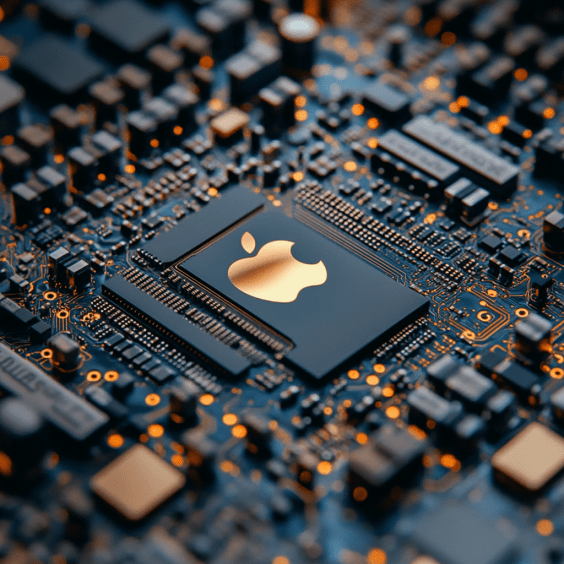
As the world of generative AI expands at an unprecedented rate, Apple is strategically positioning itself to lead the charge with its innovative technologies. At the forefront of this effort is a groundbreaking AI chip codenamed ‘Baltra’, which is expected to redefine performance and efficiency in Apple Intelligence servers. Leveraging cutting-edge manufacturing processes and strategic collaborations, this development signals Apple’s unrelenting push into the AI space.
Baltra to Harness TSMC’s 3nm ‘N3P’ Process
The upcoming Baltra chip is rumored to utilize TSMC’s 3nm ‘N3P’ process, the same advanced technology projected to power the A19 and A19 Pro chips for the iPhone 17 series. This state-of-the-art manufacturing process promises unmatched efficiency and performance, allowing Apple to maintain its reputation for cutting-edge innovation.
Unlike conventional chips, Baltra is expected to feature a chiplet-based design, where multiple chiplets, each specialized for specific tasks, are integrated into a cohesive unit. This modular approach offers several advantages, such as reducing manufacturing complexities and maintaining cost-effectiveness. Additionally, it enables Apple to maintain the confidentiality of its designs, even from partners like Broadcom, who are said to play a pivotal role in the project.
The Role of Broadcom in Baltra’s Development
Broadcom’s involvement in the Baltra project could center around chiplet communication technology, ensuring seamless data exchange between the various components. This collaboration highlights Apple’s reliance on industry leaders to accelerate its technological advancements. Broadcom’s expertise is expected to enhance the functionality of Apple Intelligence servers, particularly in handling high-demand generative AI applications.
Transition to M4 Ultra and Beyond
Apple Intelligence servers, currently powered by the M2 Ultra chip, are expected to transition to the M4 Ultra chip in the near future. However, the introduction of Baltra marks a significant step forward, signaling Apple’s commitment to developing specialized hardware for its AI ambitions. These advancements are critical as Apple seeks to meet the growing demands for AI-powered cloud services and real-time data processing.
Foxconn and Lenovo’s Role in Server Production
To support its AI infrastructure, Apple has reportedly enlisted Foxconn to manufacture its Intelligence servers. Foxconn’s efforts are bolstered by support from Lenovo and its subsidiary, showcasing a collaborative approach to scaling Apple’s server capabilities. This strategic partnership ensures that Apple’s hardware not only meets but exceeds the rigorous demands of AI-driven workloads.
Boosting Cloud Capabilities with Baltra
A report from The Information, as noted by AppleInsider, sheds light on Baltra’s potential to enhance Apple Intelligence servers. By enabling more advanced cloud-based features, the new chip could significantly improve the training and deployment of Apple’s Large Language Models (LLMs). While these LLMs currently rely on Amazon’s custom chips, Baltra aims to reduce this dependency by delivering a proprietary solution tailored to Apple’s specific needs.
Baltra’s Expected Launch in 2026
Slated for release in 2026, Baltra is positioned to revolutionize how Apple handles AI-driven workloads. The chip’s advanced design, coupled with Broadcom’s contributions, could enable Apple to address the surging demand for AI services effectively. From enhancing the capabilities of cloud-based applications to improving the efficiency of server operations, Baltra represents a crucial milestone in Apple’s AI roadmap.
Conclusion: Pioneering the Future of AI Hardware
Apple’s Baltra chip embodies the company’s dedication to innovation and excellence. By leveraging TSMC’s advanced manufacturing processes, collaborating with Broadcom, and enlisting industry leaders like Foxconn and Lenovo, Apple is building a robust foundation for its generative AI initiatives. As the tech giant continues to push boundaries, Baltra is poised to play a pivotal role in shaping the future of AI and cloud computing.
Google’s Gemini 2: Redefining the Future of AI Assistance

Google has taken a monumental step in artificial intelligence with the announcement of Gemini 2, an advanced AI model designed to revolutionize digital assistance. This cutting-edge technology aims to bridge the gap between simple task automation and a comprehensive virtual helper, capable of understanding and interacting with the world much like a human.
A Leap Towards General Intelligence
Gemini 2 is the latest advancement from Google DeepMind, introduced as a milestone on the journey toward achieving artificial general intelligence (AGI). The model’s capabilities go beyond traditional AI, offering refined multimodal abilities that process video, audio, and text seamlessly. It can also plan and execute tasks on computers, bringing the dream of a universal digital assistant closer to reality.
Demis Hassabis, CEO of Google DeepMind, shared his long-held vision: “A universal digital assistant is a stepping stone toward AGI. Gemini 2 embodies the intelligence and agentic capabilities necessary to navigate both virtual and physical environments.”
Gemini 2: Smarter AI Agents for Real-World Tasks
Google CEO Sundar Pichai emphasized the potential of agentic AI models, stating, “These models can think multiple steps ahead, understand their surroundings, and act on your behalf under supervision.” This transformative approach aims to create AI agents capable of handling complex and open-ended tasks.
To showcase this, Google unveiled two specialized agents: one for coding and another for data science. These agents go beyond current tools by performing intricate operations such as managing repositories and conducting advanced data analyses. This marks a shift from basic automation to sophisticated task execution.
Introducing Project Mariner: Revolutionizing Web Navigation
Google also revealed Project Mariner, an experimental Chrome extension designed to enhance web navigation. Demonstrated as a virtual butler, the agent assisted with meal planning by accessing a supermarket website, logging into an account, and selecting groceries. Impressively, it chose suitable replacements when items were unavailable, showcasing its contextual understanding.
While Mariner is still a prototype, Hassabis hinted at its potential: “This is our exploration into reimagining the user interface with AI.”
Catching Up in the AI Race
The launch of Gemini 2 underscores Google’s commitment to reclaiming its leadership in AI. Following OpenAI’s success with ChatGPT, Google responded by integrating Gemini models into its ecosystem, from enhancing search capabilities to introducing generative AI tools.
Gemini’s initial release in December 2023 introduced advanced audio and video comprehension, which Hassabis described as transformative. With Gemini 2, Google has taken these capabilities further, enabling AI to make sense of its physical surroundings through projects like Astra.
Astra: An Intelligent Lens into the Physical World
Astra, an experimental feature of Gemini 2, demonstrates the model’s ability to perceive and interact with the physical environment. By using a smartphone camera, Astra can analyze objects, provide detailed insights, and even remember user preferences. For instance, during a demo, Astra identified wine bottles, offering geographical origins, taste profiles, and pricing.
Hassabis envisions Astra as the ultimate recommendation system, connecting diverse user interests. “Imagine discovering links between the books you love and the food you enjoy,” he remarked.
Privacy, Security, and the Road Ahead
While the potential for AI agents is vast, Hassabis stressed the importance of addressing privacy and security concerns. Astra’s ability to remember user interactions raises questions about data usage, though Google assures users can delete stored information.
Moreover, Gemini 2 demonstrated resilience during real-world tests, adapting to interruptions and providing logical, humanlike responses. For instance, when asked about a stolen phone, the AI advocated ethical behavior while improvising appropriately for emergencies.
The Business Opportunities of AI Assistance
Google sees significant commercial potential in AI-powered systems like Astra. By integrating advertising and recommendation features, businesses could leverage AI to reach users more effectively. However, maintaining ethical standards will be crucial to gaining consumer trust.
A New Era of Digital Assistance
Despite its challenges, Gemini 2 represents a pivotal moment in AI development. By merging advanced intelligence with practical usability, Google aims to redefine personal computing. From booking flights to analyzing documents, Gemini 2 has the potential to become an indispensable part of daily life.
As technology progresses, Google’s vision of universal digital assistance is becoming a reality, paving the way for smarter, more capable AI systems.
Crypto
Grayscale Expands Its Suite of Crypto Investment Products

Grayscale, the world’s leading crypto asset manager, continues to broaden its offerings for qualified investors by introducing new funds and exploring additional assets. With over $35 billion in assets under management as of December 11, the firm remains at the forefront of cryptocurrency investments, solidifying its reputation with innovative products and strategic expansions.
Introduction of Aave Governance Token Fund
In October, Grayscale launched a dedicated investment fund for Aave’s governance token, AAVE. This move reflects the growing demand for DeFi-related assets and underscores Grayscale’s commitment to diversifying its single-asset crypto investment products. Aave’s protocol has gained significant traction, making its governance token an appealing option for institutional investors seeking exposure to decentralized finance.
Exploring a Wider Range of Crypto Assets
Grayscale has also expanded the list of assets under consideration for future investment products, adding 35 altcoins. Notable additions include:
- Dogecoin (DOGE): A meme-based cryptocurrency with a large community and increasing utility.
- Worldcoin (WLD): A unique digital identity and financial network project.
- Pyth (PYTH): A specialized oracle network catering to financial market data.
- Rune (RUNE): The native token of the THORChain protocol, known for its cross-chain liquidity solutions.
These additions signal Grayscale’s intent to explore opportunities across various segments of the cryptocurrency market, from meme coins to utility-driven projects.
Launch of Protocol-Specific Trusts
Earlier in August, Grayscale introduced three new trusts focusing on the native tokens of Sky (formerly MakerDAO), Bittensor, and Sui. These protocol-specific trusts align with the company’s strategy of targeting projects with strong ecosystems and innovative use cases. By offering direct exposure to these tokens, Grayscale provides investors with a more nuanced approach to participating in the crypto economy.
Leadership in Bitcoin and Ethereum Funds
Grayscale remains best known for its flagship products, including the Grayscale Bitcoin Trust (GBTC) and Grayscale Ethereum Trust (ETHE). These exchange-traded funds have become industry benchmarks, offering institutional and retail investors a regulated and accessible way to invest in Bitcoin and Ethereum.
Progress Toward Crypto ETFs
United States regulators are currently reviewing Grayscale’s proposal to convert its Digital Large Cap Fund (GDLC) into an exchange-traded fund (ETF). The GDLC fund holds a diversified portfolio of cryptocurrencies, making it an attractive option for those seeking broader market exposure. Approval of this ETF would mark a significant milestone for the crypto industry, potentially driving greater adoption and legitimacy.
Why Grayscale’s Expansion Matters
Grayscale’s ongoing innovation and expansion are pivotal for the cryptocurrency market. By introducing new funds and exploring a diverse range of assets, the company is paving the way for greater institutional participation. Its efforts to launch ETFs and create access to emerging tokens demonstrate a forward-thinking approach, catering to both traditional investors and crypto enthusiasts.
As the largest crypto fund manager globally, Grayscale continues to set the standard for cryptocurrency investment products. From its pioneering Bitcoin and Ethereum trusts to its foray into DeFi and altcoins, the company’s expansive suite of offerings reflects its mission to provide investors with cutting-edge opportunities in the digital asset space. With regulatory developments on the horizon, Grayscale’s influence on the crypto industry is poised to grow even further.
Global Cryptocurrency Adoption Trends in 2024: Emerging Markets Lead the Way

Cryptocurrency ownership is steadily rising worldwide, despite persistent challenges such as market volatility and fraudulent activities. A recent survey by Consensys sheds light on global crypto adoption trends, regional preferences, and demographic insights, revealing a dynamic and evolving digital finance landscape.
Crypto Ownership on the Rise Across the Globe
The 2024 Consensys Perception Survey highlights significant growth in cryptocurrency adoption in various regions. Emerging markets are taking the lead, showcasing a robust appetite for digital assets. Key findings include:
- Mexico witnessed an impressive 8% increase in crypto ownership.
- The Philippines and South Africa recorded 7% growth.
- Germany and Japan showed more modest increases of 5% and 4%, respectively.
In emerging economies, crypto wallets are becoming a financial staple. Notably, Nigeria leads with 84% of respondents reporting wallet ownership, followed by South Africa (66%), Vietnam (60%), the Philippines (54%), and India (50%). Turkey and the United States also stand out, with 44% and 43% of respondents indicating ownership of a crypto wallet. These numbers highlight the growing appeal of cryptocurrencies as a tool for financial inclusion and investment, particularly in developing nations.
Diverging Trends in Cryptocurrency Investment Intentions
While crypto ownership is expanding, regional differences in investment intentions are stark. The survey reveals a higher willingness to invest in crypto assets in Asia and Africa, with many respondents planning to enter the market within the next 12 months.
In contrast, respondents from Europe, Canada, South Korea, and Japan show more reluctance, with the majority indicating they are unlikely to invest in cryptocurrencies soon. Turkey, the United States, and Latin American countries represent a middle ground, where moderate investment intentions prevail.
Blockchain’s Dual Identity: Innovation vs. Scams
The perception of blockchain technology and cryptocurrencies varies significantly across regions. Many see blockchain as a driver of innovation and the future of money. However, negative stereotypes remain prevalent, particularly in European nations.
For instance:
- Respondents in France, Germany, and Italy often associate cryptocurrencies with speculation rather than tangible utility.
- Concerns about scams and phishing are prominent in France, the UK, and Italy.
In the United States, perceptions are more mixed. While 29% of respondents view cryptocurrencies as an alternative to traditional financial systems, 34% associate the industry with scams and fraudulent activities. These contrasting views underscore the need for education and transparency to build trust in the sector.
Demographic Insights: Age and Gender Disparities in Crypto Knowledge
The survey also highlights notable demographic gaps in cryptocurrency understanding:
- Men aged 25-44 exhibit the highest levels of comprehension and familiarity with crypto technology.
- Women and individuals aged 45 and older generally show less awareness and understanding of digital assets.
These trends persist across most countries surveyed, reflecting year-over-year consistency in demographic divides. Bridging this gap through targeted education and outreach could help foster broader adoption and inclusivity.
Survey Scope and Methodology
The Consensys survey provides a comprehensive snapshot of global cryptocurrency trends. Between February and May 2024, 18,652 respondents aged 18 to 65 from 18 countries participated, including Argentina, Brazil, Canada, France, Germany, India, Indonesia, Italy, Japan, Mexico, Nigeria, South Africa, South Korea, Turkey, the Philippines, the UK, the US, and Vietnam.
Opportunities and Challenges for the Crypto Industry
The growing adoption of cryptocurrencies, particularly in emerging markets, signifies a major opportunity for the industry to expand its reach. However, the challenges of volatility, security risks, and misinformation remain significant barriers, particularly in more developed nations.
To address these issues, stakeholders in the cryptocurrency ecosystem must prioritize:
- Improved Security: Strengthening safeguards against scams and phishing attacks.
- Regulatory Clarity: Collaborating with governments to establish clear, supportive policies.
- Public Education: Promoting crypto literacy to dispel myths and highlight its potential benefits.
The Path Forward for Global Crypto Adoption
The 2024 Consensys Perception Survey paints a complex but promising picture of global cryptocurrency adoption. As emerging markets drive growth and innovation, addressing skepticism in developed nations and bridging demographic gaps will be crucial for the industry’s continued evolution. With strategic efforts to enhance security, transparency, and education, the potential for cryptocurrencies to reshape the global financial landscape remains immense.
BlackRock’s iShares Bitcoin Trust ETF: A Record-Breaking Success with Cautious Optimism

The iShares Bitcoin Trust ETF by BlackRock has emerged as a groundbreaking phenomenon in the financial world, amassing an impressive $53.8 billion in managed assets. As the largest asset manager globally, BlackRock’s venture into cryptocurrency ETFs has generated significant buzz and set new records. However, despite this resounding success, the financial giant maintains a conservative stance on Bitcoin investments, advising caution for investors eager to dive into the crypto market.
BlackRock’s Conservative Approach to Bitcoin Investments
While acknowledging Bitcoin’s potential, BlackRock recommends limiting Bitcoin exposure to a mere 1-2% of an investor’s portfolio. In a recent report, the Wall Street titan compared investing in Bitcoin to putting money into leading tech stocks—potentially rewarding but inherently risky.
“Over its short history, Bitcoin has seen both major surges and selloffs,” the report explains. This extreme volatility, coupled with Bitcoin’s distinct features, prompts critical questions about its suitability in diversified portfolios. The report, authored by industry experts Samara Cohen, Paul Henderson, Robert Mitchnick, and Vivek Paul, highlights that as adoption increases, Bitcoin’s risk profile might diminish. However, this stability could potentially reduce its structural catalysts for significant price surges.
The Role of Bitcoin in Multi-Asset Portfolios
BlackRock’s analysis is aimed at investors looking to incorporate Bitcoin into multi-asset portfolios. It stops short of urging widespread adoption of the cryptocurrency. Instead, the company emphasizes careful consideration, citing Bitcoin’s lack of underlying cash flows and its reliance on adoption to sustain price growth.
The report suggests that Bitcoin might be best used as a hedge against potential macroeconomic risks, such as looming debt crises. Despite its allure, BlackRock underscores the asset’s speculative nature and the importance of measured exposure.
The Journey to ETF Approval
BlackRock’s foray into the Bitcoin ETF space sent ripples through global markets. The company’s initial filing to launch the iShares Bitcoin Trust with the U.S. Securities and Exchange Commission (SEC) sparked intense anticipation. In January, the SEC greenlit BlackRock’s ETF along with 10 others, paving the way for trading to commence.
Since its approval, the iShares Bitcoin Trust ETF has outshined competitors, attracting the lion’s share of investments and achieving the highest trading volumes among crypto ETFs. This overwhelming success underscores the growing appetite for institutional-grade crypto investment vehicles.
Bitcoin as a Unique Asset Class
BlackRock has consistently categorized Bitcoin as an asset class distinct from traditional investments. According to the asset manager, Bitcoin’s appeal lies in its ability to serve as a hedge against systemic financial risks. This perspective aligns with a broader trend among investors seeking alternatives to traditional financial instruments in uncertain economic times.
Adoption and Future Prospects
The report further explores how increased adoption could influence Bitcoin’s role in portfolios. While greater acceptance might stabilize its value, this evolution could diminish its speculative appeal. BlackRock notes that a balanced approach is crucial, as Bitcoin’s high risk-return profile may not suit all investors.
The Takeaway for Investors
For those looking to venture into Bitcoin through a diversified portfolio, BlackRock’s advice is clear: tread cautiously and allocate only a small percentage to the cryptocurrency. With its ETF setting new standards in the market, BlackRock continues to lead the charge in offering innovative investment opportunities while prioritizing risk management.
In summary, the iShares Bitcoin Trust ETF’s meteoric rise underscores both the growing institutional interest in cryptocurrency and the need for careful, informed investment strategies. BlackRock’s conservative yet pioneering approach serves as a valuable guide for investors navigating the complexities of Bitcoin and other digital assets.
Binance Leads Crypto Exchanges with Over $24 Billion in Inflows for 2024

The cryptocurrency exchange Binance has solidified its position as the industry leader, boasting more than $24 billion in user deposit inflows in 2024, according to data from DefiLlama. This impressive achievement underscores the platform’s dominance and the surging global interest in digital assets.
Unmatched Growth in Crypto Inflows
In a recent blog post, Binance revealed that its inflows have surpassed the combined totals of 10 other major cryptocurrency exchanges. This explosive growth can be attributed to several critical factors, including regulatory achievements, historic price milestones, and the introduction of spot Bitcoin exchange-traded funds (ETFs) in prominent global markets.
“These developments have driven millions of users to Binance, increasing its global user base to almost 250 million people,” the platform stated in a December 12 report. Such milestones reflect the growing trust and adoption of cryptocurrency trading worldwide.
Comparing Binance to Other Major Exchanges
DefiLlama data highlights Binance’s dominance in the market. The next closest competitors, Bybit and OKX, recorded inflows of $8.2 billion and $5.3 billion, respectively. Other notable platforms include BitMEX, Robinhood, and HTX, which saw net inflows of $3.45 billion, $3.17 billion, and $2.12 billion, respectively.
Conversely, some platforms faced significant outflows. Bitstamp, Bitfinex, and Crypto.com experienced respective outflows of $2.75 billion, $1.77 billion, and $358.1 million. The disparity in performance among exchanges further emphasizes Binance’s unmatched appeal to users and investors alike.
Transparency in Proof-of-Reserves
One notable trend in the cryptocurrency sector is the emphasis on wallet transparency. While Binance and several other exchanges have implemented proof-of-reserves to build user trust, some platforms, such as Coinbase and Gemini, have yet to provide this level of transparency. DefiLlama clarified that it excludes exchanges without transparent proof-of-reserves from its data.
“While they report assets held due to being a publicly listed company, they haven’t provided wallet transparency,” DefiLlama noted, explaining its omission of platforms like Coinbase. This lack of transparency may influence user confidence and trading volume on these platforms.
Centralized Exchanges Maintain Their Edge Over DEXs
Despite the cryptocurrency industry’s increasing push for decentralization, centralized exchanges (CEXs) continue to dominate the market in terms of trading volume. Many experts anticipated a shift towards decentralized exchanges (DEXs) following the collapse of FTX in late 2022. However, the numbers tell a different story.
Data from CoinGecko shows that CEXs accounted for $276 billion in trading volume in the past 24 hours, while DEXs lagged significantly with $28.5 billion. This disparity highlights the sustained preference for centralized platforms, likely due to their liquidity, ease of use, and institutional backing.
Institutional Capital Flocks to Binance
Another factor contributing to Binance’s growth is the surge in institutional capital. According to a December 3 report by CryptoQuant, the average Bitcoin deposit on Binance rose from 0.36 BTC to 1.65 BTC in 2024, signaling increased confidence among institutional investors. Similarly, USDt deposits soared from $19,600 to $230,000 during the same period.
This uptick in institutional interest reflects Binance’s ability to attract high-value clients through robust infrastructure, regulatory compliance, and innovative product offerings.
Binance Sets the Standard for Crypto Exchanges
Binance’s exceptional performance in 2024 underscores its role as a leader in the cryptocurrency space. With over $24 billion in inflows, the platform has not only outpaced its competitors but has also set new benchmarks for the industry. Its focus on transparency, regulatory compliance, and catering to institutional investors ensures its continued dominance in the evolving crypto landscape.
As the cryptocurrency market continues to expand, Binance’s achievements highlight the potential of centralized exchanges in fostering growth and adoption on a global scale.
3D Content Streaming with Mawari’s Decentralized Network

The future of digital interaction is here, blending artificial intelligence, spatial computing, and extended reality (XR) into lifelike, immersive experiences. At the forefront of this evolution is Mawari, a groundbreaking platform that enables real-time 3D content streaming by leveraging a decentralized network. Mawari’s innovative approach promises to make spatial computing scalable, cost-effective, and accessible.
The Evolution of AI and Extended Reality
Imagine interacting with AI that goes beyond text or voice, engaging with you as a lifelike entity in real-time. This futuristic concept is no longer confined to science fiction. Advances in spatial computing—where digital and physical worlds seamlessly integrate—and XR, which combines real and virtual environments, are making it a reality.
From AI-powered digital humans to immersive virtual classrooms, the applications for these technologies are limitless. The demand for such experiences is skyrocketing, with the global user base for XR technologies projected to reach 206 million by 2028. However, barriers like high bandwidth requirements, centralized infrastructure, and limited scalability hinder widespread adoption.
The solution lies in innovative approaches that break down these barriers. Decentralized physical infrastructure networks (DePIN) are emerging as the key to unlocking the full potential of the spatial internet.
How Mawari is Transforming the 3D Internet
Mawari Network is a pioneer in using DePIN for spatial computing, reshaping the way immersive 3D content is delivered. By addressing critical industry challenges, Mawari is democratizing access to interactive, AI-driven digital experiences.
Patented 3D Streaming Technology
At the core of Mawari’s success is its patented 3D streaming technology. Unlike traditional centralized systems, Mawari utilizes a decentralized network of GPU-powered nodes to process and deliver real-time content. This approach optimizes content delivery, reducing bandwidth usage by 80%, cutting costs, and ensuring high-quality streaming with minimal latency.
For users, this means seamless access to realistic 3D content, whether for entertainment, education, or business purposes. By delivering content closer to end-users, Mawari eliminates performance bottlenecks and ensures reliability, no matter the location.
Eliminating Barriers with Decentralization
Decentralization is key to Mawari’s vision. The platform dynamically optimizes performance based on user needs and geographic location, eliminating inconsistencies found in traditional systems. Through its Guardian Node License Program, Mawari invites individuals and organizations to host nodes, contributing storage, bandwidth, and GPU resources while earning token-based rewards. This participatory model not only strengthens the network but empowers users to actively shape the future of immersive content delivery.
Real-World Applications and Achievements
Mawari’s decentralized network isn’t just theoretical—it’s already making waves in real-world scenarios.
Live XR Conferences and AR Art Performances
On November 22, 2024, Mawari powered a live conference in Tokyo, featuring a digital avatar engaging in real-time discussions with panelists and audiences. The futuristic XR setting showcased Mawari’s ability to deliver immersive content without geographic limitations.
In another groundbreaking project, Mawari enabled a live AR art performance, allowing global audiences to experience the event in real time. This achievement redefined cultural interactions, proving that decentralized networks can break down geographic barriers and create shared experiences.
Scalability in Augmented Reality
Mawari has also demonstrated the scalability of its infrastructure by bringing the world’s first AI-powered digital human into augmented reality (AR). This achievement highlights the platform’s potential to revolutionize industries, from gaming to education to enterprise solutions.
Building the Foundation for Tomorrow’s Spatial Internet
Mawari’s vision goes beyond solving current challenges. Its decentralized architecture and cutting-edge technologies aim to build the foundation for the spatial internet of the future. By collaborating with industry leaders like KDDI, Niantic, and Magic Leap, Mawari has deployed over 50 XR projects worldwide since its founding in 2017.
Backed by $10.8 million in strategic funding from Anfield LTD, Borderless Capital, and 1kx, Mawari continues to push the boundaries of what’s possible in spatial computing. Its ability to seamlessly integrate immersive digital experiences into daily life paves the way for innovation, collaboration, and global connectivity.
The Future of Immersive Experiences
As the digital landscape evolves, Mawari stands as a trailblazer in making extended reality and spatial computing more accessible and scalable. By overcoming technical and financial barriers, Mawari is opening doors to a future where immersive digital experiences become an integral part of our lives.
From enabling AI-driven interactions to powering virtual classrooms and global cultural events, Mawari is redefining how we engage with technology. Its decentralized approach not only enhances reliability and performance but also empowers users to participate in shaping the next chapter of the internet.
The spatial internet is no longer a distant dream—it’s here, powered by innovations like Mawari’s decentralized network. The possibilities are limitless, and the journey is just beginning.
HyperLiquid Breaks Records: Ether (ETH) Surges Ahead of Bitcoin (BTC) on On-Chain Perpetuals

As Bitcoin (BTC) continues to dominate headlines, HyperLiquid, a cutting-edge on-chain perpetuals trading protocol, is carving its own path to success. Built on a custom layer-1 blockchain, HyperLiquid is achieving remarkable milestones, with Ether (ETH) stealing the spotlight as the leading cryptocurrency on the platform. This trend highlights the evolving dynamics of the crypto trading landscape.
HyperLiquid Hits $500 Billion in Perpetuals Volume
HyperLiquid’s cumulative perpetuals trading volume has skyrocketed, surpassing an impressive $500 billion. This marks a 15-fold increase year-to-date, as reported by DeFiLlama. Over the past week, the platform has maintained an average daily trading volume of over $5 billion, capturing more than 45% of the total on-chain perpetuals market activity in the last 24 hours.
Notably, Ether has emerged as the dominant asset on the platform. Since the start of the week, Ether perpetuals trading volumes have reached $7 billion, significantly outpacing Bitcoin’s $5.94 billion. This 18% lead underscores Ether’s growing prominence in the on-chain trading space, according to stats.hyperliquid.xyz.
Ether Takes the Lead in Open Interest Growth
In addition to trading volume, Ether has been at the forefront of growth in cumulative notional open interest. As of now, Ether perpetuals account for $857.5 million in active open interest, representing nearly 25% of the platform’s total $3.49 billion open interest.
This surge in Ether activity signifies “sticky capital” that could drive the next bullish phase for the second-largest cryptocurrency by market value. Currently trading at $3,900, Ether boasts an impressive 70% year-to-date gain, according to CoinDesk data.
HyperLiquid’s Success: Purpose-Driven Innovation
HyperLiquid’s remarkable growth stems from its tailored approach to serving the market. Unlike general-purpose blockchains, HyperLiquid is a purpose-specific protocol optimized for perpetuals trading. Observers attribute its success to this strategic focus.
“HyperLiquid’s success lies in achieving product-market fit, combining institutional-grade performance with DeFi accessibility. Features like no KYC requirements and competitive incentives for active traders align perfectly with user demands, setting a new benchmark for crypto platforms,” noted algorithmic trading firm Wintermute in a report shared with CoinDesk.
This innovative blend of performance and accessibility positions HyperLiquid as a leader in the decentralized finance (DeFi) space.
HYPE Token: A Rising Star Outpacing Established Players
HyperLiquid’s native token, HYPE, has quickly become a sensation. Just two weeks after its launch, HYPE has surged over 300%, reaching a market valuation of $5.69 billion. This meteoric rise has propelled it past prominent DeFi players, including Ethereum’s lending protocol Aave and Solana-based decentralized exchanges like Raydium and Jupiter, as per CoinGecko.
The robust demand for HYPE, despite potential sell pressure from its recent airdrop, reflects strong investor confidence. Wintermute highlighted this in their analysis: “The sustained demand for HYPE has consistently outpaced supply, signaling solid market confidence and enthusiasm.”
Airdrop Success: Setting New Records
On November 29, HyperLiquid conducted a record-breaking airdrop, distributing 31% of HYPE’s nearly 1 billion supply to users who earned points through trading activities. Valued at $1.9 billion, the airdrop exceeded the $1.5 billion valuation of Arbitrum’s layer-2 solution.
HYPE’s utility extends beyond trading—it functions as a staking asset for securing HyperLiquid’s HyperBFT consensus mechanism and as a gas token for facilitating transactions and smart contract executions.
HyperLiquid’s Future: Setting Standards for On-Chain Perpetuals
HyperLiquid’s groundbreaking achievements underscore its potential to redefine the on-chain trading space. By prioritizing performance, accessibility, and user incentives, it has positioned itself as a formidable competitor in the DeFi sector. As Ether continues to drive activity on the platform, HyperLiquid may pave the way for future innovations in cryptocurrency trading.
With its impressive milestones and the rise of the HYPE token, HyperLiquid is poised to lead the next phase of growth in decentralized finance.
The Broader Impact of HyperLiquid on DeFi
HyperLiquid’s meteoric rise isn’t just about trading volumes or token valuation; it’s a significant shift in how decentralized finance operates. By creating a protocol tailored to perpetuals trading and focusing on user-centric incentives, HyperLiquid is raising the bar for other DeFi projects.
Its hybrid model, combining institutional-grade performance with decentralized finance accessibility, demonstrates the potential of DeFi to cater to both retail and institutional users. This dual approach could encourage more traditional financial players to explore the decentralized ecosystem, driving adoption and liquidity in the broader market.
Additionally, the platform’s focus on Ether perpetuals over Bitcoin highlights a shifting narrative in the crypto landscape. While Bitcoin has traditionally been the flagship cryptocurrency, Ether’s increasing dominance—both in market activity and utility—signals a diversification of investor interest.
Challenges and Opportunities Ahead
While HyperLiquid has achieved extraordinary success in a short period, it also faces challenges common to rapidly growing platforms. Scalability, security, and maintaining user trust will be critical as the platform continues to attract more users and capital.
Another potential hurdle is the competition from other layer-1 and layer-2 solutions that are also vying for market share in the DeFi space. Projects like Arbitrum, Optimism, and zkSync are innovating rapidly, offering lower fees, faster transactions, and unique features. HyperLiquid must continuously evolve to stay ahead of the curve.
However, its early success, innovative design, and ability to attract substantial liquidity and user engagement place it in a strong position. If it can maintain its momentum and address scalability concerns, HyperLiquid could establish itself as a cornerstone of the on-chain trading ecosystem.
The Role of HYPE in HyperLiquid’s Ecosystem
The HYPE token plays a pivotal role in sustaining HyperLiquid’s growth. Its utility as both a staking asset and a gas token ensures it remains integral to the platform’s operations. The staking mechanism not only secures the HyperBFT consensus but also incentivizes long-term holding, reducing sell pressure and promoting stability in the token’s value.
Moreover, the use of HYPE for transaction fees and smart contract executions adds intrinsic demand for the token. As HyperLiquid continues to grow and onboard more users, the demand for HYPE is likely to increase, potentially leading to further price appreciation.
The success of HYPE also reflects a broader trend in DeFi: the importance of utility tokens that serve multiple roles within an ecosystem. This multi-faceted approach to tokenomics ensures that HYPE is not just a speculative asset but a functional component of the HyperLiquid platform.
HyperLiquid and the Future of On-Chain Trading
HyperLiquid’s achievements signal a promising future for on-chain trading protocols. By addressing the needs of traders with advanced features, user-friendly designs, and substantial incentives, it is redefining what success looks like in the DeFi space.
The platform’s emphasis on Ether perpetuals, rather than solely focusing on Bitcoin, also reflects a more inclusive approach to the cryptocurrency market. This could encourage greater diversity in trading activity and attract a wider range of participants.
As the platform continues to grow, it has the potential to influence the development of other DeFi projects, setting new standards for performance, accessibility, and innovation. If HyperLiquid can sustain its growth trajectory, it could become a blueprint for future decentralized trading protocols.
HyperLiquid’s Trailblazing Journey
HyperLiquid’s rapid rise and record-breaking achievements demonstrate the power of purpose-driven innovation in the DeFi sector. By focusing on perpetuals trading and prioritizing user needs, it has created a platform that stands out in a crowded market.
From its impressive trading volumes to the soaring value of its native HYPE token, HyperLiquid is proving that the right mix of technology, incentives, and vision can lead to unparalleled success. As it continues to evolve, HyperLiquid is not just setting records—it’s setting the stage for the next wave of decentralized finance innovation.
With Ether leading the charge and HYPE providing robust ecosystem support, HyperLiquid’s journey is one to watch closely. The platform is not just riding the wave of DeFi—it’s shaping the tide.
 Powerbuilding Digital