
Fitness / Motivation / Technology & A.I / Crypto

Welcome to Powerbuilding Digital Newsletter 80: Break Limits, Build Strength, Own the Future
Welcome to Edition 80 of the Powerbuilding Digital Newsletter! We’ve hit another milestone, and this edition is packed with powerful insights to fuel your growth. Whether you’re optimizing your fitness, sharpening your mindset, leveraging cutting-edge tech, or navigating the ever-evolving world of crypto, we’re here to keep you ahead of the game. Let’s dive in and push beyond limits!
Upgrade Your Fitness Strategy
Tired of the same routine? It’s time to shake things up. This issue delivers innovative training techniques, recovery hacks, and performance tips to help you break plateaus and reach new heights. No matter your fitness goals, these strategies will keep you strong, focused, and continuously improving.
Build an Unstoppable Mindset
Success starts with the right mindset. In Edition 80, we explore proven techniques to enhance discipline, build resilience, and maintain motivation even when challenges arise. Learn how to rewire your habits, stay laser-focused, and turn obstacles into stepping stones toward greatness.
Tech Disruptions You Need to Know
AI and emerging technologies are revolutionizing the world—are you keeping up? This edition breaks down the latest advancements in AI, automation, and digital tools that can enhance productivity, streamline your routines, and give you a competitive edge in business and life.
Crypto Insights: Smart Strategies for a Changing Market
The crypto space never stops evolving, and staying informed is your best strategy. In this issue, we analyze Bitcoin’s market trends, DeFi innovations, and blockchain developments shaping the financial landscape. Whether you’re a seasoned investor or just getting started, these insights will help you navigate with confidence.
Step Up and Take Control
At Powerbuilding Digital, we’re committed to helping you level up—physically, mentally, and digitally. Edition 80 is your blueprint for taking control of your progress, embracing challenges, and pushing toward new achievements. It’s time to break barriers, seize opportunities, and own your future.
Fitness
Smart Strategies for Fitness Gains

Maximizing Your Fitness Potential
Achieving optimal fitness gains requires a combination of intelligent training, proper nutrition, and strategic recovery. Whether you’re a beginner or an experienced athlete, adopting smart fitness strategies can accelerate progress, prevent plateaus, and enhance overall well-being. In this article, we’ll explore the most effective scientific-backed fitness techniques to help you build muscle, burn fat, and improve performance.
1. Strength Training Strategies for Maximum Muscle Growth
Progressive Overload: The Key to Strength and Size
To gain strength and muscle, your body must be continuously challenged. Progressive overload involves gradually increasing resistance over time, forcing muscles to adapt and grow. The best ways to implement this strategy include:
- Increasing weight by 2-5% every 1-2 weeks
- Adding more reps or sets
- Reducing rest time between sets for endurance gains
- Varying exercises to engage different muscle fibers
Compound vs. Isolation Exercises: Finding the Right Balance
Compound movements (e.g., squats, deadlifts, bench press, pull-ups) recruit multiple muscle groups and maximize efficiency. However, isolation exercises (e.g., bicep curls, leg extensions) help target specific weaknesses. A balanced training program should prioritize compound lifts while integrating isolation exercises to refine muscle definition.
Training Frequency: How Often Should You Work Out?
Training frequency depends on goals, experience level, and recovery capacity. Common approaches include:
- Full-body workouts (3x per week) – Ideal for beginners and busy individuals
- Upper/Lower Split (4x per week) – Balances volume and recovery
- Push/Pull/Legs (5-6x per week) – Best for experienced lifters seeking higher volume
2. Nutrition Hacks for Faster Fitness Gains
Prioritizing Protein for Muscle Repair and Growth
Protein is essential for muscle recovery and growth. Aim for 1.6-2.2 grams per kg of body weight daily. High-quality protein sources include:
- Lean meats (chicken, turkey, beef)
- Fish (salmon, tuna)
- Eggs and dairy products
- Plant-based sources (tofu, lentils, quinoa)
Carbs and Fats: Essential for Energy and Hormonal Health
Carbs are crucial for fueling workouts, while healthy fats support hormonal balance.
- Pre-workout carbs (oats, bananas, whole grains) enhance energy levels
- Post-workout carbs (sweet potatoes, rice) replenish glycogen
- Healthy fats (avocados, nuts, olive oil) aid recovery and support testosterone production
Hydration and Electrolyte Balance
Dehydration impairs performance and slows recovery. Drink at least 2-3 liters of water daily, increasing intake based on activity level. Electrolytes (sodium, potassium, magnesium) should be replenished after intense workouts.
3. Recovery and Optimization: The Missing Piece in Fitness Gains
Sleep: The Ultimate Recovery Tool
Lack of quality sleep can hinder muscle repair, lower testosterone levels, and increase stress hormones. Prioritize:
- 7-9 hours of uninterrupted sleep
- A consistent sleep schedule
- Minimizing screen exposure before bedtime
Active Recovery and Mobility Work
Proper recovery isn’t just about rest days—active recovery keeps the body functional and injury-free. Incorporate:
- Foam rolling and dynamic stretching
- Yoga or mobility drills
- Low-intensity activities (walking, swimming)
The Role of Supplements in Fitness Progress
While real food should always come first, supplements can enhance recovery and performance. The most effective options include:
- Whey or plant-based protein for convenience
- Creatine monohydrate for strength and endurance
- Omega-3 fatty acids for reducing inflammation
- Vitamin D and magnesium for muscle function and immunity
4. Fat Loss Strategies Without Sacrificing Muscle
Caloric Deficit: The Foundation of Fat Loss
To lose fat while preserving muscle, maintain a moderate caloric deficit (300-500 calories below maintenance). Too large a deficit can lead to muscle loss and fatigue.
High-Intensity Interval Training (HIIT) vs. Steady-State Cardio
Both HIIT and steady-state cardio are effective, but each has its benefits:
- HIIT (short, intense bursts) – Efficient for fat loss, preserves muscle, and boosts metabolism
- Steady-state (low-moderate intensity, longer duration) – Improves endurance and aids recovery
Strength Training for Fat Loss
Resistance training preserves muscle mass and enhances fat-burning. A well-structured program should:
- Include strength training 3-5x per week
- Focus on compound movements
- Incorporate supersets and circuits to increase calorie burn
5. Mindset and Consistency: The Ultimate Fitness Multiplier
Goal Setting and Tracking Progress
Clear, measurable goals drive consistency and motivation. Effective strategies include:
- Setting SMART goals (Specific, Measurable, Achievable, Relevant, Time-bound)
- Tracking workouts, nutrition, and body composition
- Adjusting strategies based on progress
Overcoming Plateaus and Staying Motivated
Hitting a plateau is normal, but breaking through requires adjustments:
- Increase training intensity or volume
- Change exercise selection
- Modify macros or caloric intake
The Importance of Mental Resilience
Success in fitness is as much mental as it is physical. Developing a strong mindset involves:
- Embracing discipline over motivation
- Practicing self-compassion on difficult days
- Surrounding yourself with a supportive fitness community
Take Action and Elevate Your Fitness Journey
Implementing these smart fitness strategies will help you build muscle, lose fat, and enhance overall performance efficiently. Consistency, proper training, and balanced nutrition are key to long-term success. Take action today and start optimizing your fitness journey!
Motivation
Motivation for Creatives: 10 Ways to Sustain Inspiration in Artistic Endeavors

Staying motivated in creative work isn’t always easy. Whether you’re a writer, painter, designer, or musician, inspiration can ebb and flow. The key is learning how to sustain motivation over the long term, avoiding burnout, and continuously fueling your passion. In this article, we’ll explore 10 proven ways to stay inspired, drawing insights from psychology, creativity research, and real-life success stories.
The Psychology of Creativity and Motivation
Creativity and motivation go hand in hand. Understanding the psychological mechanisms behind them can help you maintain a steady drive.
- Intrinsic vs. Extrinsic Motivation: Intrinsic motivation comes from within—personal satisfaction, joy, and curiosity. Extrinsic motivation, on the other hand, includes external rewards like recognition, money, or social approval.
- The Neuroscience of Creativity: Studies show that dopamine, the brain’s reward chemical, plays a key role in creative thinking. The more you engage in creative activities, the more your brain strengthens these neural pathways.
By leveraging these principles, you can train your brain to stay in a creative mindset more consistently.
1. Establishing a Creative Routine
Creativity flourishes with consistency. A routine helps your brain recognize when it’s time to create.
How to Build a Creative Routine:
- Set a specific time each day for creative work.
- Start with small rituals like stretching, listening to music, or free-writing.
- Reduce distractions and set clear boundaries for focused work.
Famous creatives like Maya Angelou and Haruki Murakami followed strict routines, proving that discipline fuels inspiration.
2. Setting Clear Goals and Milestones
Without direction, creative motivation can wane. Setting clear, achievable goals keeps you on track.
Tips for Goal Setting:
- Use the SMART framework (Specific, Measurable, Achievable, Relevant, Time-bound).
- Break large projects into smaller milestones.
- Reward yourself for reaching key checkpoints.
Tracking progress creates a sense of accomplishment, reinforcing motivation.
3. Overcoming Creative Blocks
Creative blocks are inevitable, but they can be overcome.
Ways to Break Through Blocks:
- Change your environment to stimulate new ideas.
- Use creative prompts or brainstorming techniques.
- Step away and engage in unrelated activities to reset your mind.
Many artists find that pushing through a block with action, rather than waiting for inspiration, leads to breakthroughs.
4. Seeking Inspiration from Various Sources
Inspiration isn’t limited to one domain—expand your sources.
Where to Find Inspiration:
- Read outside your genre or industry.
- Engage with nature, museums, or different cultures.
- Experiment with different art forms.
Great artists often draw from unexpected influences to fuel their work.
5. The Role of Community and Collaboration
Creativity thrives in a supportive environment.
Ways to Engage with a Creative Community:
- Join online or local creative groups.
- Attend workshops and networking events.
- Collaborate with others to spark new ideas.
Being around like-minded individuals can reignite passion and provide fresh perspectives.
6. Managing Stress and Avoiding Burnout
Burnout kills creativity. Managing stress is essential for sustained motivation.
Stress-Reduction Strategies:
- Practice mindfulness and meditation.
- Exercise regularly to clear mental clutter.
- Set boundaries to avoid creative exhaustion.
Taking breaks and maintaining balance ensures long-term productivity.
7. Experimenting and Embracing Failure
Failure is part of the creative process.
How to Use Failure Constructively:
- View mistakes as learning opportunities.
- Keep a “failed ideas” journal to revisit later.
- Study how successful creatives turned failures into breakthroughs.
Experimentation fosters growth, leading to unexpected innovations.
8. Using Technology to Enhance Creativity
Technology can be a tool or a distraction.
Best Tech Tools for Creativity:
- AI-powered idea generators.
- Digital sketchpads and brainstorming apps.
- Productivity software to manage creative projects.
Leverage tech wisely to boost—not hinder—creativity.
9. Continuous Learning and Skill Improvement
Learning new skills keeps your creative edge sharp.
Resources for Lifelong Learning:
- Online courses and tutorials.
- Books and podcasts from industry leaders.
- Attending workshops and creative meetups.
The more knowledge you acquire, the more tools you have to fuel your creativity.
10. Staying Motivated Through Reflection and Gratitude
Looking back at your progress keeps you motivated.
Practices to Maintain Perspective:
- Keep a journal documenting creative wins and lessons.
- Express gratitude for your creative journey.
- Review old work to see how far you’ve come.
Reflection reinforces your sense of purpose, keeping inspiration alive.
FAQs
1. How do I stay motivated when I feel uninspired?
Try switching tasks, seeking new experiences, or revisiting past work for inspiration.
2. What should I do when I hit a creative block?
Step away, engage in different activities, or use brainstorming exercises.
3. How important is community in staying motivated?
A strong creative network provides support, feedback, and fresh ideas.
4. Can technology help or hinder creativity?
It depends on usage. Tech can streamline processes, but too much screen time can be distracting.
5. How can I prevent burnout in creative work?
Balance work with rest, practice mindfulness, and set boundaries.
6. Why is failure important in creativity?
Failure is a stepping stone to innovation and improvement.
Sustaining motivation in creative work requires a mix of discipline, inspiration, and self-care. By integrating these strategies, you can keep your artistic passion alive and thriving.
Technology & A.I
Ancient Herculaneum Scroll Deciphered After Nearly 2,000 Years Using AI and 3D X-Ray Technology

Breakthrough in Unraveling a Pompeii-Era Scroll
Researchers have successfully deciphered text from an ancient scroll that was charred in the catastrophic eruption of Mount Vesuvius in AD 79. This remarkable achievement has opened a new chapter in the study of lost classical literature, utilizing cutting-edge artificial intelligence and 3D X-ray scanning.
The scroll, one of hundreds discovered in the ruins of a Roman villa in Herculaneum, was previously considered unreadable due to its fragile, carbonized state. However, technological advancements have now enabled scholars to peer inside without physically unrolling it, revealing Greek writings that were buried for nearly two millennia.
The Herculaneum Scrolls: A Lost Treasure of Classical Knowledge
Herculaneum, a wealthy Roman town located on Italy’s west coast, was devastated alongside Pompeii when Mount Vesuvius erupted, burying the city in volcanic ash and preserving countless artifacts in a frozen state of time. Among these discoveries was a vast library of scrolls housed in a luxurious villa, believed to have belonged to Julius Caesar’s father-in-law.
For centuries, these papyri remained inaccessible due to their charred and delicate condition. Attempts to physically open them resulted in crumbling, making them impossible to study—until now.
Digital Unrolling: How AI and 3D X-Ray Imaging Resurrect Ancient Texts
One of the scrolls, identified as PHerc. 172, is housed in Oxford’s Bodleian Library. Using advanced 3D X-ray imaging and AI-driven software, researchers successfully reconstructed multiple columns of text. Among the newly deciphered words, the Greek term διατροπή (meaning “disgust”) appeared twice, marking a significant milestone in the digital unwrapping process.
Dr. Brent Seales, co-founder of the Vesuvius Challenge, expressed excitement over the findings:
“This scroll contains more recoverable text than we have ever seen in a scanned Herculaneum scroll.”
The Vesuvius Challenge, a global competition aimed at decoding these ancient writings, has played a key role in accelerating breakthroughs in digital archaeology.
AI-Powered Decoding: A $700,000 Prize-Winning Innovation
Last year, a team of three students—Youssef Nader from Germany, Luke Farritor from the U.S., and Julian Schilliger from Switzerland—achieved a major breakthrough, winning the $700,000 grand prize from the Vesuvius Challenge. They successfully read over 2,000 Greek letters from another Herculaneum scroll using AI-enhanced imaging techniques.
Their method involved training computer algorithms to detect ink traces on the papyrus fibers. By virtually unrolling the scrolls using 3D X-rays, they were able to extract readable text from documents too fragile to handle physically.
Philosophy, Pleasure, and the Contents of the Ancient Text
One of the deciphered scrolls is believed to be a work by Philodemus, an Epicurean philosopher. His writings discuss the nature of pleasure, including the sensory experiences derived from music, food, and abundance versus scarcity. These insights offer a rare glimpse into the intellectual debates of ancient Rome.
Meanwhile, the newly scanned Oxford scroll shows distinct properties. The ink appears denser and more visible in X-rays compared to other papyri, suggesting it may have been composed with a different formula.
A Historic Collaboration: Librarians, Scientists, and AI Experts Unite
The Bodleian Library received the Oxford scroll in the 19th century as a donation from Ferdinand IV, King of Naples and Sicily. Today, a coalition of historians, librarians, and computer scientists is working together to bring lost classical knowledge back to life.
Richard Ovenden, head of the Bodleian Library, emphasized the significance of this discovery:
“It’s an incredible moment in history as librarians, computer scientists, and classical scholars collaborate to see the unseen. The astonishing strides forward made with imaging and AI are enabling us to look inside scrolls that have not been read for almost 2,000 years.”
The Future of Digital Archaeology and Ancient Literature
The success of AI-driven text recovery from the Herculaneum scrolls is just the beginning. As machine learning and 3D imaging technologies continue to evolve, researchers hope to unlock even more lost texts from antiquity.
With thousands of charred manuscripts still awaiting deciphering, these groundbreaking methods could revolutionize our understanding of ancient history, philosophy, and literature—bringing voices from the past back to life.
Google Alters AI Policy: Removes Pledge Against Weapon Development

Alphabet Modifies AI Ethics, Prioritizes National Security
Alphabet, Google’s parent company, has officially revised its artificial intelligence (AI) ethical guidelines, eliminating previous commitments to avoid technologies that could potentially cause harm, including those used in weapons and surveillance systems.
The announcement came on Tuesday, just before Alphabet revealed lower-than-expected earnings. The updated AI principles no longer include the pledge not to develop technologies that “cause or are likely to cause overall harm.” Instead, the company has shifted focus toward AI-driven advancements in national security.
Google Defends AI Policy Shift Amidst Global Competition
Demis Hassabis, head of AI at Google, defended the policy revision, emphasizing the importance of AI in protecting democratic values. In a blog post co-authored with James Manyika, Alphabet’s Senior Vice President for Technology and Society, Hassabis outlined the company’s new perspective.
“As global AI competition intensifies, we believe democracies must take the lead in AI development,” they stated. “Our goal is to ensure AI aligns with the principles of freedom, equality, and respect for human rights.”
The post further explained that AI should be developed collaboratively among companies, governments, and organizations that share these values. The ultimate objective, they argued, is to create AI that enhances security, fosters economic growth, and safeguards people.
From “Don’t Be Evil” to a More Pragmatic Approach
Google’s ethical stance on AI has evolved significantly over the years. The company’s original motto, “Don’t Be Evil,” was a guiding principle when it first went public. However, by 2009, this slogan had been reduced to a company mantra. When Alphabet was established as Google’s parent company in 2015, the phrase was no longer included in its official code of conduct.
The rapid expansion of AI has sparked an ongoing debate regarding its governance and potential risks. Many experts, including British computer scientist Stuart Russell, have raised concerns about autonomous weapon systems and called for global regulation to prevent unintended consequences.
AI’s Growing Role in Society and Business
Alphabet’s revised AI policy acknowledges the profound transformation of artificial intelligence since the company first introduced its AI principles in 2018. According to Hassabis and Manyika, AI has transitioned from a niche research topic into a powerful, widespread technology shaping industries and everyday life.
“AI is no longer confined to research labs—it is now as pervasive as smartphones and the internet,” they wrote. “Billions of people interact with AI daily, and it is being used to drive innovation across multiple sectors.”
Despite these advancements, Alphabet faces financial hurdles. The company’s latest earnings report showed revenues of $96.5 billion, slightly below Wall Street’s expected $96.67 billion due to slowing growth in Google Cloud. This division, which competes with Amazon Web Services and Microsoft Azure, has struggled to gain market share.
AI-Driven Investments and Market Reaction
In response to evolving market dynamics, Alphabet has announced plans to invest $75 billion in capital expenditures over the next year. These funds will primarily support AI infrastructure expansion and further technological advancements.
However, investors reacted negatively to the earnings report. Alphabet’s stock dropped 8% at the start of Wall Street trading, reflecting concerns over the company’s ability to maintain AI-powered momentum.
Evelyn Mitchell-Wolf, a senior analyst at eMarketer, noted that Google Cloud’s underwhelming performance raises questions about the company’s long-term AI strategy. Additionally, competitive pressure from emerging AI firms, such as DeepSeek, has cast doubt on Google’s closed-model approach.
The Future of AI Ethics and Innovation
As AI continues to shape global industries, Alphabet’s revised ethical framework signals a strategic shift toward balancing technological progress with geopolitical and economic realities. While critics argue that dropping the commitment to avoid harmful AI applications could open the door to misuse, Alphabet maintains that responsible development, guided by democratic values, remains a priority.
The debate over AI governance is far from settled. As advancements accelerate, companies, policymakers, and researchers will need to collaborate to ensure AI serves humanity’s best interests while mitigating risks associated with its widespread adoption.
Crypto
Trump Establishes Digital Asset Markets Working Group: A Game-Changer for Crypto Regulation

Trump’s Executive Order Sets the Stage for a New Crypto Advisory Council
On January 23, 2025, U.S. President Donald Trump signed an executive order creating the Working Group on Digital Asset Markets, marking a significant policy shift in the government’s stance on cryptocurrencies. This move has sparked intense interest among top crypto executives vying for a seat on the newly established advisory council.
Crypto Leaders in the Running for the Advisory Council
According to the New York Post, some of the top contenders for the Working Group include prominent figures from the cryptocurrency industry. These potential candidates boast extensive experience in digital finance and blockchain technology, positioning them as key voices in shaping future regulations.
Notable names under consideration include:
- Marco Santori, former general counsel at Kraken
- Brad Garlinghouse, co-founder of Ripple
- Frank Chaparro, podcast host and crypto analyst
- Jeremy Allaire, CEO of Circle
- Brian Armstrong, CEO of Coinbase
- Kris Marszalek, CEO of Crypto.com
While this list is not exhaustive, sources indicate that the selection process will prioritize industry expertise and a deep understanding of digital asset markets.
A Pivotal Shift in U.S. Crypto Policy
The executive order was widely welcomed by the crypto community as a major turning point in U.S. government policy on digital assets. The establishment of this advisory group signals a departure from previous regulatory uncertainty, paving the way for potential crypto-friendly reforms.
Key Directives of Trump’s Executive Order on Digital Assets
President Trump’s order outlines several key initiatives aimed at strengthening the U.S. position in the global crypto economy. These include:
1. Formation of a Strategic Digital Asset Reserve
One of the most groundbreaking provisions of the executive order is the study of a potential strategic digital asset reserve, which could include Bitcoin (BTC). If implemented, this reserve would position the U.S. as a major holder of digital assets, similar to how countries manage gold reserves.
2. Prohibition of a Central Bank Digital Currency (CBDC)
In a decisive move against centralized digital currencies, the order prohibits the development of a U.S. central bank digital currency (CBDC). This aligns with Trump’s long-standing opposition to government-controlled digital money, citing concerns over financial privacy and government overreach.
3. Inclusion of Key Government Agencies
The executive order mandates that representatives from various federal agencies participate in the Working Group on Digital Asset Markets. These agencies include:
- The Secretary of the Treasury
- The Attorney General
- The Secretary of Commerce
- The Secretary of Homeland Security
- The Director of the Office of Management and Budget
- The Chairman of the Commodity Futures Trading Commission (CFTC)
Notably, the Federal Reserve and the Federal Deposit Insurance Corporation (FDIC) were excluded from the advisory council, a decision that sparked strong reactions from industry leaders.
Exclusion of the Federal Reserve and FDIC Draws Criticism
The omission of the Federal Reserve and FDIC from the advisory group raised eyebrows within the financial sector. Crypto industry veteran and Custodia Bank founder Caitlin Long criticized their exclusion, stating:
“Both tried to kill the industry through debanking and especially targeted my company, Custodia Bank. Both belong on the outside.”
Her remarks highlight long-standing tensions between the crypto industry and traditional banking regulators, who have been accused of hindering digital asset adoption through restrictive policies.
FDIC’s Role in Crypto Regulation Comes Under Scrutiny
Shortly after the executive order was signed, the FDIC released 790 pages of internal communications related to its regulatory stance on cryptocurrency services. These documents revealed a pattern of stalling approvals for crypto firms, including numerous pause letters and requests for additional information designed to delay the regulatory process.
Despite previous regulatory hurdles, acting FDIC Chairman Travis Hill expressed a willingness to collaborate with the Working Group on Digital Asset Markets, signaling a potential shift in the agency’s approach to crypto oversight.
What This Means for the Future of Crypto in the U.S.
The establishment of the Working Group on Digital Asset Markets could mark a new era of regulatory clarity for the crypto industry. With industry leaders and government officials working together, the advisory council is expected to influence future legislation, taxation policies, and institutional adoption of digital assets.
Potential Impacts:
Increased Institutional Adoption – Clearer regulations could encourage more institutional investors to enter the crypto space.
Greater Market Stability – A well-defined regulatory framework may reduce uncertainty and volatility in digital asset markets.
Enhanced Innovation – Pro-crypto policies could drive blockchain advancements in the U.S., making it a global leader in digital finance.
A Defining Moment for Crypto Regulation
Trump’s executive order establishing the Working Group on Digital Asset Markets is a monumental shift in U.S. crypto policy. By bringing together industry pioneers and key policymakers, the initiative has the potential to reshape the future of digital assets, bolster innovation, and solidify the U.S. as a dominant force in the global crypto economy.
As the selection process for the advisory council unfolds, all eyes will be on the administration’s next moves—and how they will shape the trajectory of cryptocurrency in the United States.
MicroStrategy Rebrands to “Strategy” Amid Reports of Financial Losses

A Bold New Identity for the Largest Corporate Bitcoin Holder
MicroStrategy, the largest corporate holder of Bitcoin (BTC), has unveiled a new brand identity, shortening its name to simply “Strategy.” This move aims to refine the company’s image and broaden its appeal as it continues its aggressive Bitcoin acquisition strategy.
Michael Saylor’s Vision Behind the Rebrand
Michael Saylor, the co-founder and executive chairman of Strategy, emphasized that the name change aligns with the company’s core values and mission. He highlighted the power of the word “Strategy” in encapsulating the company’s focus and direction.
Saylor explained:
“Strategy is one of the most powerful and positive words in the human language. It also represents a simplification of our company name to its most important, strategic core.”
Quoting Antoine de Saint-Exupéry, he added:
“‘Perfection is achieved, not when there is nothing more to add, but when there is nothing left to take away.’ After 35 years, our new brand perfectly represents our pursuit of perfection.”
The new branding is expected to position Strategy as an even more influential player in the corporate Bitcoin ecosystem, reinforcing its long-term vision of BTC accumulation.
Bitcoin Holdings Continue to Grow Despite Reported Losses
The rebranding announcement came just before the company released its latest earnings report. Despite a challenging fiscal year marked by continued losses, Strategy remains committed to its Bitcoin investment strategy.
During the most recent quarter, the company made its largest BTC purchase yet, acquiring 218,887 BTC at a total cost of $20.5 billion. Even in the face of significant financial setbacks, Strategy continues to double down on Bitcoin as a cornerstone of its corporate strategy.
Shareholders Support Further Bitcoin Acquisitions
Investor confidence in Strategy’s Bitcoin-centric approach remains strong. Just two weeks ago, shareholders voted to raise additional funds to acquire more BTC, signaling unwavering commitment to the company’s long-term crypto strategy.
While financial losses pose challenges, Strategy’s aggressive stance on Bitcoin accumulation suggests a belief in the asset’s future value appreciation. The company continues to be a major institutional force in the cryptocurrency market, reinforcing Bitcoin’s role as a key treasury asset.
A Strategic Shift or Just a Name Change?
The shift from “MicroStrategy” to “Strategy” marks more than just a rebranding—it reflects the company’s ongoing commitment to Bitcoin as its core focus. Whether this strategic move will help the company navigate its financial difficulties remains to be seen, but one thing is clear: Strategy is not backing down from its position as a leading corporate Bitcoin whale.
U.S. Lawmakers Push for NFT Legal Protections in Digital Asset Bill
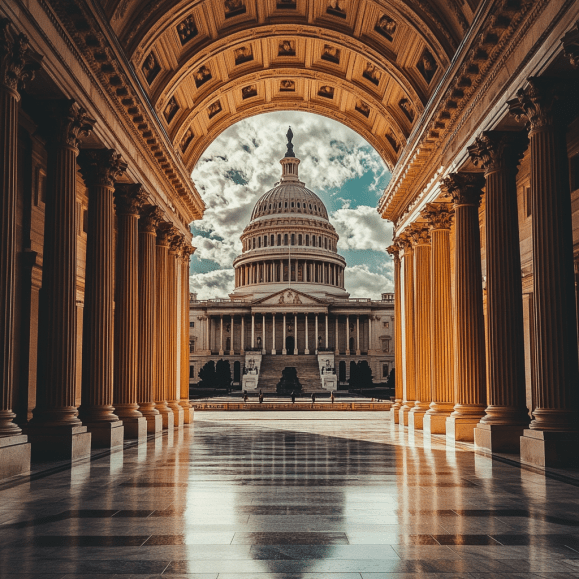
The Push for NFT Clarity in U.S. Regulations
Two U.S. congressmen are working to establish legal protections for non-fungible tokens (NFTs) by integrating them into a broader legislative framework for digital assets. This effort aims to eliminate regulatory uncertainty surrounding NFTs and ensure fair treatment under financial laws.
NFT Act and the Digital Asset Regulatory Overhaul
Rep. William Timmons (R-SC) is advocating for the inclusion of the New Frontiers in Technology (NFT) Act within an updated version of the Financial Innovation and Technology for the 21st Century Act (FIT21). Although FIT21 passed the House of Representatives last year, it has yet to secure Senate approval.
The NFT Act, introduced in December by Timmons and Rep. Ritchie Torres (D-NY), seeks to classify certain NFTs—such as digital artwork, video game assets, and membership-based tokens—as non-securities, ensuring they are not subjected to unnecessary financial regulations.
Crypto Regulations and Senate Priorities
Senate Banking Committee Chairman Tim Scott (R-SC) has emphasized the urgency of passing crypto market structure and stablecoin regulations within the first 100 days of Donald Trump’s potential presidency. Given the rapid evolution of blockchain technology, lawmakers see the need for a clear and structured regulatory framework to govern digital assets.
Under the proposed legislation, regulatory responsibilities for digital assets would be divided between the Commodity Futures Trading Commission (CFTC) and the Securities and Exchange Commission (SEC). This delineation would provide much-needed clarity, ensuring that businesses and investors can operate with greater confidence.
The SEC’s History of NFT Crackdowns
During former SEC Chair Gary Gensler’s tenure, NFTs operated in a legal gray area, with the agency frequently targeting NFT projects through enforcement actions. Notably, the SEC forced Mila Kunis’s production studio to destroy NFTs linked to its animated series, “Stoner Cats,” in 2023—a move criticized as regulatory overreach.
Gensler’s aggressive stance sparked pushback from SEC Commissioners Mark Uyeda and Hester Peirce, who opposed several enforcement actions against NFT projects. They argued that selling digital collectibles should not be treated differently than selling physical items like watches, paintings, or memorabilia.
One of the most significant SEC actions came in 2023, when the agency charged Impact Theory, a Los Angeles-based media company, with raising $30 million through NFT sales in violation of securities laws. The SEC also issued an enforcement threat against OpenSea, a leading NFT marketplace, and reached a settlement with Flyfish Club over its NFT-based membership program.
The Decline of the NFT Market and the Rise of Meme Coins
NFTs gained massive popularity in 2021 and 2022, with projects like Bored Ape Yacht Club (BAYC) and CryptoPunks making headlines and fetching millions at auctions. As digital status symbols and luxury assets, NFTs became a key part of the blockchain revolution.
However, interest in NFTs has declined over the past two years as traders have shifted toward meme coins. While some collections, such as Pudgy Penguins, have maintained relevance, even they have adopted tokenized incentives, launching the PENGU coin on Solana to boost engagement and sales.
Congressional Debate Over NFT Classification
Rep. Ritchie Torres has actively challenged the SEC’s approach to NFT regulation. He pressed Gary Gensler for clarity on whether consumer-oriented NFTs—such as tokenized Pokémon cards or digital event tickets—should be considered securities.
Torres argued that if the SEC were truly technology-neutral, the use of blockchain technology should not automatically subject NFTs to stricter regulations than their physical counterparts.
A New Era for NFT Regulations Under the SEC
Following Gensler’s resignation, Acting SEC Chair Mark Uyeda and crypto task force lead Hester Peirce have signaled a shift towards a more collaborative regulatory approach for NFTs and crypto assets.
Despite this, the NFT Act does not protect all NFTs. It excludes NFTs marketed as financial instruments or those primarily positioned as investment contracts. Instead, the bill seeks to create a balanced regulatory framework, protecting NFT creators and collectors from unnecessary enforcement actions while maintaining safeguards against fraudulent schemes.
Additionally, the bill instructs the U.S. Comptroller General to study how NFTs could be used for business applications, such as digital representations of legal documents, identity verification, and government records.
The Road Ahead for the NFT Act
The NFT Act has received strong backing from crypto advocacy groups, including The Digital Chamber, which believes the legislation is critical for ensuring fair regulations.
Cody Carbone, Chief Policy Officer at The Digital Chamber, emphasized the importance of the bill, stating:
“The NFT Act is a crucial step toward regulatory clarity for both consumers and creators. We are hopeful this bill advances swiftly and is included in any broader crypto legislation considered by this Congress.”
A Defining Moment for NFT Regulations
As NFTs continue to evolve within the blockchain ecosystem, the need for clear, fair, and forward-thinking regulations has never been greater. The NFT Act represents a significant step toward protecting digital asset innovation while preventing regulatory overreach.
With growing congressional support and shifting attitudes at the SEC, this legislation could redefine how NFTs are classified and regulated in the United States, providing much-needed clarity for creators, collectors, and businesses alike.
Czech President Signs Law Exempting Long-Term Crypto Gains from Taxation

Czech President Petr Pavel has signed a new bill that exempts long-term crypto holdings from taxation. This legislation, part of the Digitalization of the Financial Markets Act, aims to streamline regulations and promote the growth of digital assets in the country.
New Tax Rules for Cryptocurrency in the Czech Republic
According to a spokesperson from the Czech Ministry of Finance, crypto investors will no longer be required to pay taxes on profits from digital assets held for more than three years. Additionally, transactions up to CZK 100,000 ($4,136) per year will not need to be reported in tax declarations. This aligns cryptocurrency taxation with existing rules for securities, making it easier for long-term investors to benefit from their holdings without additional tax burdens.
Final Steps Before the Law Takes Effect
The Digitalization of the Financial Markets Act is in the last phase of the legislative process and is expected to be officially published within the next two weeks. Once enacted, the law will provide greater tax clarity for crypto users, encouraging long-term investment strategies and reinforcing the Czech Republic’s position as a crypto-friendly nation within the European Union (EU).
Czech National Bank Considers Bitcoin as a Reserve Asset
In another noteworthy development, Czech National Bank (CNB) Governor Aleš Michl recently proposed that the central bank consider adding Bitcoin and other alternative assets to its reserves. The CNB board approved this proposal, signaling a growing institutional interest in digital assets as part of financial diversification strategies.
European Central Bank Pushback on Bitcoin Reserves
Despite the Czech Republic’s progressive stance on cryptocurrency, the proposal to include Bitcoin in central bank reserves has faced resistance from the European Central Bank (ECB). ECB President Christine Lagarde dismissed the idea, asserting her confidence that Bitcoin will not become part of any EU central bank’s reserves.
What This Means for Crypto Investors
The Czech Republic’s new law is a significant milestone for cryptocurrency adoption in Europe. By eliminating taxes on long-term crypto gains and simplifying reporting requirements for small transactions, the country is fostering a more favorable environment for investors and businesses. This regulatory move may also influence other EU nations to reconsider their tax policies on digital assets.
With central banks worldwide exploring digital assets, the Czech National Bank’s willingness to consider Bitcoin as a reserve asset could be a pivotal step toward broader crypto adoption at the institutional level. However, the resistance from the ECB highlights the ongoing debate within the EU regarding the role of cryptocurrencies in the traditional financial system.
A Bold Move Toward Crypto-Friendly Regulations
The Czech Republic’s decision to exempt long-term crypto gains from taxation is a game-changer for investors, encouraging strategic holding and reducing tax burdens. As the legislation moves toward final approval, crypto enthusiasts and businesses can expect a more stable and predictable regulatory environment.
Meanwhile, the discussion on Bitcoin reserves remains a divisive topic within the EU, with some central banks showing openness to digital assets while the ECB maintains a cautious stance. The Czech Republic’s progressive approach may set a precedent for other nations looking to integrate cryptocurrencies into their financial systems.
This latest development reinforces the country’s growing reputation as a European hub for cryptocurrency innovation and investment.
Solana Achieves a Full Year of Uninterrupted Block Production, Marking a Milestone in Network Stability

Solana’s Network Resilience Reaches a New Peak
Solana has officially completed a full calendar year without experiencing any block production failures—a remarkable milestone that underscores its increasing network reliability. This achievement signifies a major improvement for the blockchain, which has previously faced multiple disruptions.
On February 6, Helius Labs CEO Mert Mumtaz highlighted this accomplishment, emphasizing that Solana has maintained seamless operations for an entire year. Additionally, he noted that the network has successfully avoided any major performance-related failures for nearly two years, reinforcing its progress toward enhanced stability.
Since its inception in 2020, Solana has encountered several network disruptions, with the most significant outage occurring in early 2022. These issues persisted intermittently over the next two years. However, recent performance metrics suggest that Solana has significantly strengthened its resilience and scalability, ensuring smoother operations for users and developers alike.
Rapid Ecosystem Growth Fuels Solana’s Success
Solana’s ability to maintain uptime coincides with its rapid adoption and expanding economic activity. The blockchain has witnessed exponential growth across multiple sectors, including decentralized finance (DeFi), non-fungible tokens (NFTs), and decentralized applications (dApps).
A Q4 2024 report from Messari revealed that Solana’s total app-generated revenue surged by 213% quarter-over-quarter (QoQ), reaching $840 million. This significant growth reflects increased developer activity and user engagement across the ecosystem.
Key Projects Driving Solana’s Revenue Surge
Several high-impact projects played a crucial role in boosting Solana’s economic activity. According to the Messari report, the most notable contributors included:
- Pump.fun – $235 million in revenue (242% QoQ increase)
- Photon – $140 million (278% increase)
- Raydium – $74 million (268% increase)
- BullX – $73 million (260% increase)
- Trojan – $63 million (187% increase)
These projects, alongside a broader resurgence in blockchain adoption, have propelled Solana into a dominant position within the crypto space.
Solana’s DeFi Sector Gains Momentum
Solana’s DeFi ecosystem has expanded rapidly, reflecting strong investor confidence. Total value locked (TVL) soared by 64% QoQ, reaching $8.6 billion, surpassing Tron and securing Solana’s position as the second-largest DeFi ecosystem. When measured in SOL tokens, TVL increased 28% to 46 million SOL, indicating both rising asset valuations and deeper liquidity within the network.
Additionally, daily spot decentralized exchange (DEX) trading volume skyrocketed by 150% QoQ, averaging $3.3 billion. This surge was fueled by renewed interest in meme coin trading following the 2024 U.S. elections and a growing focus on AI-driven crypto assets.
Stablecoin Market Expansion Strengthens Solana’s Position
Solana’s stablecoin ecosystem has also demonstrated substantial growth, further solidifying its status as a major player in the blockchain sector. The network’s total stablecoin market capitalization surged by 36% QoQ, reaching $5.1 billion, making Solana the fifth-largest blockchain for stablecoin activity.
- USDC dominance – USDC maintained its leadership on Solana, increasing its market capitalization by 53% QoQ to $3.9 billion, accounting for 75% of the total stablecoin supply.
- PYUSD decline – Despite the broader stablecoin market growth, PYUSD’s circulating supply dropped 47% to $175 million, indicating shifting user preferences.
Solana’s Future Looks Bright
Solana’s one-year streak of uninterrupted block production highlights its transition into a more stable, scalable, and reliable blockchain ecosystem. As the network continues to expand in DeFi, DEX trading, and stablecoin adoption, it is poised for even greater dominance in the coming years.
With record-breaking revenue growth, rising TVL, and surging trading volumes, Solana is proving itself as a leading blockchain for both developers and investors. If this trend continues, the network could cement its place as a top-tier platform for next-generation blockchain applications.
SEC Reviews BlackRock’s Proposal for In-Kind Bitcoin ETF Redemptions

Regulatory Review Underway for BlackRock’s Bitcoin ETF
The U.S. Securities and Exchange Commission (SEC) is currently evaluating a proposal that could significantly alter the redemption process for BlackRock’s spot Bitcoin exchange-traded fund (ETF). The proposed change would allow in-kind redemptions, a shift from the previously approved cash-based model.
The SEC acknowledged the proposal in a filing on Thursday, setting a 21-day public comment period following its publication in the Federal Register. After receiving feedback, the agency will determine whether to approve, reject, or initiate further proceedings regarding the proposed amendments.
Background on Bitcoin ETF Redemption Models
More than a year ago, when the SEC was assessing the viability of spot Bitcoin ETFs, financial institutions engaged in extensive discussions to finalize the redemption mechanism. Ultimately, regulators preferred a cash-based redemption system, requiring BlackRock and other ETF issuers to liquidate Bitcoin holdings and return cash to investors rather than directly transferring Bitcoin.
This approach aimed to simplify oversight and mitigate concerns over potential market manipulation. However, recent developments suggest that BlackRock is now seeking to shift towards in-kind redemptions, which would enable authorized participants to receive Bitcoin instead of cash when redeeming shares.
BlackRock’s Proposal and Nasdaq’s Role
Nasdaq, acting on behalf of BlackRock, submitted an amended regulatory filing last month under Form 19b-4. The updated filing proposes modifications to the redemption and creation processes, allowing in-kind transactions for the iShares Bitcoin Trust. This adjustment would primarily impact authorized participants—large financial institutions responsible for managing ETF liquidity—rather than individual retail investors.
Potential Impact on Bitcoin Market and ETF Efficiency
Switching to in-kind redemptions could have significant implications for Bitcoin liquidity and ETF efficiency. Unlike cash-based redemptions, where issuers must sell Bitcoin to generate cash for investors, in-kind redemptions allow direct Bitcoin transfers. This approach could reduce transaction costs, minimize tax implications, and enhance overall market efficiency.
Industry experts believe that adopting an in-kind model may align the Bitcoin ETF more closely with traditional commodity-backed ETFs, such as gold ETFs, which typically permit in-kind creations and redemptions. However, regulatory concerns remain regarding custody, security, and potential market manipulation.
SEC’s Review Process and Future Considerations
The SEC’s decision will be closely watched by market participants, as it could set a precedent for future spot Bitcoin ETFs. The 21-day comment period provides stakeholders with an opportunity to express their views on the proposed changes.
While the SEC approved multiple spot Bitcoin ETFs in January 2024, including BlackRock’s, the debate over optimal redemption mechanisms continues. ETF analysts suggest that any shift toward in-kind redemptions would primarily benefit institutional participants by streamlining trading operations and improving market dynamics.
As the SEC weighs BlackRock’s proposal, the crypto industry is keenly observing how the regulatory body will respond. The outcome could influence the future structure of Bitcoin ETFs and their role in institutional investing. If approved, the in-kind redemption model could mark a significant evolution in the Bitcoin ETF landscape, potentially driving greater adoption and efficiency in the crypto market
 Powerbuilding Digital