Fitness / Motivation / Technology & A.I /Crypto

Welcome to the 88th edition of the Powerbuilding Digital Newsletter, your go-to source for fitness inspiration, motivational insights, tech innovations, and crypto updates. If you’ve been with us for a while, thank you for your continued support—and if you’re tuning in for the first time, we’re excited to have you join the Powerbuilding community!
In this edition, you’ll find:
- Fitness Info & Ideas
Get inspired by the latest workout techniques, nutrition advice, and training principles to help you take your fitness journey to the next level. - Motivation & Wellbeing
Discover practical tips to stay mentally resilient, cultivate healthy habits, and keep your personal goals on track—even when life gets busy. - Technology & AI Trends
Stay informed on groundbreaking tech developments, particularly in the realm of artificial intelligence. Learn about new solutions that can streamline your daily life and boost productivity. - Crypto & Digital Asset News
Keep up with the ever-changing world of digital finance, from emerging investment opportunities to the most recent regulatory changes shaping the crypto landscape.
We hope this edition leaves you motivated, knowledgeable, and ready to tackle your goals head-on. Thank you for joining us, and let’s power forward together!
Fitness
The Best Recovery Techniques for Faster Muscle Growth

Building muscle isn’t just about lifting heavier weights or pushing through more sets—strategic recovery is equally vital. Without proper recovery, muscles can’t repair, rebuild, and grow stronger. To truly optimize hypertrophy, we must go beyond basic rest and incorporate advanced recovery techniques that stimulate growth, enhance performance, and prevent injury.
Why Recovery Matters for Muscle Growth
When we train, we create microscopic damage in muscle fibers. This triggers the body’s natural repair process, which rebuilds muscles stronger and larger than before. However, this anabolic process can only occur with adequate recovery, including physical rest, nutrition, and regeneration techniques. Skipping recovery impairs progress, increases cortisol levels, and raises the risk of overtraining.
1. Prioritize High-Quality Sleep for Muscle Synthesis
Sleep is non-negotiable for muscle growth. During deep stages of sleep, the body releases growth hormone (GH), which promotes protein synthesis and tissue repair. Lack of sleep disrupts hormonal balance, lowers testosterone, and increases inflammation.
- Aim for 7–9 hours of uninterrupted sleep.
- Optimize sleep environment: cool, dark, and quiet.
- Avoid blue light 1–2 hours before bed to promote natural melatonin production.
- Consider sleep aids like magnesium glycinate, ashwagandha, or glycine (under professional guidance).
2. Utilize Active Recovery for Enhanced Circulation
Rather than complete rest, engage in active recovery sessions to flush out metabolic waste and promote blood flow to sore muscles.
- Perform light cardio, such as walking, cycling, or swimming for 20–30 minutes.
- Include mobility work, dynamic stretching, and yoga to loosen tight muscles and reduce stiffness.
- Focus on full-body movements to avoid overloading specific muscle groups.
Active recovery increases oxygen delivery and nutrient transport to damaged tissues, accelerating the healing process.
3. Master Nutrient Timing for Anabolic Recovery
Nutrition is the foundation of muscle repair. To support faster growth, consume strategic macronutrients and micronutrients timed around your workouts.
- Post-workout: Consume 20–40g of protein and 40–100g of carbohydrates within 30–60 minutes.
- Focus on complete proteins like whey, eggs, or lean meat.
- Add fast-digesting carbs like rice, fruit, or sweet potatoes to replenish glycogen stores.
- Include essential fats (omega-3s) for inflammation control.
Don’t underestimate the role of micronutrients—magnesium, zinc, vitamin D, and B-complex vitamins all support muscular and neurological recovery.
4. Implement Contrast Therapy and Cold Exposure
Cold water immersion, ice baths, and contrast showers are powerful tools to minimize inflammation, improve circulation, and relieve DOMS (Delayed Onset Muscle Soreness).
- Cold plunges (50–59°F for 10–15 minutes) help reduce swelling and pain.
- Contrast therapy alternates hot and cold (1–3 minutes each for 15 minutes total) to stimulate vascular activity.
- Use after intense sessions or multiple training days in a row.
Cold exposure also supports nervous system reset, allowing quicker recovery from neurological fatigue.
5. Apply Compression and Soft Tissue Work
Manual therapies play a pivotal role in breaking up adhesions and promoting myofascial release.
- Foam rolling: Use daily post-workout or during active recovery sessions.
- Massage guns: Target tight or overused muscles for deep tissue relief.
- Compression therapy (e.g., Normatec boots): Reduces swelling and speeds lymphatic drainage.
Consistent soft tissue work enhances range of motion, decreases pain, and improves muscle activation during training.
6. Hydration and Electrolyte Balance for Cellular Recovery
Dehydration impairs muscle function, reduces endurance, and prolongs recovery. Muscles are roughly 75% water, and adequate fluid intake is essential for transport of nutrients and waste.
- Drink at least 0.6–1 oz of water per pound of body weight daily.
- Include electrolytes (sodium, potassium, magnesium) to restore mineral balance.
- Post-exercise, consider adding coconut water or electrolyte tabs to your water.
Proper hydration supports cellular swelling, a key trigger for muscle hypertrophy.
7. Periodize Your Training to Prevent Overreaching
Training smarter—not just harder—requires built-in recovery within your programming.
- Use deload weeks every 4–6 weeks to reduce volume and intensity.
- Rotate training variables: volume, intensity, frequency, and exercise selection.
- Schedule rest days strategically around heavy lifting or high-volume sessions.
Balancing training stress with recovery time allows consistent progress without burnout or plateaus.
8. Leverage Supplements That Support Recovery
While not a replacement for nutrition or rest, some supplements can enhance recovery efficiency:
- Creatine monohydrate: Improves strength and recovery between sessions.
- Branched-chain amino acids (BCAAs): May reduce muscle soreness and protein breakdown.
- Glutamine: Supports immune function and intestinal health post-training.
- Tart cherry extract: Reduces inflammation and improves sleep quality.
- L-citrulline: Increases nitric oxide production for better blood flow.
Always choose third-party tested supplements and consult with a health professional.
9. Use Sauna and Heat Therapy for Detoxification and Relaxation
Heat therapy induces hyperthermic conditioning, promoting cardiovascular improvements and recovery benefits.
- Sauna sessions (15–30 minutes) boost circulation, reduce inflammation, and aid muscular relaxation.
- Regular use supports heat shock protein activation, which enhances muscle repair and endurance adaptation.
- Combine with hydration and cold exposure for full spectrum recovery.
10. Listen to Biofeedback and Track Recovery Metrics
Using recovery tracking tools helps identify patterns and optimize future performance.
- Monitor HRV (Heart Rate Variability) with apps like WHOOP, Oura, or Garmin.
- Track sleep quality, resting heart rate, energy, and mood to assess readiness.
- Adjust training intensity based on recovery status—train hard when metrics are high, rest or deload when low.
Learning to listen to your body and respond accordingly is a hallmark of elite training and recovery mastery.
Maximizing muscle growth is about more than what happens in the gym—it’s about how well you recover between sessions. By integrating these advanced, science-backed recovery techniques into your weekly routine, you’ll see faster gains, fewer injuries, and long-term success.
Motivation
Harnessing Morning Motivation: Techniques for an Energetic Launch

Imagine starting each day with clarity, focus, and energy—no dragging feet or groggy thoughts. That’s the power of morning motivation. It isn’t just a buzzword; it’s the key to taking control of your day before the world demands your attention.
Whether you’re a busy entrepreneur, a student trying to ace exams, or a parent juggling responsibilities, how you begin your day matters more than most people realize.
The Science Behind Morning Energy
Circadian Rhythms and Hormonal Triggers
Your body is a natural clock. Known as the circadian rhythm, it regulates your sleep-wake cycle and determines when you feel alert or sluggish. Cortisol, often called the “stress hormone,” actually peaks in the early morning—not to stress you out, but to energize you.
Brain Chemistry and Focus
Dopamine, serotonin, and endorphins play essential roles in how we feel in the morning. With the right activities—like light exposure, movement, and positive thinking—you can boost these neurotransmitters and set a productive tone for your day.
Benefits of a Strong Morning Routine
Physical Health Improvements
Getting your body moving early revs up your metabolism, supports cardiovascular health, and helps regulate weight. Even 10 minutes of stretching or walking can set the stage for a healthier lifestyle.
Mental Clarity and Emotional Stability
A structured morning reduces decision fatigue. Knowing what you’ll do first thing every day keeps you grounded. It also reduces anxiety, boosts confidence, and helps you stay resilient in the face of daily challenges.
15 Powerful Techniques to Energize Your Morning
Let’s dive into the practical strategies that will supercharge your mornings.
1. Wake Up at the Same Time Every Day
Consistency is king. Your body loves predictability. Wake up at the same time—even on weekends—to optimize your sleep cycle.
2. Hydrate Immediately After Waking
After 6-8 hours of sleep, you’re naturally dehydrated. Drinking a full glass of water first thing in the morning kickstarts your metabolism and boosts brain function.
3. Natural Light Exposure
Open your curtains or step outside. Natural sunlight halts melatonin production and boosts serotonin levels, improving your mood and alertness.
4. Movement and Morning Exercise
Whether it’s yoga, a brisk walk, or bodyweight exercises—moving in the morning energizes both body and brain. It also helps maintain long-term consistency in your fitness goals.
5. Cold Showers
Cold exposure increases circulation, reduces inflammation, and spikes endorphins. It’s not for everyone, but it’s worth trying for a morning jolt.
6. Gratitude Journaling
Writing down three things you’re thankful for each morning builds a positive mindset and shifts your focus away from negativity.
7. Morning Meditation or Breathwork
Even five minutes of mindful breathing or guided meditation helps you stay calm, focused, and emotionally regulated throughout the day.
8. Set a Clear Daily Intention
Clarity fuels productivity. Ask yourself: “What’s the one thing I must accomplish today?” Then commit to it.
9. Eat a High-Protein, Low-Sugar Breakfast
Fuel your brain and body with foods that stabilize blood sugar. Think eggs, Greek yogurt, or a smoothie with protein and healthy fats.
10. Avoid Screens for the First 30 Minutes
Diving into emails or social media first thing hijacks your attention. Reclaim your focus by staying offline during your first half-hour.
11. Practice Visualization
Imagine your ideal day. Visualizing success enhances motivation and primes your brain for action. Athletes and CEOs swear by this.
12. Listen to Uplifting Music or Podcasts
Curate a “power playlist” or tune into inspiring content that fills your mind with motivation instead of anxiety.
13. Read Something Inspiring
Books, quotes, or devotionals—just a few uplifting words can spark major mental shifts.
14. Use Habit Stacking Techniques
Pair new habits with existing ones. For example, meditate right after brushing your teeth to make the habit stick.
15. Track Progress and Reward Yourself
Use a journal, habit tracker app, or simple checklist. Celebrate small wins—it keeps motivation high and builds momentum.
Technology & A.I
AI Experts See Bright Future for Jobs and Economy, While Public Stays Cautious

AI Optimism Among Experts vs. Public Skepticism
Artificial intelligence continues to transform industries, but perceptions about its impact vary widely between those who work with AI and the general public. According to a recent report by the Pew Research Center, professionals involved in AI research and development are significantly more optimistic about the technology’s future role in the workforce and the broader economy than most Americans.
While 56% of AI experts believe the technology will positively impact the U.S. over the next two decades, only 17% of U.S. adults share this sentiment. These findings stem from two separate surveys: one involving over 1,000 AI professionals and another polling more than 5,400 American adults.
How AI Will Transform the Workforce
AI professionals largely agree that the technology will enhance job performance and boost economic growth in the coming years. However, they also recognize that automation and machine learning will inevitably replace some jobs. The roles most vulnerable to AI disruption, according to expert consensus, include:
- Cashiers (73% agree)
- Truck Drivers (62%)
- Journalists (60%)
- Factory Workers (60%)
- Software Engineers (50%)
Interestingly, while experts foresee major changes in truck driving due to advancements in autonomous vehicle technology, only 33% of the general public believe this will significantly impact trucking jobs. This gap highlights a disconnect between public perception and technological realities.
Public Concerns: Job Loss and Human Disconnection
Despite the optimism from AI experts, the public remains concerned. Many Americans fear job displacement, loss of human connection, and ethical concerns related to how AI is implemented. Jeff Gottfried, associate director of research at Pew, emphasizes the importance of incorporating both expert insights and public apprehensions into AI policy and development conversations.
There’s broad agreement between both groups that AI has the potential to bring major benefits to healthcare. However, there is mutual skepticism about AI’s influence on accurate news delivery and election integrity. Moreover, both experts and the public express a desire for more control over AI integration in their daily lives and share a lack of confidence in the government’s ability to regulate AI or in corporate responsibility around its deployment.
Gender and Industry Divide Within the AI Community
Even within the AI community, opinions vary. Experts working in academic institutions are generally more cautious about how responsibly companies are building AI systems compared to their counterparts in private industry.
Gender also plays a significant role in how AI is perceived by those who work closely with it. The survey revealed stark differences in optimism between male and female AI experts:
- 63% of men say AI will have a somewhat positive or very positive effect on the U.S., compared to just 36% of women.
- 53% of men feel more excited than concerned about AI, while only 30% of women feel the same.
- 81% of male experts believe AI will benefit them personally, compared to 64% of female experts.
This gender gap reflects broader concerns about representation in the tech industry and the disproportionate impact of automation on roles traditionally held by women. As administrative and customer service positions—fields heavily staffed by women—become increasingly automated, their skepticism toward AI’s benefits is understandable.
Why Diverse Perspectives in AI Development Matter
Experts, policymakers, and industry leaders must recognize that inclusivity in AI development is not just a social issue—it’s a strategic imperative. Kay Firth-Butterfield, head of AI and machine learning at the World Economic Forum, emphasized this in 2018, stating, “It is absolutely crucial that those people who create AI are representative of the population as a whole.”
Without diverse voices shaping AI systems, there’s a risk of creating technology that reinforces existing inequalities or overlooks the needs of underrepresented groups.
Building Trust and Responsible AI Integration
Bridging the gap between technological potential and public trust will require transparency, accountability, and inclusive policymaking. AI has the power to revolutionize industries, improve healthcare outcomes, and enhance productivity, but only if its rollout is done responsibly.
To ensure a successful AI-powered future, it’s essential to:
- Educate the public on AI capabilities and limitations
- Implement strong government and corporate regulations
- Promote equity in AI-related employment and education
- Include both expert and public voices in shaping AI’s direction
A Crossroad for AI and Society
As AI becomes more integrated into everyday life, the divide in perspectives between experts and the public must be acknowledged and addressed. While those working within the field see a promising future, widespread adoption will only succeed if concerns around job security, ethical usage, and inclusive development are taken seriously.
Amazon Launches Nova Act: A Powerful General-Purpose AI Agent Poised to Transform Web Automation

Amazon has entered the AI agent race with the unveiling of Nova Act, a groundbreaking general-purpose AI capable of autonomously operating web browsers and executing simple online tasks. Developed by Amazon’s newly established AGI (Artificial General Intelligence) lab in San Francisco, Nova Act marks a significant move in Amazon’s AI strategy — blending practical automation with the long-term ambition of superintelligent systems.
With the simultaneous release of the Nova Act SDK (Software Development Kit), Amazon aims to empower developers to build custom agentic applications that can interact with web pages, fill forms, and even schedule appointments — all with minimal human oversight.
What is Nova Act and How Does It Work?
Nova Act is Amazon’s answer to OpenAI’s Operator and Anthropic’s Computer Use, positioned as a general-purpose AI agent that can perform tasks typically handled by humans on a web browser. While still in its research preview phase, the AI model can already complete tasks like:
- Ordering food from online platforms such as Sweetgreen
- Making restaurant reservations
- Filling out digital forms
- Selecting dates and times on calendars
These capabilities stem from the Nova Act SDK, which offers developers a set of robust tools to create modular and task-specific AI agents. Developers can now visit nova.amazon.com to explore the SDK, browse resources, and experiment with Amazon’s new Nova foundation models.
Integration with Alexa+: The Next Evolution of Amazon’s Voice Assistant
One of the most intriguing elements of Nova Act is its planned integration with Alexa+, the AI-enhanced version of Amazon’s popular voice assistant. By embedding Nova Act into Alexa+, Amazon hopes to extend the assistant’s usefulness beyond voice commands, enabling it to autonomously perform more complex online tasks for users.
Although the version of Nova Act available today is less refined, it serves as a preview of what’s to come when Alexa+ officially launches. This could be a pivotal moment for Amazon, especially as AI-driven assistants evolve into full-fledged digital agents capable of navigating the internet on behalf of users.
Performance Benchmarks: Nova Act Outshines the Competition
Amazon has already put Nova Act through rigorous internal testing, claiming it outperforms AI agents from both OpenAI and Anthropic. For instance, in the ScreenSpot Web Text benchmark — which measures an AI’s ability to interact with text on screen — Nova Act achieved a 94% score:
- Nova Act: 94%
- OpenAI’s CUA: 88%
- Anthropic’s Claude 3.7 Sonnet: 90%
However, it’s worth noting that Amazon has yet to publish results from more widely accepted tests like WebVoyager, which would provide further insight into Nova Act’s real-world reliability.
The Brains Behind Nova Act: A Team with Deep AI Roots
Nova Act is the first public release from Amazon’s AGI lab, co-led by AI pioneers David Luan and Pieter Abbeel, both of whom bring rich experience from previous ventures. Luan, the founder of Adept, and Abbeel, co-founder of Covariant, joined Amazon to accelerate the development of intelligent agents capable of operating across a wide range of digital tasks.
In an interview with TechCrunch, Luan emphasized the strategic importance of Nova Act:
“We see agents as a stepping stone toward achieving AGI — systems that can do anything a human can do on a computer.”
Their mission is clear: build AI agents that are not just smart, but reliable, safe, and easy for developers to implement.
SDK Features: A Toolkit for Next-Gen Agent Development
The Nova Act SDK has been designed to give developers fine-grained control over AI agent behavior. Notable features include:
- Task Automation Controls – Allow agents to complete tasks like form-filling or date selection
- Human Override Triggers – Enable developers to set boundaries for agent autonomy
- Tool Integration Options – Easily connect Nova Act with third-party services or internal tools
This flexibility ensures developers can create semi-autonomous AI applications that operate smoothly in real-world environments, without requiring full human supervision.
Challenges in the AI Agent Race: Can Amazon Deliver?
While Amazon’s announcement is a strong move, the market for AI agents is increasingly crowded. Competitors like OpenAI, Google, and Anthropic have already encountered challenges, including:
- Slow response times
- Inconsistent reliability across tasks
- Frequent errors in execution
These flaws have prevented earlier agents from reaching widespread adoption. Nova Act must overcome these hurdles to truly stand out — especially if Amazon hopes to integrate it at scale through Alexa+.
Why Nova Act Matters: Amazon’s AI Strategy for the Future
Nova Act represents more than just a new product. It signals Amazon’s serious commitment to AI agents, an area many believe will define the next phase of the digital economy. By combining practical utility with cutting-edge research, Amazon is betting that Nova Act will help bridge the gap between today’s task-specific AI and tomorrow’s general intelligence.
For developers, it’s a chance to build smarter, more responsive applications. For users, it could mean hands-free task management, smarter voice assistants, and better online experiences. And for Amazon, it’s a bold step forward in a race that is just heating up.
A New Era of AI Automation
With Nova Act, Amazon has entered the next frontier of artificial intelligence — one where AI agents can perform real-world tasks, navigate the web, and interact with complex interfaces without human micromanagement.
As the technology evolves, Nova Act could become a cornerstone in Amazon’s broader AI ecosystem, unlocking new possibilities for businesses, developers, and consumers alike. Whether it outpaces competitors or not, one thing is clear: the age of autonomous AI agents is here, and Amazon intends to lead the charge.
Crypto
Bitcoin Life Insurance Startup Raises $40M to Disrupt Inflation-Prone Markets

Revolutionizing Insurance: Meanwhile Secures $40M to Scale Bitcoin-Based Life Insurance
The global insurance industry, crypto startup Meanwhile has raised $40 million in a Series A funding round to expand its Bitcoin-denominated life insurance offerings. Targeting countries grappling with inflation and unstable fiat currencies, Meanwhile is on a mission to provide policyholders with a modern hedge against currency debasement through BTC-based insurance policies.
This significant investment round was spearheaded by Framework Ventures and Fulgur Ventures, with support from notable backers like Xapo founder Wences Casares, the company announced on April 10.
Backed by Industry Giants: A Strong Foundation of Support
Meanwhile is no stranger to prominent investors. The company previously secured $20.5 million in seed funding, backed by heavyweights including OpenAI CEO Sam Altman. This earlier round laid the groundwork for its Bitcoin life insurance model, and the latest funding signals strong confidence in the company’s innovative approach.
Meanwhile operates under the regulatory framework of the Bermuda Monetary Authority, ensuring legal compliance and industry-standard oversight for its financial products.
How Bitcoin Life Insurance Works: A Modern Take on a Traditional Product
The core of Meanwhile’s offering is a whole life insurance policy denominated in Bitcoin. Much like traditional policies, clients pay monthly premiums—but in BTC instead of fiat currency. In the event of the policyholder’s death, beneficiaries receive the payout entirely in Bitcoin.
According to co-founder Zac Townsend, the product is structurally similar to conventional life insurance. However, it provides enhanced value by allowing users to access their insurance funds anytime via loans and tax-free partial withdrawals. The major difference lies in the policy’s ability to retain value over time—a feature particularly appealing in inflation-ridden economies.
Inflation Hedge or Not? Bitcoin’s Role in Economic Uncertainty
Bitcoin has long been touted as a store of value, especially by early adopters seeking protection from fiat currency devaluation. While many still consider BTC an effective hedge against inflation, recent studies suggest its performance is more complex.
A 2025 Journal of Economics and Business study highlighted that Bitcoin’s inflation-hedging capabilities have diminished in recent years, partly due to increased institutional adoption. The study cited BTC’s 60% plunge in 2022, a year when U.S. inflation hit a 40-year high above 9%.
Despite this, analysts like Anthony Pompliano argue that Bitcoin’s surge during the pandemic was driven by investor anticipation of rising inflation. “Investors saw that inflation was coming, so they began buying Bitcoin hand-over-fist,” Pompliano explained.
Regardless of technical definitions, Bitcoin has significantly outpaced inflation since its inception, proving to be a valuable asset during periods of currency debasement.
Serving Emerging and Western Markets with Inflation Concerns
Meanwhile’s strategy focuses on addressing the needs of populations affected by economic instability. Its Bitcoin life insurance policies are designed for clients in emerging markets where currency volatility is rampant, as well as in Western economies dealing with persistent inflation.
Townsend noted that the company has cast a wide net, targeting both ends of the global economic spectrum. This approach makes sense in an era where even traditionally stable currencies face monetary policy uncertainty and inflationary pressures.
Market Timing: Bitcoin’s Recent Dip and CPI Trends
On April 10, Bitcoin’s price dipped below $80,000, influenced by the latest U.S. inflation report. Despite this drop, the Consumer Price Index (CPI) data revealed a promising trend: annual inflation fell to 2.4% in March, down from 2.8% in February.
This shift may restore some investor confidence in Bitcoin as a long-term value protector, particularly for products like Meanwhile’s life insurance that are tied directly to the asset’s performance.
Why Bitcoin Life Insurance Is Gaining Ground
Here’s why Bitcoin life insurance is gaining traction, especially in inflation-prone economies:
- Preserves purchasing power: Unlike fiat, Bitcoin is designed to be deflationary.
- Borderless accessibility: No need for banks or centralized intermediaries.
- Greater financial sovereignty: Policyholders have direct access to value through BTC-based withdrawals or loans.
- Protection from local currency collapse: Ideal for emerging markets with fragile monetary systems.
The Future of Crypto in Insurance
Meanwhile’s success demonstrates a growing interest in blockchain-powered financial services that address real-world economic pain points. With the global macroeconomic landscape becoming increasingly unpredictable, products like Bitcoin life insurance are positioning themselves as viable alternatives to legacy systems.
By offering a digitally native solution that safeguards value in turbulent times, Meanwhile is not only disrupting the insurance sector—but also reinforcing Bitcoin’s role in future financial ecosystems.
Final Thoughts
As global inflation trends continue to challenge traditional financial structures, companies like Meanwhile are leading the charge with innovative, crypto-centric insurance solutions. Backed by substantial investment and powered by the unique attributes of Bitcoin, Meanwhile is poised to offer millions a smarter way to secure their family’s future—without the risks of fiat devaluation.
The rise of Bitcoin-denominated insurance may just be the beginning of a broader transformation in how we store, protect, and pass on wealth in the digital age.
Jack Dorsey Advocates for Bitcoin-Powered Payments in Signal Messenger

Private Messaging: Bitcoin Integration in Signal
Jack Dorsey, the co-founder of Twitter and a vocal supporter of decentralized technologies, has once again expressed his enthusiasm for Bitcoin—this time by proposing its integration into the privacy-focused messaging platform Signal. On April 10, Dorsey took to X (formerly Twitter) to suggest that Signal should implement Bitcoin for peer-to-peer (P2P) payments, sparking conversations about the future of secure digital transactions.
His suggestion was a direct reply to a Bitcoin developer known as Calle, who had proposed that Signal could vastly enhance its utility by enabling Bitcoin-based payments. Given Signal’s architecture, which emphasizes privacy and security, such an addition could make it a powerful tool for discreet, encrypted financial transactions.
Why Bitcoin Is a Natural Fit for Signal Messenger
Signal has built its reputation around one core principle: protecting user privacy. As an open-source messaging app with end-to-end encryption, Signal ensures that no one—not even the platform itself—can read the content of users’ messages. It collects minimal metadata and stores no chat logs, making it the go-to app for journalists, activists, and anyone concerned about digital surveillance.
This commitment to security makes Signal an ideal platform for Bitcoin integration. Unlike traditional financial services that rely on centralized systems, Bitcoin operates on a decentralized, permissionless blockchain. This alignment could enable users to send and receive payments with the same level of privacy they expect from their messages.
By adopting Bitcoin, Signal could distinguish itself even further in the crowded messaging app market. While competitors like WhatsApp and Telegram boast larger user bases, Signal’s niche is its security-first philosophy—and Bitcoin integration would only deepen that identity.
Expanding Bitcoin’s Real-World Utility
The potential addition of Bitcoin payments to Signal isn’t just beneficial for the app—it’s a significant boost to Bitcoin itself. While Bitcoin has largely been viewed as a store of value, its adoption for everyday transactions has been slower. Integrating BTC into a secure messaging app with a global user base could demonstrate its viability as a medium of exchange in private, day-to-day interactions.
Lightspark CEO David Marcus echoed this sentiment, urging platforms outside the financial sector to embrace Bitcoin as a foundational payment layer. He compared it to the role of TCP/IP, the protocol that underpins the internet by enabling seamless data transfer between systems.
Such a vision paints Bitcoin not just as digital gold, but as the monetary protocol for the internet, capable of powering frictionless, borderless payments just as TCP/IP powers online communication.
Signal’s Current Approach to Crypto Payments
Signal hasn’t completely ignored the cryptocurrency space. The platform currently supports crypto transactions using MobileCoin, a privacy-centric digital currency that has recently rebranded to Sentz. This integration allows users in supported regions to send and receive digital money within the app, although its reach and popularity remain limited.
Critics of MobileCoin argue that it lacks the decentralization and network effects that make Bitcoin so powerful. By contrast, Bitcoin offers a globally recognized, battle-tested infrastructure with unparalleled liquidity, widespread adoption, and consistent developer support.
Switching—or at least expanding—to Bitcoin could give Signal the credibility and reach it needs to scale its financial capabilities.
Privacy Meets Decentralization: A Powerful Combination
Integrating Bitcoin into Signal would fuse two pillars of the digital freedom movement—encrypted communication and decentralized finance. Such a move would allow users not only to converse securely but also to exchange value without oversight from centralized intermediaries or surveillance-prone financial systems.
This evolution could be particularly valuable in regions where financial censorship, surveillance, or unstable local currencies threaten individuals’ economic freedom. By empowering users to communicate and transact with full autonomy, Signal could become more than just a messaging app—it could evolve into a global privacy platform.
Challenges and Considerations
Of course, integrating Bitcoin into Signal isn’t without challenges. Transaction fees on the Bitcoin network can be high during peak usage times, and confirmation delays may not suit real-time payment needs. Solutions like the Bitcoin Lightning Network could address these issues by enabling faster, lower-cost transactions—but implementing them would require technical resources and user education.
Additionally, regulatory scrutiny around crypto payments is intensifying. Signal would need to ensure that any new features comply with financial regulations while maintaining the privacy and security that define its brand.
The Road Ahead: Will Signal Embrace Bitcoin?
Jack Dorsey’s endorsement adds weight to an idea that could reshape digital interactions. As a long-time Bitcoin advocate and CEO of Block Inc., Dorsey has a track record of championing decentralized technologies. His proposal highlights the growing momentum behind the idea of integrating Bitcoin into everyday platforms—from social media to messaging apps.
If Signal acts on Dorsey’s suggestion, it could usher in a new era of privacy-first financial communication. Users could message, share files, and send money—all without sacrificing security or relying on centralized financial institutions.
While there’s no official confirmation from Signal yet, the conversation has been sparked—and with influential voices like Dorsey’s pushing the idea forward, the possibility of a Bitcoin-powered Signal Messenger feels more realistic than ever.
A New Frontier for Private Payments
The fusion of Bitcoin and Signal Messenger could set a precedent for how decentralized technologies integrate into mainstream apps. By combining Bitcoin’s borderless payment capabilities with Signal’s unmatched privacy protections, users could experience a level of digital autonomy that’s never been possible before.
As conversations around data ownership, financial sovereignty, and censorship resistance continue to grow, innovations like these may pave the way for a more private, secure, and decentralized digital future.
Paul Atkins Confirmed as SEC Chair: What It Means for Crypto Regulation and Capital Markets
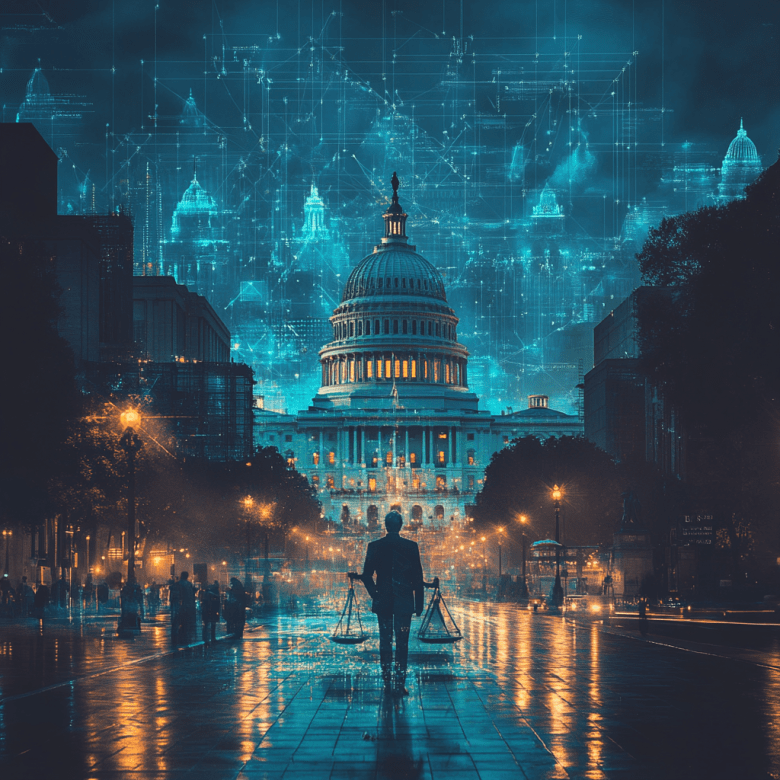
A New Era for the SEC: Paul Atkins Takes the Helm
In a pivotal 52-44 Senate vote, the United States confirmed Paul Atkins as the new Chair of the Securities and Exchange Commission (SEC) on April 9. The confirmation, backed solely by Senate Republicans, signals a seismic shift in the regulatory approach of the SEC—steering away from the strict enforcement tactics favored under former Chair Gary Gensler.
Atkins, a seasoned Wall Street consultant and former SEC Commissioner, is expected to bring a more market-friendly, innovation-oriented perspective—particularly concerning digital assets and blockchain regulation.
Background: A Return to Power for a Former Commissioner
Paul Atkins’ nomination sailed through the Senate Banking Committee earlier in April, paving the way for his return to the SEC. He will serve as Chair until June 2026, following the brief interim leadership of Acting Chair Mark Uyeda. Uyeda, who assumed the role after Gensler’s resignation in January, initiated deregulatory reforms, including the dismissal of several crypto enforcement actions and the rollback of Staff Accounting Bulletin No. 121 (SAB 121), which had previously constrained crypto custody by public companies.
Atkins brings a robust background to the position. He served as an SEC Commissioner from 2002 to 2008 and most recently led Patomak Global Partners, advising top financial institutions and crypto firms on compliance, risk management, and digital strategy. Additionally, he chaired the Token Alliance, a crypto advocacy organization. Ethics disclosures reveal that Atkins and his spouse hold up to $6 million in crypto-related assets—further highlighting his deep ties to the digital asset industry.
A Philosophical Pivot in Crypto Regulation
Atkins’ confirmation marks a dramatic philosophical pivot from the Gensler-led SEC. While Gensler adopted an enforcement-heavy stance, initiating more than 100 actions against crypto firms and labeling many tokens as securities, Atkins champions a principles-based regulatory framework. His vision prioritizes investor protection without stifling blockchain innovation.
During his confirmation hearing, Atkins stressed the urgency of crafting a “clear and rational framework” for digital assets. He advocated for inter-agency collaboration—particularly with the Commodity Futures Trading Commission (CFTC) and Congress—to address regulatory ambiguity and jurisdictional overlap.
This shift aligns with broader policy goals championed by the Trump administration: to establish the U.S. as a global hub for blockchain development, Bitcoin adoption, and decentralized finance (DeFi) innovation.
What’s Next for Crypto Regulation Under Atkins?
The SEC under Atkins is poised to pursue sweeping regulatory reforms that could fundamentally reshape the crypto industry. These include:
- Codified Digital Asset Rules: Expect a move away from case-by-case enforcement to more predictable, codified guidelines.
- ETF Acceleration: The approval process for digital asset exchange-traded funds (ETFs), including those for altcoins like XRP and Solana, could see significant momentum.
- Asset Classification Reform: Internal guidance already leans toward excluding many crypto tokens from securities definitions—a trend likely to continue.
- Safe Harbor Provisions: New proposals may grant decentralized protocols a grace period to comply with SEC regulations.
- Centralized vs. Decentralized Distinctions: Expect clearer demarcations between custodial services and fully decentralized networks.
Under Acting Chair Uyeda, the SEC had already taken initial steps to reduce regulatory pressure, such as forming internal task forces to consult with industry stakeholders. Atkins is widely expected to expand on this direction, laying the groundwork for a more innovation-friendly regulatory landscape.
Implications Beyond Crypto: Traditional Markets in the Spotlight
Atkins’ deregulatory focus isn’t limited to digital assets. His agenda is likely to influence traditional capital markets, especially around:
- Disclosure Reform: Proposals to reduce burdensome public company reporting requirements could be back on the table.
- Capital Formation Simplification: Easing the rules for startups and private enterprises to raise capital is a likely priority.
- Accredited Investor Redefinition: Atkins has floated the idea of replacing net worth thresholds with broader measures of financial sophistication, potentially expanding access to private market investments.
These policy directions could inject fresh energy into capital markets by removing long-standing barriers and modernizing outdated criteria.
Political Reactions and Institutional Challenges
Reactions to Atkins’ appointment have been predictably divided along partisan lines. Senate Banking Committee Chair Tim Scott praised the move, stating it would bring “regulatory clarity for digital assets.” Acting Chair Uyeda, along with two other Commissioners, welcomed Atkins’ return in a joint statement.
However, criticism came swiftly from the other side of the aisle. Senator Elizabeth Warren voiced strong objections, citing Atkins’ Wall Street connections and his advisory role with the now-bankrupt crypto exchange FTX as red flags. According to The Wall Street Journal, she argued these affiliations should have disqualified him from leading the SEC.
Adding to the complexity, the SEC is undergoing internal changes due to broader federal downsizing. Staff reductions are already underway, placing additional pressure on Atkins to execute his reform agenda while maintaining operational stability.
A Critical Juncture for the SEC and the Digital Economy
Paul Atkins’ appointment represents more than just a personnel change—it’s a structural inflection point for the SEC and the broader financial landscape. With digital assets poised to redefine capital formation and global finance, the regulatory approach adopted in the coming years will have long-lasting implications.
Whether Atkins can balance innovation with investor protection—and navigate political resistance—will determine the success of his term. For now, crypto advocates, traditional market participants, and policymakers alike will be watching closely as the SEC repositions itself under new leadership.
How Axal Blends AI Agents with Blockchain for Smarter Investments

The world of cryptocurrency is evolving rapidly, and US-based startup Axal is leading the charge by integrating AI trading agents with automated crypto trading tools. Their flagship product, Autopilot, offers a unique combination of smart automation, AI-driven decision-making, and secure blockchain infrastructure—making it ideal for both beginners and casual crypto enthusiasts.
Autopilot: AI-Powered Crypto Trading Simplified
Axal’s Autopilot tool empowers users to automate their trading experience by setting customizable preferences such as risk tolerance levels and asset restrictions. Once configured, the AI agent executes trades across crypto assets and stablecoins, aiming to optimize returns with minimal user involvement.
What sets Autopilot apart is its user-centric design. Unlike complex DeFi dashboards or manual trading platforms, it’s built for users who enjoy investing in crypto but aren’t necessarily tech-savvy or glued to market charts.
Leveraging Ethereum Layer 2 Networks for Speed and Cost Efficiency
On the technical side, Autopilot currently operates on Ethereum Layer 2 chains, including Base, Optimism, and Arbitrum. These networks offer faster transactions and lower fees, making them perfect for seamless, real-time AI-driven trading. Axal also plans to integrate Solana, known for its lightning-fast speed, in the near future.
This strategic use of L2s helps Autopilot remain efficient and scalable—key ingredients for an automated crypto trading experience that doesn’t lag or overcharge users.
Easy Funding Options for Seamless Access
To make onboarding as smooth as possible, Axal allows users to fund their Autopilot accounts either via crypto wallets or through more traditional methods like email signups and Venmo transfers. This hybrid approach broadens accessibility and welcomes users who may be new to Web3 ecosystems.
Once the account is funded and preferences are set, the AI trading agent takes over—executing strategies aligned with user-defined parameters.
Smart Features for Smarter Crypto Users
Autopilot isn’t just about trading. It offers yield farming with stablecoins, interaction with DeFi tools, and support for a variety of tokens like BTC, ETH, memecoins, and more. Users can even build custom indexes—allowing the AI to manage a personalized portfolio of handpicked tokens.
These tools give users the ability to diversify their investments, earn passive income, and stay engaged in the crypto market without constant oversight.
Safety by Design: Transparency Through Blockchain
One of the standout features of Axal’s platform is its built-in transparency. Thanks to blockchain technology, every action taken by an AI agent is verifiable on-chain. This auditability adds a layer of trust often missing in the AI space.
“You can literally look onchain and confirm that the agent completed the task you assigned,” said Ari Santos, Axal’s Head of Strategy and Operations. This level of visibility ensures that users can monitor AI activity and verify execution with confidence.
Combatting AI Hallucinations with On-Chain Proof and Penalties
While AI hallucinations—incorrect or unpredictable outputs—remain a challenge in the industry, Axal takes a proactive approach. They employ zero-knowledge co-processors and optimistic oracles to verify AI-generated data and ensure task completion.
If an AI agent makes a mistake or provides inaccurate output, Axal’s system enforces a collateral-slashing mechanism. “If a model hallucinates and delivers low accuracy, it pays the price,” explained founder Ashlan Ahmed. This method holds AI accountable, incentivizing higher precision and reliability in real-world tasks.
Looking Ahead: Expanding AI Utility Beyond Trading
Axal’s ambitions don’t stop at crypto trading. The team is developing future AI agents that can handle real-world tasks, such as ordering food delivery, booking travel, and managing digital to-do lists based on general inputs.
Their goal? To create AI agents that can not only navigate the blockchain but also automate daily life tasks—bridging the gap between digital finance and everyday utility.
“There’s a lot of innovation happening in the agentic space,” noted Jacob Kozhipatt, Axal’s Head of Growth. “But for true adoption, users need assurance that tasks will be completed exactly as requested. That’s where on-chain verification and intelligent agents intersect.”
Trustworthy AI Meets the Decentralized Future
Axal is redefining what it means to trade crypto in 2025. By combining AI automation, secure blockchain infrastructure, and user-friendly interfaces, the company makes smart trading accessible to all. Autopilot is more than just a bot—it’s a gateway into a smarter, safer, and more transparent world of digital finance.
As Axal continues to innovate, its hybrid approach—melding AI with decentralized systems—could shape the future of not just crypto trading, but also how we interact with digital agents in our everyday lives.
 Powerbuilding Digital