Fitness / Motivation / Technology & A.I / Crypto

Welcome to Edition 44 of the PowerBuilding Digital Newsletter: Leading the Charge in Fitness and Technological Innovation
Fitness
Maximizing Fitness Results: Effective Rest and Recovery Strategies

For fitness enthusiasts, the path to achieving peak physical condition involves much more than relentless training sessions. Incorporating effective rest and recovery strategies is equally vital in ensuring sustainable progress and preventing injuries. This comprehensive guide delves into essential rest and recovery tips that are integral to any successful fitness regimen.
Understanding the Importance of Rest
Rest is a critical component of the fitness puzzle, yet it is often overlooked. It allows your muscles to repair, rebuild, and strengthen. Without adequate rest, your body cannot fully recover, which can lead to overtraining symptoms such as fatigue, decreased performance, and even injuries.
The Role of Sleep in Muscle Recovery
Sleep is perhaps the most powerful recovery tool at your disposal. During sleep, your body undergoes processes that are crucial for muscle repair and growth. The release of growth hormones during deep sleep stages facilitates tissue growth and muscle repair. Aim for 7-9 hours of quality sleep per night to ensure your body can fully reap the benefits of your workouts.
Active Recovery: Enhancing Your Rest Days
Active recovery involves performing low-intensity exercise during your rest days. Activities like yoga, light swimming, or a gentle walk can help increase circulation, which aids in nutrient and oxygen delivery to muscles. This can accelerate the recovery process without imposing undue stress on the body.
Nutrition’s Impact on Recovery
Proper nutrition is indispensable in your recovery arsenal. Consuming a balanced diet rich in proteins, healthy fats, and carbohydrates can help replenish energy stores and aid in muscle repair. Post-workout, it’s particularly important to consume a mix of carbs and proteins to facilitate muscle recovery.
Hydration and Recovery
Staying hydrated is essential for optimal recovery. Water plays a key role in transporting nutrients to your cells and flushing out toxins from your body. Ensure you’re drinking adequate fluids throughout the day, not just during and after your workouts.
The Benefits of Massage and Foam Rolling
Incorporating massage or foam rolling into your recovery routine can significantly enhance muscle recuperation. These techniques help reduce muscle tightness and improve blood flow, which can speed up the recovery process and improve range of motion.
Listening to Your Body: The Ultimate Recovery Tool
One of the most important aspects of recovery is learning to listen to your body. Pay attention to signs of excessive fatigue, soreness, or pain. These could be indicators that your body needs more time to recover. Adjusting your training and recovery strategies in response to these signals is crucial in maintaining overall health and fitness.
Balancing Training with Recovery
For fitness enthusiasts looking to optimize their performance and achieve long-term success, balancing vigorous training with effective rest and recovery strategies is non-negotiable. By incorporating these essential tips into your routine, you can enhance your fitness levels while safeguarding your body against injuries and burnout. Remember, a well-rested body is a high-performing one.
Motivation
Finding Inspiration in the Everyday

In our everyday lives, it can sometimes seem challenging to find moments of inspiration amidst our routines and responsibilities. However, inspiration is not just a fleeting moment of creativity; it is a subtle yet powerful force that can make our daily experiences more meaningful and transformative.
The Essence of Everyday Inspiration
Everyday inspiration is the unexpected spark of creativity and insight that can arise from ordinary circumstances. Unlike the dramatic moments of revelation often depicted in films and literature, everyday inspiration is quieter, often requiring a more attentive mindset to recognize and appreciate.
Sources of Daily Inspiration
Nature’s Role
Even in urban settings, nature provides a ceaseless source of inspiration. From the complex structure of a leaf to the unpredictable patterns of weather, nature reminds us of the beauty and wonder of existence.
People Around Us
The stories, struggles, and successes of people we encounter can offer profound insights and inspiration. Whether it’s a conversation with a friend or observing a stranger’s kindness, human interactions enrich our understanding and creativity.
Art and Media
Films, music, books, and other forms of media are not only sources of entertainment but also of inspiration. They reflect diverse human experiences and emotions, offering new perspectives and ideas.
Techniques to Harness Inspiration
Keeping an Inspiration Journal
Maintaining a journal to record thoughts and moments of inspiration is a practical way to cultivate creativity. This habit helps in retaining and developing those initial sparks into more developed ideas.
Mindfulness Practices
Mindfulness helps us become more aware of our surroundings and our inner thoughts, making it easier to notice and capture moments of inspiration that might otherwise go unnoticed.
Creative Routines
Establishing routines that encourage creativity, such as dedicated time for reading, writing, or other creative pursuits, ensures that inspiration is not left to chance.
Transforming Inspiration into Output
Artistic Expression
Many use art to translate their inspiration into visible forms, whether through painting, writing, or dance. This expression not only shares inspiration with others but also deepens the artist’s own understanding and appreciation.
Problem Solving
Inspiration can be a powerful tool for innovative problem-solving in both personal and professional contexts. It enables out-of-the-box thinking that is crucial for overcoming complex challenges.
Innovation in Work
In the workplace, inspiration can lead to innovation, driving improvements and new ideas that enhance productivity and satisfaction.
Stories of Everyday Inspiration
Sharing stories from individuals who have found inspiration in everyday life can motivate others to pay more attention to their own experiences and the potential hidden within.
Finding inspiration in the everyday is about tuning in to the subtle and enriching experiences that life offers. It encourages us to remain open to the unexpected and to cultivate habits that enhance our perception of the world around us.
Technology & A.I
Exploring the Risks and Rewards in the Artificial Intelligence Investment Landscape

Artificial Intelligence (AI) continues to captivate the attention of investors worldwide, drawing in billions of dollars despite the nascent stage of many startups within the sector. As the hype surrounding AI intensifies, concerns about the sustainability of such investments are beginning to surface, suggesting a potential bubble in the making.
The AI Investment Frenzy: A Closer Look
Venture capital firm Sequoia Capital highlighted at its recent AI summit that it has invested a staggering $50 billion into the necessary technology for training advanced language models. In stark contrast, the revenue generated by generative AI startups remains relatively modest at $3 billion. Sonya Huang, a partner at Sequoia, remarked at the summit, “Everyone is operating on the belief that ‘if you build it, they will come.’ However, the financial realities tell a different story. We are witnessing expenditures that far surpass the earnings, indicating significant economic challenges that need addressing.”
Unprecedented Growth in Generative AI Investments
The year-on-year investment in generative AI technologies saw an explosive increase, with figures reaching $21.8 billion in the previous year—a fivefold growth from 2022. Investors are on a quest to find the next big innovation akin to OpenAI’s ChatGPT, though success stories remain few and far between. Among the notable ventures is Inflection AI, which secured $1.5 billion to develop sophisticated language models for its chatbot Pi, designed to provide emotional support to users. Despite the ambitious start, the company struggled to establish a viable business model, leading to significant staff changes, including its CEO Mustafa Suleyman’s shift to Microsoft.
Big Tech’s Heavy Investments in AI
The commitment to AI is not limited to startups; major technology firms are also making substantial bets on the future of AI. Meta, for example, announced plans to allocate $35 billion towards AI initiatives this year. This significant investment is part of a broader strategy to evolve Big Tech’s revenue models through various channels, including advertising and subscriptions. Muddu Sudhakar, CEO of Aisera, noted, “The commitment to AI by tech giants is akin to historical shifts like the move from on-premises solutions to the cloud or from desktops to mobile technology. These are long-lasting, secular trends that could redefine the technology landscape.”
Industry Perspectives: Evaluating the Impact of AI Investments
As investments continue to flow into AI, industry experts are debating the timing and impact of these funds. Questions about when these investments will start delivering a noticeable return on investment (ROI) and how they might alter the economic structures of major tech companies are at the forefront of these discussions. The shift by major companies like Microsoft, Google, Meta, and Amazon into AI underscores its perceived importance as a strategic priority that could shape the future of technology.
Navigating the AI Gold Rush
As the AI sector continues to expand, the race among investors and companies to capitalize on this technology shows no signs of slowing down. However, the sustainability of this enthusiasm will depend on the ability of companies to turn innovative technology into profitable business models. The ongoing debate among industry experts highlights the critical need for a balanced approach to investing in AI, ensuring that the excitement of potential does not overshadow the economic realities of implementation and market adaptation.
Software Development: Introducing GitHub Copilot Workspace

GitHub is poised to redefine the coding landscape with the announcement of GitHub Copilot Workspace, an advanced tool designed to significantly reduce the time engineers and developers spend on preliminary code analysis and project initiation.
Enhancing Development Workflow with GitHub Copilot Workspace
GitHub Copilot Workspace, currently in technical preview and available to a select group of developers on a waitlist, promises to seamlessly integrate into the broader GitHub Copilot platform post-preview. This integration is expected to transform how developers interact with GitHub repositories or libraries.
Streamlining Project Initiation
Developers face numerous challenges when starting a new project, primarily revolving around understanding existing code and determining the best approach to begin. GitHub addresses this hurdle head-on by enabling developers to interact directly with Copilot Workspace using descriptive prompts. This interaction facilitates a clear path forward, offering tailored suggestions that outline a step-by-step process for project commencement. Developers can then refine these suggestions, execute the code, and efficiently progress through to project completion.
Full Lifecycle Development Support
The introduction of Copilot Workspace is part of GitHub’s strategic initiative to embed its GPT-4 powered code completion tool, Copilot, throughout the entire development lifecycle. Jonathan Carter, the head of GitHub Next, emphasized the value of this integration. Feedback from users highlighted Copilot’s efficacy mid-project, but pointed to a gap in its utility at the project’s outset. By embedding Copilot early in the development process, developers can shift their focus from reading code and documentation to engaging in more dynamic and creative coding activities.
Advanced Code Analysis
One of the standout features of Copilot Workspace is its ability to rapidly analyze and comprehend complex code bases. This capability allows it to outpace traditional methods where developers rely on written documentation to understand older, intricate code. Such efficiency not only speeds up the development process but also enhances the accuracy and quality of the code being developed.
Setting New Standards in AI-Driven Development
Since its inception, GitHub’s Copilot has set a benchmark for AI-driven code writing and completion tools. It has become a staple in the developer’s toolkit, showcasing the potential of AI to streamline and enhance coding tasks. The evolution of AI models, as seen with Microsoft’s introduction of the Phi-3 model and similar advancements by companies like Meta, continues to push the boundaries of what these technologies can achieve in coding projects.
GitHub Copilot Workspace represents a significant leap forward in making AI an integral part of every phase of software development. By reducing the initial overhead involved in starting new projects and providing continuous support throughout the development cycle, GitHub is not only catering to the immediate needs of developers but also shaping the future of software development. This innovative approach ensures that developers can maximize their productivity and focus on what they do best—creating outstanding software solutions.
Amazon Rebrands CodeWhisperer to Q Developer: Revolutionizing AI-Assisted Coding

Amazon has announced a significant transformation. CodeWhisperer, once Amazon’s frontline AI-powered coding assistant, has been reinvented as Q Developer. This change marks a strategic shift towards a more integrated and comprehensive suite of tools aimed at enhancing developer productivity across various coding tasks.
Transforming CodeWhisperer into Q Developer
Amazon’s Q Developer emerges from the legacy of CodeWhisperer, now positioned as a core component of the Q family—Amazon’s suite of business-oriented generative AI chatbots. This expansion includes the introduction of Q Business, broadening the horizon of AI capabilities offered through AWS. Q Developer is designed to aid developers in debugging, upgrading apps, troubleshooting, and conducting security scans, effectively continuing the services once offered by CodeWhisperer.
A Strategic Brand Evolution
In a revealing interview with TechCrunch, Doug Seven, GM and director of AI developer experiences at AWS, admitted that CodeWhisperer’s branding might not have resonated as intended. Despite a free tier, it struggled to compete with GitHub Copilot, which boasts over 1.8 million paying users and numerous corporate clients. Seven emphasized that Q Developer is not just a new name but a reimagined brand that addresses a broader range of developer needs.
Advanced Capabilities of Q Developer
Q Developer isn’t just a renaming; it introduces enhanced functionalities like code generation in SQL and other languages, thorough code testing, and assistance in code transformation based on developer queries. Moreover, Q Developer includes a feature called Agents, allowing it to autonomously implement features, document changes, and refactor code, offering a more dynamic solution than its predecessor.
User-Centric Customization
Mirroring capabilities seen in GitHub Copilot, Q Developer allows users to fine-tune its features to better suit their internal codebases, enhancing the tool’s relevance and efficiency. Whether requesting a simple feature like an ‘add to favorites’ button or more complex system updates, Q Developer can autonomously generate and test new code, offering developers a robust, step-by-step plan for implementation.
Q Developer represents Amazon’s commitment to refining and expanding its AI-assisted coding tools. With a broader scope and improved functionality, it stands to redefine how developers interact with coding challenges, promising a more intuitive and productive coding experience. As the landscape of developer tools continues to evolve, Q Developer is poised to be at the forefront, driving innovation and efficiency in software development.
OpenAI’s Sora Revolutionizes Video Production Despite Early Challenges

Sora, marking a significant leap in digital video technology. Sora stands out by producing exceptionally realistic and fluid videos, setting a new standard well beyond what current competitors offer. Yet, its initial launch was shrouded in mystery, with details only coming to light after a filmmaker with early access used it to produce a short film.
The Genesis of “air head” by Shy Kids
Selected by OpenAI, Shy Kids, a creative digital team from Toronto, embarked on creating short films for the tech giant. Their project “air head” was not just a promotional tool but a canvas for artistic expression, thanks to the considerable creative leeway granted by OpenAI. Patrick Cederberg, a post-production maestro, discussed in an fxguide interview how Sora was instrumental in his workflow.
Demystifying the Magic of Sora
It’s essential to clarify that while OpenAI’s announcements may have painted a picture of films almost magically conjured up by Sora, the reality involved meticulous traditional filmmaking practices. These ranged from storyboarding to sophisticated post-production techniques like color correction and visual effects. This approach mirrors how Apple highlights its “shot on iPhone” campaign, omitting the professional tweaks behind the scenes.
Interested readers might find Cederberg’s fxguide interview enlightening, where he unveils more about the nitty-gritty of working with Sora. Despite the initial awe, it appears Sora might not be as revolutionary without substantial human input.
Overcoming Technical Hurdles with Sora
Maintaining control over the creative process poses significant challenges in using Sora effectively. To achieve consistent results across shots, filmmakers must provide detailed prompts, such as specifying characters’ apparel or props like balloons. This requirement stems from the lack of seamless control over these elements in Sora’s current iteration, which contrasts starkly with traditional filmmaking where such details are easily managed.
Cederberg highlighted the labor-intensive nature of editing out anomalies, like unintended faces on balloons, and ensuring continuity in clothing colors across different shots—tasks that are straightforward in conventional video production but demanding in a generative context.
Achieving Cinematic Precision and Addressing Feedback
The precision of character movements and camera angles often falls into a “hit or miss” category. Directing a character to perform simple actions such as waving can only be approximated, and basic camera movements might require post-production adjustments, like cropping, to fit the intended vision. Interestingly, standard filmmaking commands like “panning right” could lead to unpredictable outcomes, complicating the editing process and reducing the number of usable takes.
A behind-the-scenes video sheds light on these challenges, revealing the mixed reviews and critical feedback from the filmmaking community.
Copyright Concerns and Ethical Implications
One intriguing aspect of Sora is its handling of copyright-sensitive requests. For example, if tasked with generating a “Star Wars” clip, Sora will deny the request. Even cleverly disguised prompts fail, highlighting concerns about the training data’s content and copyright adherence, which OpenAI does not openly discuss.
While Sora represents a potent tool for filmmakers, its capability to independently create complete films remains a future possibility, echoing the adage of technological progress eventually bridging today’s gaps.
In summary, Sora by OpenAI introduces a transformative approach to video production, blending advanced AI with traditional filmmaking techniques to push the boundaries of digital storytelling. Despite facing early challenges and criticism, it paves the way for future innovations in the industry.
Crypto
Exploring the Rising Impact of Bitcoin and Ethereum ETFs in the Financial Landscape

The financial sector is experiencing a significant transformation as institutions increasingly focus on digital assets, with giants like BlackRock leading educational initiatives in this space. Robert Mitchnick, the head of digital assets at BlackRock, has highlighted the firm’s role in guiding financial institutions through their exploratory phases regarding cryptocurrencies like Bitcoin.
Bitcoin’s Journey in the Financial Institutions’ Space
For years, BlackRock has been at the forefront of introducing Bitcoin to various financial entities. Their discussions have evolved from mere introductions to in-depth strategic considerations about integrating Bitcoin into diverse financial portfolios. This shift is not just about adoption but about understanding Bitcoin’s role in modern portfolio management. Mitchnick emphasized that these are not just initial talks but an ongoing dialogue that has been maturing over several years.
The Surge of Interest in Bitcoin ETFs
Despite a brief halt following 71 consecutive days of inflows, the interest in Bitcoin ETFs remains robust. Mitchnick predicts a resurgence of interest from a new wave of investors, including sovereign wealth funds, pension funds, and endowments. These institutions are preparing to engage more actively with Bitcoin spot ETFs in the coming months.
Expanding the Bitcoin ETF Ecosystem
Since their approval earlier this year, Bitcoin ETFs have attracted over $76 billion in investment. Among the advisors incorporating these ETFs, notably BlackRock’s IBIT ETF, is a significant portion of the wealth advisory sector. These funds are now poised to be offered more broadly across major wealth management firms, further expanding their reach and influence.
Competitive Dynamics in the ETF Market
The ETF market is witnessing a keenly watched “AUM horse race” between BlackRock’s IBIT and Grayscale’s GBTC. While GBTC has been a long-standing player in the market, IBIT is quickly catching up, with assets totaling $17.2 billion compared to GBTC’s $24.3 billion. The competition isn’t just about asset accumulation; it involves a strategic shift from older Bitcoin trusts and futures ETFs to more direct spot product offerings.
Introducing Ethereum into the ETF Mix
In addition to Bitcoin, BlackRock has set its sights on Ethereum, having filed for an Ethereum ETF. This move comes amidst CEO Larry Fink’s discussions on the potential of tokenization. The Ethereum ETF not only introduces new complexities due to the nuanced nature of the Ethereum blockchain but also broadens the scope for investor exposure in the crypto space.
The Broader Implications of Digital Assets
Mitchnick points out the broader potential of digital assets to revolutionize the capital markets. By focusing on three primary areas—cryptoassets, stablecoins, and tokenization—BlackRock aims to integrate these elements into a cohesive strategy. This approach helps in understanding the interrelations among different digital assets and shaping the firm’s overall strategy towards innovative financial solutions.
In conclusion, as digital assets like Bitcoin and Ethereum become increasingly integrated into the financial mainstream, the role of educational initiatives by institutions like BlackRock becomes critical. These efforts not only support the adoption and integration of these assets into complex portfolios but also ensure that the financial industry can keep pace with technological advancements in the digital asset space.
Cryptocurrency Transactions: MoonPay Integrates PayPal for Enhanced Trading

MoonPay, a key player in the cryptocurrency infrastructure sector, is making significant strides by incorporating PayPal into its payment options. This strategic move is set to redefine how users in the United States engage with cryptocurrencies, enabling them to buy and sell digital assets like Bitcoin with unprecedented ease.
Expanding Crypto Trading with PayPal Integration
As of May 2, MoonPay announced that its users could utilize PayPal for both purchasing and selling cryptocurrencies. This integration facilitates fiat-to-crypto transactions, which can be accomplished via PayPal using wallets, bank transfers, or debit cards. The flexibility offered by PayPal adds a layer of convenience and accessibility, catering to a broad range of user preferences.
Over 110 Cryptocurrencies at Your Fingertips
Ivan Soto-Wright, co-founder and CEO of MoonPay, emphasizes the breadth of options available through this partnership. Users have the privilege of trading over 110 different cryptocurrencies via MoonPay, a scope that significantly surpasses many competitors in the market. This extensive selection positions MoonPay as a superior choice for crypto enthusiasts looking to diversify their portfolios.
Tackling Traditional Banking Limitations
A notable advantage of using PayPal for crypto transactions is the circumvention of traditional banking restrictions. Many banks have policies that prevent the purchase of cryptocurrencies using debit or credit cards. However, when these cards are used through PayPal, MoonPay has observed a substantial improvement in the success rate of transactions. This enhancement is crucial for providing a seamless and efficient trading experience.
MoonPay’s Commitment to Accessibility
Since its inception in 2019, MoonPay has focused on simplifying the fiat-to-crypto conversion process. The platform supports a variety of payment methods, including debit and credit cards, mobile payments through Apple and Google Pay, bank transfers, and local payment options tailored to specific jurisdictions. Backed by Tiger Global, MoonPay collaborates with leading payment providers like Mastercard and major crypto exchanges such as Binance.
Future Plans and Growth
Looking ahead, Soto-Wright shared that the PayPal integration is initially launching with MoonPay’s direct-to-consumer offerings, including the MoonPay App and desktop platform. The rollout will soon extend to several of MoonPay’s partners, enhancing the accessibility of these services. Initially available to 50% of MoonPay’s customer base, the integration plans to expand to additional markets, including the United Kingdom and the European Union.
User Base and Market Impact
With over 20 million verified users as of May 2024, MoonPay is not just expanding its technological capabilities but also its market presence. The integration with PayPal not only broadens the accessibility of cryptocurrencies but also solidifies MoonPay’s position as a leading innovator in the crypto payment landscape.
MoonPay’s integration with PayPal marks a pivotal development in the cryptocurrency space. It offers users a more flexible, inclusive, and efficient way to engage with digital currencies, setting a new standard for the industry and likely influencing future innovations in crypto transactions.
Stacks Network Usage: A Deep Dive into Bitcoin Layer-2 Innovations
The Stacks network, a prominent Bitcoin layer-2 (L2) solution, has recently marked a significant milestone by achieving an unprecedented number of active users. This surge in activity underscores a burgeoning interest in decentralized finance (DeFi) applications that are native to the Bitcoin ecosystem.
Record Growth in Active Users
In April, Stacks reported a remarkable increase in user engagement, with active accounts reaching a new peak of 122,497. These accounts, defined by their engagement in at least one transaction within the month, highlight a vibrant and growing community. This data, released by Bitcoin data provider Signal 21 on May 2, reflects the escalating enthusiasm for Bitcoin-based DeFi, or BTCFi.
Influence of Bitcoin Halving and New Protocols
The timing of this uptick in activity is notable, coinciding with several key developments in the Bitcoin sphere. Just over a week prior to this record-setting achievement, the Bitcoin network underwent its 2024 halving event, which historically influences various market dynamics. Additionally, the launch of Runes, a new protocol designed for the issuance of fungible tokens on the Bitcoin network, appears to be a pivotal factor. Such innovations are not only enhancing the functionality of Bitcoin but are also setting the stage for increased activity on L2 networks like Stacks.
The Impact of Rising Transaction Fees
Andre Serrano, the product and partnership manager at Stacks, provided insights into the shifting landscape of Bitcoin transactions. He noted that with more assets being issued on Bitcoin’s first layer (L1), transaction fees are likely to rise. This increase in fees could potentially sideline smaller transactions and users, making L2 solutions an essential pathway to maintain and expand user engagement. Serrano’s commentary to Cointelegraph emphasized that these developments are critical in encouraging a shift of activities to more efficient L2 networks.
Decrease in Transaction Fees Post-Halving
Interestingly, despite concerns about rising fees, data from CryptoQuant indicates that the median Bitcoin transaction fee actually decreased to $1.72 on May 1, a substantial drop from the all-time high of over $92 recorded on April 20. This reduction follows closely on the heels of the Bitcoin halving event, suggesting a temporary easing of transaction costs which could further influence the dynamics of Bitcoin’s DeFi landscape.
The Role of Bitcoin L2s in the Future of DeFi
Stacks and other Bitcoin L2 networks are increasingly seen as crucial components of the broader BTCFi ecosystem. These platforms not only facilitate lower transaction costs but also enable a host of new functionalities, such as the creation of smart contracts directly on the Bitcoin network. According to Serrano, the importance of L2 solutions for Bitcoin exceeds that for networks like Ethereum, which already possess inherent smart contract capabilities.
Comparative Growth and Future Prospects
The enthusiasm for BTCFi continues to grow, drawing comparisons to the innovation seen in Ethereum’s DeFi sector. Nash Lee, co-founder of MerlinSwap, expressed optimism about the potential for BTCFi to rival Ethereum’s DeFi space in terms of innovation and user engagement.
Stacks network is at the forefront of expanding Bitcoin’s utility beyond simple transactions to a more versatile and robust financial ecosystem. As the landscape of digital currencies continues to evolve, Bitcoin L2 solutions like Stacks play a pivotal role in shaping the future of finance, making decentralized financial services more accessible, efficient, and scalable.
Blockchain Gaming: Solana Labs Partners with Google Cloud for GameShift Integration
Solana Labs has joined forces with Google Cloud. This strategic partnership, announced on Thursday, focuses on integrating Solana’s blockchain gaming platform, GameShift, with Google Cloud’s robust infrastructure. The collaboration is designed to facilitate easier access to blockchain technology for game developers and accelerate its adoption in the mainstream gaming industry.
Streamlining Blockchain Integration for Game Developers
GameShift, developed by Solana Labs, simplifies the complexities of blockchain technology for game developers. It offers a comprehensive API that enables seamless player onboarding and integration of sophisticated features such as in-game digital asset creation, branded NFT marketplaces, and straightforward credit card transactions and payouts. This platform is tailored to enhance the gaming experience by leveraging the unique capabilities of blockchain technology, without burdening developers with its intricacies.
Google Cloud Amplifies Blockchain Game Development
With the backing of Google Cloud, developers utilizing GameShift can now deploy their blockchain-based games more efficiently using Google’s advanced cloud solutions. A spokesperson from Google Cloud confirmed that GameShift has been incorporated into Google Cloud’s partner network, marking a milestone for both entities in their commitment to advancing blockchain applications in gaming.
Overcoming Technical Hurdles in Web3 Gaming
Jack Buser, the Director of Games at Google Cloud, highlighted the challenges that game studios face when attempting to integrate Web3 technologies into their projects. According to Buser, the technical complexities associated with blockchain have acted as a significant barrier, deterring wider adoption. “By integrating GameShift into Google Cloud’s ecosystem for live games, we are providing developers a simplified pathway to craft engaging blockchain experiences without the need to delve deep into the technology,” Buser explained.
This initiative not only supports developers but also aligns with Google Cloud’s ongoing efforts to empower the Solana ecosystem. Since 2022, Google Cloud has been actively involved with Solana, operating as a validator to support the network and facilitating the launch of personal blockchain nodes through its services.
The partnership between Solana Labs and Google Cloud signifies a pivotal advancement in blockchain game development. By reducing the entry barriers and technical challenges through GameShift, this collaboration promises to bring innovative and immersive gaming experiences to the forefront of the industry. As blockchain technology continues to evolve, its integration into mainstream gaming could very well redefine the parameters of digital interaction and entertainment.
Kusama Leads Blockchain Innovation with Launch of Agile Coretime

Kusama, often referred to as the experimental playground for Polkadot, has recently achieved a remarkable feat with the introduction of Agile Coretime, a revolutionary blockchain technology. This strategic move has sparked considerable interest in the crypto community, positioning Kusama at the forefront of blockchain development.
Introduction to Agile Coretime on Kusama
In a groundbreaking development, Kusama has successfully auctioned its first batch of Agile Coretime, an innovative solution designed to optimize the use of blockchain space. The auction concluded with three cores fetching a total of 70 KSM, which is equivalent to approximately $1,980, signaling strong market interest. Each core was purchased for an average of 23.4 KSM, or about $660.
Agile Coretime: Enhancing Blockchain Efficiency
Agile Coretime revolutionizes how developers can utilize block space on the blockchain. By allowing the purchase of up to four weeks, or 28 days, of uninterrupted block space, it enables application chains to operate more efficiently. This system ensures that developers have dedicated access to the blockchain, allowing for smoother and more reliable application performance.
Alice und Bob, renowned Polkadot enthusiasts, highlighted that the availability of more cores is anticipated as the traditional auction model is phased out. This transition is expected to open up more opportunities for developers seeking dedicated block space through Agile Coretime.
The Role of Parity Technologies in Promoting Agile Coretime
Parity Technologies, the architects behind Polkadot, have expressed their enthusiasm about the successful launch of Agile Coretime. They believe that this initiative is a crucial step in Polkadot’s development roadmap, particularly in its integration into the mainnet. According to Parity, the ability to allocate core time based on specific needs ensures that no block space is wasted, thereby enhancing scalability and maximizing the efficiency of resource utilization.
Gavin Wood on the Future of Blockchain Resource Management
Gavin Wood, the visionary founder of Polkadot, has described Agile Coretime as a transformative approach to resource allocation within the blockchain network. He emphasizes that the monthly sale of core time allows developers to scale block space according to their requirements. Moreover, the flexible ‘pay as needed’ model offers on-demand access to resources, paving the way for unprecedented levels of innovation and improved capacity within the Polkadot ecosystem.
Polkadot’s Upcoming Join-Accumulate Machine (JAM) Upgrade
As Polkadot prepares for the rollout of the Join-Accumulate Machine (JAM) upgrade, the timing of Agile Coretime’s introduction could not be more opportune. Industry experts predict that the JAM upgrade will transform Polkadot into a multi-core world computer, capable of handling any service without compromising on scalability or security.
The successful implementation of Agile Coretime by Kusama marks a significant advancement in blockchain technology. It not only enhances the functionality and efficiency of the Polkadot network but also sets a new standard for resource management in the blockchain realm. As Kusama continues to innovate and lead, the future of blockchain technology looks increasingly promising, driven by efficiency, scalability, and flexibility.
Pantera Capital’s Strategic Investments in TON Blockchain for Enhanced Crypto Accessibility
Pantera Capital, a leading cryptocurrency venture capital firm, controls over $5 billion in assets. Recently, it has made a significant investment in The Open Network (TON), a blockchain gaining traction within the cryptocurrency sector. This strategic move is seen as a potential game-changer in broadening cryptocurrency access to a global audience.
Pantera Capital’s Vision for TON: Unlocking Cryptocurrency’s Mass Market Potential
Pantera Capital expressed strong belief in TON’s ability to democratize cryptocurrency usage, leveraging its widespread use within the Telegram ecosystem. The TON blockchain, a Layer 1 network originally developed by Telegram and subsequently advanced by the open-source community, is recognized for its robust capabilities and seamless integration with Telegram’s platform.
Recent Developments and Enhancements on the TON Blockchain
In an exciting development earlier this year, Telegram announced a new revenue-sharing model, which compensates channel owners through ad revenue using the Toncoin (TON). This initiative has already been implemented, allowing users to purchase in-platform advertisements with TON, marking a significant enhancement in user engagement and platform monetization.
With Telegram’s impressive metrics of over 900 million monthly active users and more than one trillion monthly channel views, TON is well-positioned to drive widespread adoption of cryptocurrency. Pantera Capital remains optimistic about the future growth and integration of TON within the Telegram community.
Advanced Features and Economic Efficiency of TON
The TON network recently expanded its functionality by supporting Tether (USDT) transactions, enabling users to make stablecoin payments seamlessly. This addition underscores TON’s capacity for handling high-volume transactions economically, with fees approximately 66% lower than those of other cryptocurrency payment platforms. Furthermore, TON’s infrastructure continues to evolve with new financial on-ramps and off-ramps, including bank transfers and exchanges, to facilitate easier access and utility.
TON’s Market Performance and Future Outlook
TON’s market influence is on the rise, now ranking as the 10th largest cryptocurrency with a market cap of $16.8 billion. Trading at approximately $4.80 per token, TON’s performance highlights its growing acceptance and investor confidence in its long-term value proposition.
Expansion and New Initiatives at Pantera Capital
Amidst these developments, Pantera Capital is not only focusing on TON but is also actively expanding its investment portfolio. The firm recently participated in buying discounted Solana (SOL) tokens, providing further evidence of its strategic market maneuvers. Additionally, Pantera is in the process of raising a new $1.25 billion fund, aimed at investing in a mix of startup equity, early-stage tokens, and liquid tokens. This new fund, set to launch in April 2025, underscores Pantera’s commitment to fostering innovation and growth within the cryptocurrency space.
Pantera Capital’s Impact on the Cryptocurrency Ecosystem
Founded in 2003, Pantera Capital has established itself as one of the most influential and active venture capital firms in the cryptocurrency world. With investments in over 180 crypto startups, Pantera’s latest ventures into TON and other strategic initiatives are poised to further enhance the accessibility and utility of cryptocurrencies globally. As the firm continues to pioneer new investments and foster technological advancements, the broader cryptocurrency market stands to benefit significantly from Pantera’s visionary approach.
Innovative Binius Cryptographic Proving System: A Leap Towards Efficient Zero-Knowledge Proofs

Vitalik Buterin, the visionary co-founder of Ethereum, has once again captured the spotlight with his recent exploration into an advanced cryptographic proving system. Named Binius, this groundbreaking system promises to revolutionize the efficiency of zero-knowledge proofs, potentially reshaping the future of privacy and security in digital transactions.
Understanding Binius: A Paradigm Shift in Cryptographic Proofs
At its core, Binius operates directly over the binary code—the fundamental language of computers. Binary code, using the simple binary digits of zero and one, serves as the bedrock for storing information and representing data across digital platforms. Binius leverages this language to enhance the operational efficiency of cryptographic proofs.
Distinguishing Features of Binius Compared to STARKs
While Binius shares some common ground with existing technologies like STARKs, the underlying principles diverge significantly. STARKs technology, known for enabling the cryptographic verification of complex statements, tends to generate additional values when dealing with large numerical data, which can introduce inefficiencies.
In contrast, Binius introduces an innovative approach by treating data as a hypercube and grid structure. It employs multilinear polynomials—a type of mathematical formula that models relationships between multiple variables—to execute cryptographic proofs. This method not only simplifies the computational process but also enhances the scalability and speed of the proofs.
The Technical Breakthroughs of Binius
One of the most significant innovations of Binius is its ability to transform individual data points into binary bits and strategically place them within a hypercube and grid framework. The process involves converting the structured data into a hypercube which is then meticulously analyzed by a verifier. The verifier conducts computational checks to confirm the accuracy of the data and the claims made by the prover.
Future Prospects and Encouragement from Buterin
Vitalik Buterin’s enthusiasm for Binius is palpable. In a recent post on X (formerly Twitter), he encouraged the broader community to delve into the capabilities and potential applications of Binius. Buterin’s call to action reflects his belief in the transformative impact of zero-knowledge proofs and his anticipation of continued innovations in this field.
Implications for the Tech and Crypto Communities
The introduction of Binius could have far-reaching implications for the technology and cryptocurrency communities. By enhancing the efficiency and reliability of zero-knowledge proofs, Binius has the potential to significantly improve the security and privacy of blockchain technologies and other digital platforms.
Binius cryptographic proving system marks a significant milestone in the field of cryptography. With its unique approach to handling binary data and its potential to streamline the process of zero-knowledge proofs, Binius stands out as a beacon of innovation. As the tech community continues to explore and expand upon this technology, the possibilities for enhanced security and efficiency appear boundless.
Uniswap’s Explosive Growth: A Comprehensive Analysis of Wallet Expansion and Trading Milestones

Uniswap, a leading decentralized exchange (DEX), has seen its user base expand dramatically over the past year. From May 2023 to May 2024, the number of wallets interacting with Uniswap surged by 140%, escalating from 3.03 million to an impressive 7.26 million. This remarkable increase is a testament to the platform’s growing influence and adoption in the decentralized finance (DeFi) sector.
Unprecedented Milestones in Trading Volume
Uniswap’s escalating wallet count coincides with other significant achievements, including surpassing a historic milestone of $2 trillion in cumulative trading volume by April 2024. This milestone not only reflects the platform’s liquidity and user trust but also underscores its dominant position in the DEX market. As of early April, Uniswap stands as the largest DEX in terms of total value locked, which reached a zenith of $5.31 billion, leaving its closest competitor, PancakeSwap, trailing with nearly $2 billion.
The Rise of UNI Token
Amidst these achievements, Uniswap’s native token, UNI, has also seen notable activity. Trading at $7.09 per token as of 1:21 p.m. ET on May 2, 2024, UNI experienced a 5.10% increase, gaining $0.34 in the previous 24 hours. This uptick is indicative of the positive market sentiment towards Uniswap, driven by its continuous innovations and solid performance metrics.
Regulatory Challenges Ahead
However, Uniswap’s rapid expansion and success have not gone unnoticed in regulatory circles. The U.S. Securities and Exchange Commission (SEC) has indicated intentions to sue Uniswap, signaling a potential regulatory crackdown on DeFi platforms. This move by the SEC is seen as part of a broader strategy to bring more oversight to decentralized networks, which have been largely unregulated till now.
Looking Forward
As Uniswap continues to evolve and adapt, the platform’s trajectory remains a focal point for both investors and regulatory bodies. The balance between fostering innovation in the DeFi space and ensuring compliance with regulatory standards will be crucial for Uniswap’s ongoing success and stability.
Uniswap’s story of rapid growth and regulatory challenges paints a vivid picture of the dynamic and often unpredictable nature of decentralized finance. As the platform moves forward, it will need to navigate the complexities of an evolving financial landscape, balancing innovation with the need for regulatory compliance. The future looks promising for Uniswap, but it is fraught with challenges that will test the resilience and adaptability of the platform.
US Policy and Crypto Mining: Addressing Iran’s Tactics to Circumvent Sanctions
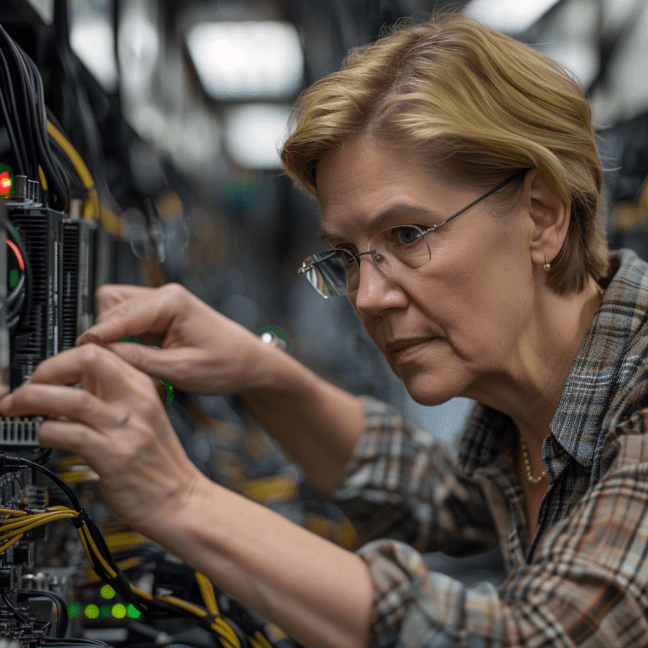
US Senators Elizabeth Warren and Angus S. King, Jr. have taken a firm stance against Iran’s sophisticated use of cryptocurrency mining to sidestep international sanctions. This concern was communicated through a detailed letter to key figures in the Biden administration, including Secretary of Defense Lloyd Austin, National Security Advisor Jake Sullivan, and Treasury Secretary Janet Yellen.
Iran’s Expanding Influence in Cryptocurrency Mining
Since the legalization of cryptocurrency mining in 2019, Iran has rapidly advanced its capabilities in this sector. Senators Warren and King’s letter outlines how this strategic move has not only bolstered Iran’s economic stability but has also allegedly funded operations of groups like Hamas, escalating threats to global peace and US national security.
Challenges and Concerns of Crypto Mining in Iran
The senators have raised alarms over the extensive energy consumption required for crypto mining, which has periodically led to severe power shortages across Iran, causing nationwide blackouts. Another major concern highlighted is the mandate that local crypto miners must sell their digital assets directly to the Iranian central bank. This requirement potentially facilitates less detectable transactions, thus bypassing the conventional international financial systems and their regulatory scrutiny.
Recent Escalations and Security Implications
The letter also points to recent aggressive actions, including reported drone and missile attacks by Iran on Israel. There are growing concerns about the possibility of cryptocurrencies being used to fund these and other military operations. The US Treasury Department is actively investigating these allegations, specifically probing crypto transactions that reportedly total $165 million over the past three years linked to militant activities.
Request for Comprehensive Review and Future Actions
The urgency of the matter has led Senators Warren and King to request a comprehensive briefing from the administration by May 16, 2024. They are seeking detailed insights into the revenue generated from cryptocurrency mining in Iran, the extent of the government’s involvement, and the steps being taken by the US to counter these emerging threats.
This ongoing inquiry into Iran’s cryptocurrency activities underscores the complexities of global finance in the digital era. It also highlights the potential of digital currencies to offer sanctioned states new methods to circumvent international norms. The responses from US administrative bodies will be pivotal in shaping future policies on cryptocurrency’s role in global security and economic stability.
Latest Developments in Bitcoin: The Rise of Runes and Ordinals

The recent surge in the popularity of Runes tokens has led to a notable increase in transaction fees within the Bitcoin network. This phenomenon, often referred to as the “Runes Craze,” highlights the growing interest and the complexities associated with new digital assets on the Bitcoin blockchain.
Unpacking the Runes Hype: A Closer Look at Bitcoin’s Fungible Token Protocol
Runes, described as a fungible token protocol built on Bitcoin, initially set high expectations among users and investors. However, the initial excitement was soon tempered by the practical challenges faced during the minting and trading processes. This scenario has prompted a reevaluation of expectations, shedding light on the reality of operating within a decentralized framework.
Defending Bitcoin’s Core Philosophy: The Case for Ordinals
Despite criticisms that Ordinals might deviate from Satoshi Nakamoto’s original vision of Bitcoin as a peer-to-peer cash system, supporters like Bodily argue in favor of its permissionless and censorship-resistant nature. Bodily asserts, “When you have something that’s permissionless and censorship-resistant, then there’s no basis for restricting what you can or cannot do on Bitcoin.” This defense underlines the importance of maintaining Bitcoin’s foundational principles even as it evolves.
The Excitement Around Bitcoin’s Ecosystem: Venture Capital and Innovation
The Bitcoin ecosystem is witnessing a resurgence of interest and capital. Venture capitalists are eagerly investing in the space, developers are returning, and new projects are taking shape, all energized by the potential that Ordinals bring to the network. “We have people fighting to upgrade Bitcoin, and L2 solutions being built on Bitcoin. All this interest and excitement is just good for Bitcoin,” Bodily commented, highlighting the vibrant activity in the ecosystem.
Envisioning a More Programmable Bitcoin
The potential for Bitcoin to become more programmable is a hot topic. Bodily imagines a future where functionalities commonly seen on other blockchains, such as lending platforms, NFT marketplaces, and DeFi protocols, could be integrated into Bitcoin. “Imagine DeFi and NFT functionalities like those seen during Ethereum’s DeFi and NFT booms, now starting to take shape on Bitcoin,” Bodily suggests, painting a picture of a dynamic and versatile Bitcoin ecosystem.
Bioniq: Integrating Bitcoin with the Internet Computer for Enhanced Functionality
Bodily also discussed Bioniq’s integration with the Internet Computer (ICP) to enhance Bitcoin’s capabilities through a sidechain. This setup allows for the direct handling and management of Bitcoin transactions via smart contracts, paving the way for an L2 Ordinals marketplace that offers quicker transactions and reduced fees. Looking forward, Bodily shared insights into upcoming features for Bioniq, including a launchpad and collateralized lending services for Ordinals, alongside innovative staking games that utilize Ordinals, BRC20 tokens, and Runes.
The Road Ahead: Optimism and Challenges for Bitcoin’s Evolution
As the discussion concluded, Bodily’s optimism about Bitcoin’s future was evident. He acknowledged the hurdles related to upgrades and centralization but remained confident in the decentralized approach to scaling Bitcoin and the community’s ability to innovate. With Ordinals and initiatives like Bioniq leading the way, Bitcoin’s journey towards enhanced utility, programmability, and widespread adoption continues, all while staying true to its core principles of decentralization and permissionlessness.
Changpeng Zhao’s Future in Cryptocurrency After Legal Setback
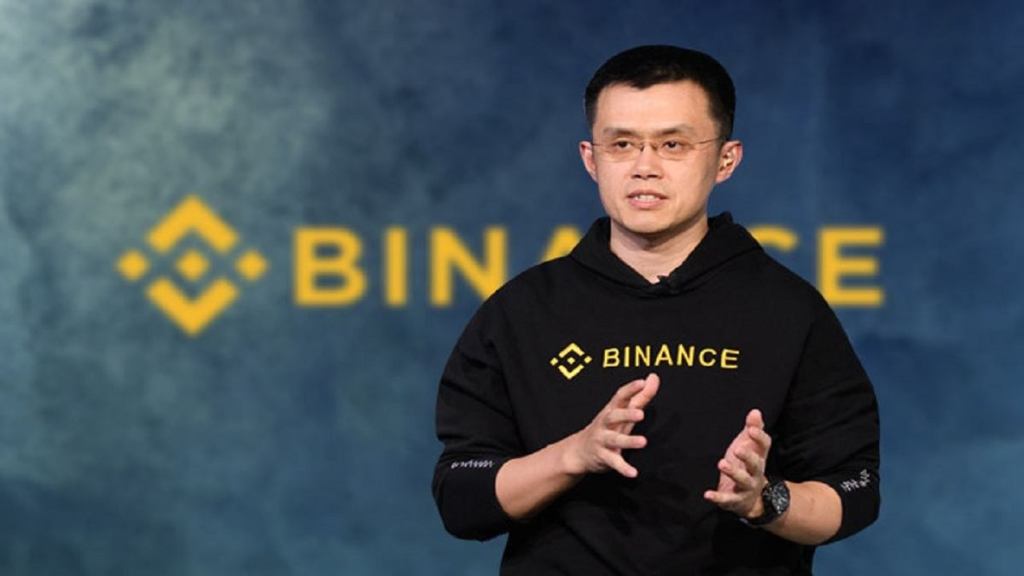
Despite facing significant legal challenges, Changpeng Zhao, the founder and former CEO of Binance, has expressed a steadfast commitment to the cryptocurrency sector following his recent sentencing. Zhao, a pivotal figure in the digital asset world, was sentenced to four months in prison for violations of U.S. anti-money laundering laws but remains optimistic about his future involvement in the industry.
Resilience in the Face of Adversity
On a popular social media platform, Zhao shared his sentiments about the support he received throughout his trial, emphasizing the strength he draws from his community. “I am grateful for everyone’s support through letters, social media, and other means. It has greatly bolstered my spirit during these challenging times. I am prepared to serve my sentence and look forward to focusing on my personal growth and education thereafter,” Zhao articulated.
Unwavering Support for Cryptocurrency
Zhao’s conviction has not dampened his enthusiasm for cryptocurrencies. He plans to maintain his investments passively, suggesting a strong belief in the future of digital assets. “Despite the challenges, I will continue to be an investor in the cryptocurrency sector. We are entering a new era of compliance, which is crucial for our industry’s advancement,” Zhao stated.
The Impact of Legal Scrutiny on Binance
The legal scrutiny has placed Binance under intense examination, which Zhao sees as a beneficial outcome for ensuring operational safety and compliance. He highlighted, “This scrutiny has proven that Binance is committed to safety and compliance, underscoring that our user’s funds are secure.”
Legal Proceedings and Future Outlook
In November, Zhao resigned as CEO of Binance after admitting to the company’s failure in adhering to U.S. anti-money laundering regulations. His legal team pushed for probation, pointing out Zhao’s acceptance of responsibility and his agreement to pay a $50 million criminal fine. However, the prosecution argued for a three-year prison term to reflect the severity of the violations. Ultimately, U.S. District Judge Richard Jones decided on a four-month prison sentence, emphasizing that Zhao had the resources to comply with regulations but failed to do so.
As Zhao prepares to serve his sentence, the cryptocurrency community watches closely, pondering the implications of his case on the broader industry. Despite the setback, Zhao’s ongoing commitment to the sector might inspire confidence among investors and enthusiasts, reinforcing the notion that resilience and compliance are key to navigating the complex landscape of digital finance.
Harnessing Blockchain Technology: Tether’s New Tools for Enhanced Market Monitoring and Security
Tether has teamed up with blockchain analytics leader Chainalysis to introduce a sophisticated monitoring system for its stablecoin in the secondary market. This innovative collaboration aims to elevate market transparency and enforce security measures, underscoring Tether’s commitment to regulatory compliance and proactive market oversight.
Innovative Solutions for Market Oversight
The newly launched tools are designed to provide comprehensive insights into market activities and pinpoint risks associated with illicit transactions. Among the tools announced are:
- Sanctions Monitoring: This feature scrutinizes transactions involving sanctioned entities, ensuring compliance with global regulations.
- Illicit Transfer Detector: Aimed at identifying transactions potentially linked to criminal activities, including terrorism financing, this tool enhances the safety measures already in place.
- Categorization: This function classifies Tether holders by their transactional contexts, such as exchanges or darknet markets, providing clearer insights into the user base.
- Largest Wallet Analysis: Focusing on significant holders of USDT, this tool examines the transaction patterns of major players within the market.
Tether’s CEO, Paolo Ardoino, highlighted the significance of this partnership, stating, “Our collaboration with Chainalysis marks a pivotal step in our ongoing commitment to establishing transparency and security within the cryptocurrency industry. This collaboration reinforces our proactive approach to safeguarding our ecosystem against illicit activities.”
Collaboration and Controversy: Navigating Complex Waters
Tether’s proactive stance extends beyond tool development; the company has actively engaged with regulatory bodies across 43 jurisdictions to tackle illicit activities head-on. However, despite these efforts, Tether has not been without its controversies. Criticisms have been levied at the stablecoin for its alleged connections to criminal undertakings and terrorism financing.
In a notable instance, U.S. Senator Cynthia Lummis and Representative French Hill called for a formal investigation into Tether’s involvement in facilitating transactions linked to terrorist activities, specifically pointing to incidents involving Hamas. Moreover, a report from the United Nations Office on Drugs and Crime underscored the significant role cryptocurrencies, particularly USDT, have played in funding criminal activities across East and Southeast Asia.
Financial Transparency and Market Dominance
Amidst scrutiny, questions about financial transparency persist. With a market capitalization towering at $109.8 billion, Tether significantly outpaces its closest competitor, USD Coin, which has a market cap of $33.9 billion. The substantial gap underscores Tether’s dominant position in the market, though it also highlights the importance of stringent oversight and transparency in its operations.
A Future Focused on Transparency and Security
Tether’s partnership with Chainalysis is a testament to the potential of blockchain technology to foster a safer and more transparent digital currency environment. By integrating advanced analytical tools and engaging with global regulators, Tether not only aims to enhance its own security measures but also sets a benchmark for the industry at large. As the digital currency landscape continues to evolve, such initiatives will be crucial in shaping a regulated and secure market ecosystem.
 Powerbuilding Digital