Fitness / Motivation / Technology & A.I / Crypto

Welcome to Edition 97 of the Powerbuilding Digital Newsletter—your weekly blend of strength, strategy, and future-focused insight. Whether you’re deep in the grind or just getting started, we’re here to fuel your growth across body, mind, and digital opportunity.
We keep things simple, actionable, and relevant—broken down into four focused sections you can plug into instantly:
- Fitness Info & Ideas
This week’s training spotlight includes effective methods for building sustainable strength, plus tips to boost performance without burnout. - Motivation & Wellbeing
Recharge mentally with insights on self-discipline, routine mastery, and simple mindset shifts to help you stay locked in—even on tough days. - Technology & AI Trends
From AI tools reshaping productivity to fresh tech concepts worth watching, we highlight real-world innovation you can actually apply. - Crypto & Digital Asset Trends
No price talk—just the most exciting new apps, Web3 projects, and real use cases that are pushing crypto into the next chapter of utility.
Fitness
Are You Overtraining? Key Signs and How to Recover for Peak Performance

Understanding Overtraining: What It Really Means
In the relentless pursuit of fitness goals, many athletes and gym enthusiasts push themselves to the limit. While dedication is admirable, there’s a fine line between healthy commitment and overtraining. Overtraining occurs when the intensity and frequency of your workouts outpace your body’s ability to recover, leading to diminished performance and a host of physical and mental symptoms. Recognizing the warning signs early is critical for anyone serious about health, strength, and long-term progress.
Physical Signs of Overtraining You Should Never Ignore
- Chronic Fatigue and Persistent Muscle Soreness
One of the first and most noticeable symptoms of overtraining is chronic fatigue. Unlike the normal tiredness after a tough session, this fatigue lingers for days or even weeks. Your muscles may feel sore all the time, and that sense of exhaustion never quite goes away—even after taking a rest day or two. If you wake up feeling tired despite a good night’s sleep, it’s time to reconsider your training intensity.
- Decreased Performance and Plateauing Progress
Are your lifts stagnating, your running times slowing, or your endurance fading? A sudden dip in performance, despite consistent training, can be a red flag for overtraining. Rather than improving, you might find yourself plateauing or even regressing, no matter how hard you try.
- Frequent Illness or Injury
Overtraining compromises your immune system, making you more susceptible to colds, flu, and other illnesses. You may also experience recurring injuries—like nagging tendinitis, sprains, or strains—that never seem to fully heal. If you find yourself sidelined more often than not, your body is likely begging for a break.
- Disrupted Sleep Patterns
Insomnia or restless nights can often signal that you’re pushing your body too hard. Overtraining elevates stress hormones such as cortisol, which can disturb your sleep cycle and leave you tossing and turning at night.
Emotional and Mental Signs of Overtraining
- Mood Swings, Irritability, and Anxiety
Training should lift your mood, not leave you feeling irritable or anxious. Overtraining can throw your hormonal balance out of sync, resulting in mood swings, depression, and increased anxiety. If your passion for fitness starts to feel like a burden, pay close attention.
- Loss of Motivation
Even the most disciplined athletes can lose their drive when overtraining strikes. If you suddenly dread hitting the gym or feel indifferent about your workouts, your mind could be signaling that your body needs rest.
Why Overtraining Happens: Common Causes
- Lack of Recovery: Skipping rest days and neglecting recovery strategies like stretching, foam rolling, and mobility work can quickly lead to burnout.
- Poor Nutrition: Inadequate calorie or protein intake means your muscles don’t get the fuel they need to repair and rebuild.
- Insufficient Sleep: Sleep is when your body does most of its healing. Without enough quality sleep, recovery slows to a crawl.
- High Stress Levels: Life stressors outside the gym can compound the effects of physical stress, making it easier to tip into overtraining territory.
How to Recover from Overtraining and Prevent Burnout
- Prioritize Rest and Recovery
The most important step is to scale back your workouts and allow your body time to heal. Take at least a few days off—or even a full week—depending on the severity of your symptoms. Incorporate active recovery methods like walking, swimming, or gentle yoga to maintain movement without overtaxing your system.
- Fuel Your Body with Proper Nutrition
Focus on a balanced diet rich in lean proteins, complex carbohydrates, and healthy fats. Stay hydrated and consider consulting with a sports nutritionist to ensure you’re meeting your body’s needs, especially during intense training periods.
- Get Quality Sleep
Aim for 7-9 hours of restful sleep each night. Establish a consistent sleep schedule and develop relaxing bedtime routines to enhance your sleep quality. Limit screen time before bed and keep your sleeping environment cool and dark.
- Manage Stress Effectively
Practice stress-reducing techniques such as mindfulness, meditation, or deep breathing exercises. Taking time for yourself outside of training can make a huge difference in how well your body recovers.
- Listen to Your Body
Use training journals or fitness apps to track your workouts, mood, and sleep. Adjust your program as needed and never be afraid to rest if something feels off. Remember, progress is made during recovery—not just in the gym.
When to Seek Professional Help
If symptoms persist even after taking time off and adjusting your habits, it may be wise to consult a healthcare provider or sports medicine specialist. Chronic overtraining can have long-lasting effects if not addressed promptly.
Train Smarter, Not Harder
Reaching your fitness goals requires a balance of effort, recovery, and self-awareness. By watching for the warning signs of overtraining and making recovery a priority, you’ll set yourself up for sustained success and better long-term health. Remember: Sometimes, the best way to move forward is to take a step back and let your body heal.
Motivation
Micro-Habits That Create Massive Life Shifts

Ever heard the phrase “big things come in small packages”? When it comes to transforming your life, nothing is more true than this. Micro-habits—tiny, almost effortless changes you can slip into your day—are the secret weapons of the world’s most successful people. But what exactly are micro-habits, and how do they lead to massive life shifts?
What are Micro-Habits?
Micro-habits are small, actionable steps that take very little effort but, when done consistently, compound into major results. Think of them as seeds you plant today that will become towering trees over time.
The Power of Tiny Changes
Why do small changes work better than huge, all-at-once life overhauls? The answer is simple: they’re easier to stick to. When you lower the “activation energy” needed to get started, you actually begin—and keep going. Over time, these tiny actions add up, often changing the trajectory of your life in surprising ways.
Why Micro-Habits Work
The Science Behind Micro-Habits
Micro-habits work because of something called the compound effect. Just like a penny doubling every day for a month turns into millions, small actions done regularly create massive change. Your brain also resists big changes, but barely notices small tweaks. That means you can sneak self-improvement past your own defenses.
Overcoming Resistance to Change
Ever tried to change everything at once and burned out? Micro-habits avoid that fate. They’re so small that excuses melt away. You can’t talk yourself out of a one-minute habit, right?
How to Identify Powerful Micro-Habits
Self-Awareness and Life Audit
Start by looking at your life as it is. What’s working? What’s not? Grab a notebook and jot down where you want to improve, then pick ONE tiny action in each area.
Finding Small Wins
If your goal is to read more, start by reading just one page a night. Want to eat healthier? Swap one snack for a piece of fruit. The key is to make it laughably easy to start.
Morning Micro-Habits to Start Your Day Right
Making Your Bed
A made bed is a win before you’ve even left the bedroom. It sets the tone for a productive day.
Drinking a Glass of Water
Hydrate first thing in the morning to wake up your body and jumpstart your metabolism.
2-Minute Gratitude Practice
Before diving into emails or scrolling social media, write down (or simply think of) two things you’re grateful for. This shifts your mindset to abundance.
Micro-Habits for Increased Productivity
The 5-Minute Rule
Set a timer and tackle a task for just five minutes. More often than not, you’ll keep going—and even if you don’t, you’ve made progress.
Single-Tasking Instead of Multitasking
Focus on one thing at a time. Turn off notifications and see your efficiency skyrocket.
Micro-Breaks Throughout the Day
Stand up, stretch, or walk around for one minute every hour. It refreshes your mind and keeps your body happy.
Wellness Micro-Habits for Body and Mind
Stretching for 1 Minute Every Hour
Your body was built to move. A minute of stretching can prevent stiffness, boost energy, and improve posture.
Mindful Breathing Techniques
Take three deep breaths before answering a stressful email or entering a meeting. It calms your nerves and brings clarity.
Stand Up and Move
If you work at a desk, set a reminder to stand and shake out your limbs every 30 minutes.
Relationship-Building Micro-Habits
The Power of a Compliment
Share one genuine compliment a day—at work, home, or even with a stranger. It lifts everyone’s mood, including your own.
Daily Check-Ins with Loved Ones
A quick text, a short call, or even a meme sent to someone you care about helps keep connections strong.
Micro-Habits for Financial Growth
Tracking Expenses for 2 Minutes a Day
Open your banking app and note your spending. Awareness is the first step toward control.
The “Spare Change” Rule
Whenever you make a purchase, round up and move the difference to savings. It adds up fast without feeling like a sacrifice.
Micro-Habits for Mental Clarity
Journaling One Sentence Each Night
Don’t have time to keep a diary? Write a single sentence about your day. It helps you process, reflect, and grow.
The “Digital Sunset” Practice
Choose a time each night to put away screens. Let your mind unwind before sleep.
Evening Micro-Habits for Better Sleep
Disconnecting from Screens
Blue light messes with your sleep hormones. Switch to books or calming music an hour before bed.
Setting Tomorrow’s Top 3 Priorities
Write down your top three tasks for tomorrow. This clears your mind and sets you up for a focused start.
How to Build Micro-Habits That Stick
Stacking Habits
Pair a new micro-habit with something you already do. Brush your teeth? Do a quick stretch right after.
The Importance of Triggers
Use cues to remind you. Put your journal on your pillow so you don’t forget to write that nightly sentence.
Tracking Progress and Celebrating Wins
Simple Ways to Measure Micro-Habit Success
Use a habit tracker app or a plain calendar. Cross off each day you succeed.
Rewarding Yourself
Give yourself a pat on the back, a small treat, or some downtime when you hit a streak.
Common Pitfalls and How to Avoid Them
All-or-Nothing Thinking
Missed a day? No big deal. Jump right back in. Progress isn’t about perfection.
Expecting Overnight Results
Micro-habits work slowly—but surely. Trust the process, and the big changes will come.
Real-Life Stories: People Who Changed Their Lives with Micro-Habits
Millions have shifted their lives using micro-habits. From executives who started walking 5 minutes daily and lost 50 pounds, to writers who penned bestselling novels by committing to a page a day, the stories are endless and inspiring.
Conclusion
Massive life shifts don’t always begin with massive action. Instead, true transformation starts with the tiniest steps. Micro-habits let you sneak change past your inner resistance and build momentum with almost no effort. In time, those small changes stack up, shaping your health, wealth, relationships, and happiness. So why not start your journey today? Choose one micro-habit, make it laughably easy, and watch your life shift in ways you never imagined.
Technology & A.I
How Duolingo’s AI-First Strategy Is Transforming Jobs—But Not Eliminating Them

Duolingo’s CEO Addresses AI and Job Security Concerns
In the wake of Duolingo’s announcement to embrace an “AI-first” approach, many have speculated about the future of jobs at the popular language-learning company. However, CEO Luis von Ahn has made it clear: artificial intelligence is not causing widespread job losses at Duolingo. Instead, the company is leveraging AI to redefine how work gets done, challenging employees to adapt and thrive in a technology-driven landscape.
Setting the Record Straight: AI Is Not Replacing Duolingo’s Workforce
After revealing its plan to expand AI-driven operations in a companywide email posted on LinkedIn, Duolingo faced a wave of backlash and rumors. Some users misinterpreted the announcement, assuming that the language-learning platform had laid off large numbers of staff and replaced them with machines. These rumors intensified across social media, prompting von Ahn to clarify the company’s position.
In an interview with the Financial Times, von Ahn emphasized that Duolingo is not replacing its workforce with artificial intelligence. He noted, “Every tech company is doing similar things, but we were open about it. I should have been more clear to the external world.” Von Ahn further reinforced this message in a LinkedIn post, stating that Duolingo continues to hire at the same pace as before, with no mass layoffs due to AI.
Embracing AI to Enhance Work—Not Eliminate Jobs
While Duolingo’s AI strategy has raised questions, von Ahn’s stance is unambiguous: artificial intelligence is a tool to improve workflows and empower employees, not a replacement for human talent. The company is encouraging team members to ask themselves whether their daily tasks could be completed more efficiently with the help of AI. This approach is not about downsizing—it’s about making smarter use of available technology.
Von Ahn admitted that a “very small number of hourly contractors” performing repetitive, manual tasks would be affected by this transition. However, he stressed that these changes are minimal compared to the company’s overall workforce. Most employees, he said, are more curious about how their performance will be measured as they incorporate AI tools into their roles.
Shifting Mindsets: AI as a Collaborative Partner
Duolingo’s leadership is urging staff to see AI as a powerful collaborator rather than a threat. By automating routine and time-consuming tasks, AI allows employees to redirect their energy toward more strategic, creative, and impactful projects. Von Ahn explained, “It’s just a mind shift that people first try AI. It may be that AI doesn’t actually solve the problem you’re trying to solve—that’s fine.”
For engineers at Duolingo, this shift could mean spending less time writing repetitive code and more time overseeing AI-generated development. Designers might evolve into creative directors, using artificial intelligence to generate illustrations that match Duolingo’s unique brand identity.
Accelerating Innovation: Adding Languages with AI
One of the biggest challenges Duolingo has faced over the years is the labor-intensive process of adding new languages to its platform. Historically, this required extensive human effort, but with the introduction of AI, the company anticipates a significant acceleration in language expansion. AI’s capabilities in content generation and natural language processing are expected to streamline curriculum development, making new language courses available to users faster than ever before.
The Future of Work: Adapting to an AI-Driven World
Von Ahn is candid about the transformative impact of artificial intelligence. In a recent LinkedIn post, he wrote, “AI will fundamentally change the way we work—and we have to get ahead of it.” Rather than resisting this evolution, Duolingo is choosing to embrace it, encouraging employees to develop new skills and adopt a forward-thinking mindset.
The company’s approach to AI underscores the importance of adaptability in today’s workforce. As technology reshapes industries worldwide, Duolingo serves as a case study in how companies can integrate advanced tools without sacrificing jobs. By empowering employees to harness AI for creative and strategic initiatives, Duolingo demonstrates that innovation and job security can coexist.
AI and Human Ingenuity, Working Together
Duolingo’s AI-first strategy is a bold step toward the future of language learning. Despite misconceptions, the company remains committed to its employees, using artificial intelligence to enhance productivity and drive growth—not to replace its workforce. As von Ahn and his team continue to adapt, Duolingo stands as a model for how organizations can leverage AI to unlock new possibilities while supporting and valuing human contribution.
Disney and NBCUniversal File Landmark Lawsuit Against Midjourney Over AI Copyright Infringement
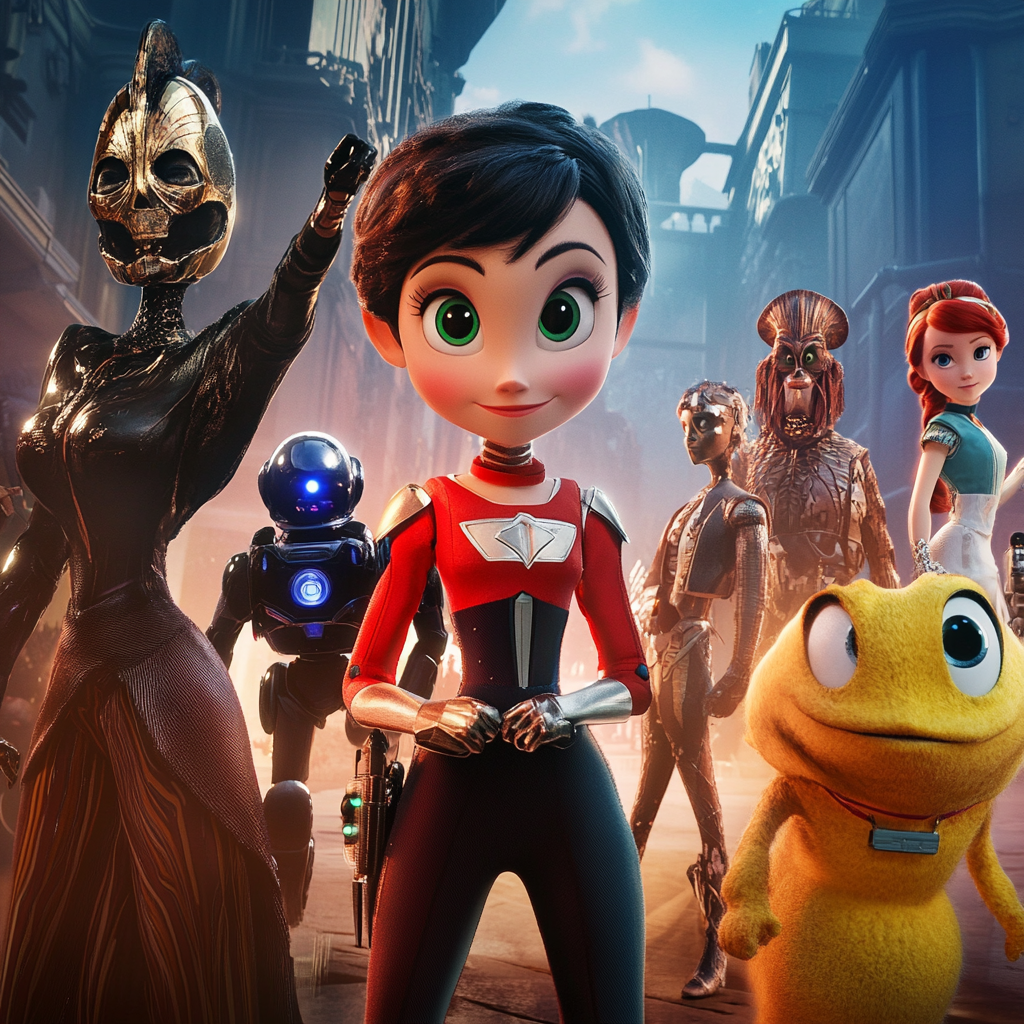
Major Film Studios Take Legal Action Against AI-Generated Copyright Infringement
The entertainment industry witnessed a groundbreaking legal development this week as The Walt Disney Company and NBCUniversal jointly filed a lawsuit against Midjourney, an artificial intelligence company renowned for its image-generation technology. The lawsuit, lodged in the U.S. District Court in Los Angeles, marks the first significant legal strike by Hollywood studios against an AI company for alleged large-scale copyright violations.
Allegations of Mass Copyright Violations by Midjourney
According to the legal complaint, Midjourney’s AI image generator operates much like a “virtual vending machine,” effortlessly producing unlimited unauthorized copies of protected characters and artwork. Disney and NBCUniversal accuse Midjourney of enabling users to create and download images featuring iconic characters—such as Disney’s Darth Vader and NBCU’s Minions—without obtaining proper licensing or making any investment in the creative process.
The studios assert that Midjourney’s service constitutes blatant copyright infringement. In their words, “Piracy is piracy, and whether an infringing image or video is made with AI or another technology does not make it any less infringing.” The lawsuit seeks maximum statutory damages, a full account of profits derived from the alleged infringement, and a court order to halt the infringing activities.
How AI Models and Copyright Collide
A key issue at the heart of this lawsuit is the use of copyrighted works to train AI models—a subject currently sparking fierce debate across the tech and creative industries. The complaint points out that Midjourney’s platform, which allows subscribers to simply type prompts such as “Darth Vader in a specific setting,” instantly generates high-quality downloadable images, often indistinguishable from official studio creations.
Disney and NBCUniversal also highlighted that Midjourney is actively developing a new video-generation feature, raising concerns that copyright infringement may soon extend from static images to moving pictures.
Legal and Industry Reactions: Is Copyright Law Enough?
The Motion Picture Association (MPA), which represents the interests of major studios, has argued that current copyright law is sufficient to address these new challenges brought by AI, so long as courts retain the flexibility to interpret “fair use” in the context of AI training. This case, however, is presented by Disney and NBCU as a clear-cut example of infringement, stating, “This case is not a ‘close call’ under well-settled copyright law.”
The complaint stresses that Midjourney monetizes access to its service through paid subscriptions, which allow consumers to generate and download copyrighted content at will—a textbook case of copyright violation, according to the plaintiffs.
Studios Demand Greater Accountability and Preventive Measures
In the lead-up to the lawsuit, the studios claim they repeatedly requested Midjourney to introduce safeguards to prevent its AI from generating images of copyrighted characters. However, these requests were allegedly ignored. Instead, Midjourney continued to enhance its image service, producing even more lifelike representations of protected characters, according to statements by the company’s founder.
Industry Leaders Weigh In: The Value of Intellectual Property
Disney’s Horacio Gutierrez, senior executive vice president and chief legal and compliance officer, emphasized the critical role of intellectual property rights in the creative industry. “Our world-class IP is built on decades of financial investment, creativity, and innovation—investments only made possible by the incentives embodied in copyright law that give creators the exclusive right to profit from their works,” Gutierrez stated. While expressing optimism about AI’s potential, he made it clear that unauthorized use of protected works remains unacceptable.
NBCUniversal’s executive vice president and general counsel, Kim Harris, echoed this sentiment: “Creativity is the cornerstone of our business. We are bringing this action today to protect the hard work of all the artists whose work entertains and inspires us and the significant investment we make in our content. Theft is theft regardless of the technology used, and this action involves blatant infringement of our copyrights.”
The Larger Legal Landscape: AI, Content, and Copyright Law
The lawsuit against Midjourney is part of a wider trend, with several high-profile cases—including those brought by The New York Times and best-selling authors—challenging the use of copyrighted materials by AI companies for training data. However, Disney and NBCU contend that Midjourney’s approach is more overt and direct than others in the AI space, leaving little ambiguity regarding copyright infringement.
The outcome of this case could set a significant precedent for how copyright laws are applied to artificial intelligence technologies, especially as AI-generated content becomes increasingly sophisticated and difficult to distinguish from original works.
The Road Ahead: A Defining Moment for AI and Copyright
The studios have enlisted the legal expertise of David Singer, Julie Shepard, and Lauren Greene of Jenner & Block to argue their case. As Congress continues to debate potential new regulations for artificial intelligence, the results of this lawsuit could have far-reaching implications for the creative industries, technology companies, and everyday users of AI-powered tools.
As AI technology evolves and continues to blur the lines between original creation and automated imitation, the legal battles unfolding today will help define the boundaries of creativity, ownership, and fair use in the digital age.
Meta’s $15 Billion Bid for AI Superintelligence: What It Means for the Future of Artificial Intelligence

Meta Platforms, the tech giant formerly known as Facebook, is set to make headlines with a monumental $15 billion investment aimed at developing computerised superintelligence. According to multiple sources, Mark Zuckerberg, Meta’s CEO, will soon announce the company’s acquisition of a 49% stake in Scale AI—a rapidly growing artificial intelligence startup led by Alexandr Wang and co-founded by Lucy Guo. Industry analysts are calling this a “wartime CEO” move, signaling Meta’s intent to reclaim its position as a leader in the global artificial intelligence race.
The Growing Competition in Artificial Intelligence
The competition among Silicon Valley’s biggest tech companies to dominate artificial intelligence has intensified over recent years. Despite considerable hype, many existing AI systems have struggled to deliver consistent results, especially when facing highly complex or novel challenges. Yet, the drive toward superintelligence—a level of AI that can outperform humans at every task—remains the ultimate goal for leading innovators.
Currently, the industry is still working towards achieving artificial general intelligence (AGI), where machines can match or exceed human capability across a broad range of tasks. Recent studies highlight that mainstream AI systems often falter when given intricate problems, revealing the considerable gap between today’s technology and the vision of true superintelligence.
Meta’s Strategic Shift After the Metaverse
Observers see Meta’s pursuit of superintelligence as an effort to regain momentum in the artificial intelligence sector after its significant investment in the Metaverse did not yield the expected results. The company faced heavy criticism and skepticism after its virtual reality ambitions fell flat, especially as competitors like OpenAI and Google have made notable strides in the AI space. Meta’s acquisition of Scale AI signals a pivot towards a more tangible and potentially lucrative technology frontier.
Scale AI: A Rising Star in the AI Industry
Founded by Alexandr Wang at just 28 years old, Scale AI has quickly become a major player in artificial intelligence. Earlier this year, Wang inked a deal to help the U.S. Department of Defense develop ThunderForge, an advanced AI system designed to support military planning and operations for U.S. Indo-Pacific and European Commands. Scale AI’s credibility is further solidified by early investments from Peter Thiel’s Founders Fund and its impressive track record of innovation.
With this new partnership, reports suggest that Wang will assume a senior leadership role within Meta, further aligning both companies’ visions for the future of AI.
Calls for Transparency and Global Collaboration
Meta’s aggressive pursuit of superintelligence has sparked renewed calls from European leaders and technology experts for greater transparency and collaboration in AI research. Many argue for the establishment of a European AI organization modeled after CERN, the renowned nuclear research institution in Switzerland. Such an initiative, they say, would promote robust, open development of AI technologies while fostering public trust.
Michael Wooldridge, Professor of Artificial Intelligence at the University of Oxford, emphasized the need for open collaboration. “There’s a strong argument for creating a CERN for AI, where governments work together to develop the technology openly and robustly. Trust and understanding can only grow if AI development isn’t conducted behind closed doors,” Wooldridge stated.
The Challenges and Realities of Achieving AGI
While Meta’s $15 billion bet underscores the tech world’s enthusiasm for AI, experts caution that achieving artificial general intelligence—and ultimately superintelligence—remains a distant goal. Current AI systems often demonstrate impressive capabilities but can fail at tasks considered trivial for humans.
Wooldridge points out, “Today’s AI can perform some genuinely remarkable feats, but it still stumbles on simple problems that even a high school student could solve.” This inconsistency highlights the challenge ahead and the importance of patient, transparent development.
Meta’s Unique Approach to Artificial Intelligence
Unlike other AI pioneers such as OpenAI and Anthropic, for whom AI is the core business, Meta sees AI as a powerful enabler for its existing suite of products and services. Dr. Andrew Rogoyski, Director of Partnerships and Innovation at the Institute for People-Centred AI at Surrey University, notes that Meta’s approach allows the company to take a longer-term perspective. “AI enables Meta’s business, but it’s not the business itself. They’re not as desperate to achieve AGI and can afford to think long-term,” Rogoyski explains.
He also points out that the industry is witnessing intense competition for AI talent, with leading companies acquiring startups and recruiting from university research labs at an unprecedented pace.
What’s Next for Meta and the Future of AI?
While Meta has declined to comment officially, the implications of its partnership with Scale AI are far-reaching. If successful, Meta’s $15 billion investment could reshape the landscape of artificial intelligence, accelerate progress toward superintelligence, and reignite the company’s reputation as a technology pioneer.
At the same time, the move has intensified global debates about transparency, ethics, and public trust in AI. As governments and research institutions consider collaborative frameworks for open AI development, the next few years will be critical in determining who leads—and how the world manages—the AI revolution.
Nvidia CEO Jensen Huang Challenges AI Job Loss Fears: Why AI Will Transform, Not Destroy, White-Collar Careers

The AI Job Debate Heats Up
Artificial Intelligence is at the heart of a heated global debate: Will it obliterate millions of white-collar jobs, or does it offer an opportunity to reshape the future of work? Recently, Nvidia’s visionary CEO Jensen Huang publicly pushed back against the dire predictions of Anthropic CEO Dario Amodei, sparking a conversation about how AI will impact employment in technology, finance, law, and beyond.
Dario Amodei’s AI Job Loss Warning
Dario Amodei, CEO of Anthropic and a key thought leader in generative AI development, made headlines after warning that artificial intelligence could eliminate up to half of all entry-level white-collar positions. In an interview with Axios, Amodei projected a 20% spike in unemployment over the next five years, specifically citing risks to jobs in law, finance, technology, and consulting. Amodei pressed for governments to face the reality and stop “sugarcoating” AI’s disruptive impact, calling for urgent regulatory and policy responses.
Jensen Huang’s Optimistic Counterpoint
But Nvidia’s Jensen Huang, a pioneer in the AI hardware revolution, isn’t buying the doomsday scenario. Speaking at VivaTech 2025 in Paris, Huang was direct: “I pretty much disagree with almost everything he says,” he remarked, referencing Amodei’s outlook. Huang even questioned the motivations behind some of these warnings: “He thinks AI is so scary, but only they should do it,” Huang said, highlighting what he sees as a push for exclusivity and control over AI’s development.
AI Will Reshape, Not Erase, Careers
According to Huang, artificial intelligence will undoubtedly change jobs—but that’s not the same as destroying them. “If you want things to be done safely and responsibly, you should do it in the open,” Huang emphasized, comparing the responsible development of AI to medical research that relies on transparency and peer review.
Huang also challenged the notion that AI adoption is prohibitively expensive or out of reach for most industries. “I believe AI is not that expensive. Do I think AI will change jobs? It will change everyone’s — it’s changed mine,” he said, sharing how even his role as CEO has evolved with the rapid integration of AI technology.
AI’s Role in Upskilling and Opportunity
Supporting Huang’s optimism, Cognizant CEO Ravi Kumar recently told Business Insider that AI offers tremendous potential for new job opportunities, particularly for recent graduates. AI can reduce the need for deep specialization in many fields, enabling faster upskilling and empowering more people to enter high-demand roles.
“AI will open doors for people without years of experience,” Kumar explained, suggesting that the technology will democratize access to knowledge and accelerate career advancement in the workforce.
The Current Impact: Disruption and Transition
While there is enthusiasm about AI’s ability to create opportunity, there is no denying the disruption already underway. Data shared by Revelio Labs shows that since January 2023, there has been a significant decline in job postings for roles most exposed to AI, such as IT specialists and data engineers. These shifts indicate that companies are already rethinking their workforce strategies in response to automation and intelligent systems.
However, rather than signaling mass unemployment, many experts interpret these trends as evidence of a transition—from repetitive, rules-based tasks to more strategic, creative, and human-centric roles.
The Need for Transparency in AI Development
A key theme in Huang’s argument is the importance of transparency and openness in AI research and deployment. He suggests that, just like in medical innovation, the best way to ensure safe, ethical, and beneficial outcomes is through collaboration, peer review, and public accountability.
This stance stands in contrast to voices calling for tighter control or proprietary restrictions, which Huang believes could hinder both safety and progress in the AI sector.
The Bottom Line: Evolution, Not Apocalypse
As AI continues to evolve at a rapid pace, the future of work will be shaped not just by algorithms and automation, but by the ability of companies, governments, and individuals to adapt and embrace change. While some jobs will be altered or replaced, others will emerge—often in areas that require distinctly human skills such as critical thinking, empathy, creativity, and ethical judgment.
Jensen Huang’s view is clear: AI will transform the workplace, but it is not a threat to human employment itself—provided that development is handled responsibly, transparently, and inclusively.
Navigating the AI Revolution
The debate between Dario Amodei and Jensen Huang reflects a broader conversation about the impact of artificial intelligence on the global workforce. While disruption is real, leaders like Huang and Kumar see AI as a catalyst for opportunity, not destruction.
As companies and individuals prepare for the next wave of automation and intelligent systems, the focus should remain on lifelong learning, upskilling, and openness to change. The coming years will not just be about jobs lost or saved, but about how we reinvent work to unlock the full pote
Unlocking the Safe and Effective Use of AI in Education: A Comprehensive Leadership Guide

Artificial intelligence (AI) is rapidly transforming the educational landscape. This week, the Department of Education released its pivotal Safe and Effective Use of AI in Education: Leadership Toolkit to empower educators, administrators, and school leaders in integrating AI technologies thoughtfully and responsibly. This guide not only highlights AI’s ability to personalise instruction and support inclusive classrooms, but it also addresses the crucial need to mitigate risks and unintended consequences associated with AI in schools.
Harnessing the Power of AI for Personalised Learning
A core focus of the Leadership Toolkit is AI’s remarkable capacity for personalised learning. AI-powered educational tools can adapt materials and content to match each student’s unique needs, learning pace, and abilities:
- Simplifying Complex Texts: AI can break down challenging reading materials, making lessons accessible for students with lower literacy levels, ensuring they remain actively engaged and included.
- Support for English Language Learners: Students learning English as an additional language benefit from real-time translations and customised resources, enabling them to grasp lessons more effectively and feel a sense of belonging.
- Empowering Special Needs Education: For students with special educational needs and disabilities (SEND), AI-driven assistive technologies—such as speech-to-text or scene-description tools—can facilitate participation and independence in classroom activities. These innovations help visually impaired students or those struggling with writing to thrive alongside their peers.
AI’s multilingual capabilities further bridge communication gaps, fostering not only inclusive classrooms but also stronger connections with families from diverse backgrounds.
Reducing Teacher Workloads with Smart AI Solutions
Teachers are often overwhelmed by administrative tasks and content creation. The Leadership Toolkit emphasises how AI in education can significantly reduce teacher workloads by automating repetitive tasks:
- Generating Lesson Plans and Quizzes: AI can quickly create lesson plans, quizzes, and differentiated worksheets tailored to a range of abilities, freeing up valuable time for teachers to focus on student engagement and creative teaching.
- Automated Feedback and Assessment: AI-driven systems can review student work, flag recurring errors, and offer suggestions to strengthen arguments or clarify concepts. In large classes, this ability to provide timely, individualised feedback can be transformative—helping teachers intervene more quickly and effectively.
However, it’s vital for teachers to review all AI-generated feedback to ensure accuracy, relevance, and alignment with curriculum objectives. As education expert Daisy Christodoulou notes, instant feedback enables educators to close knowledge gaps and adapt instruction dynamically—creating a more responsive, student-centered learning environment.
Closing Leadership Knowledge Gaps for Strategic AI Implementation
Despite the promise of AI, the toolkit points out a significant challenge: many education leaders lack the theoretical and pedagogical expertise to make informed decisions about adopting AI in schools. The pressure to adopt new technologies can sometimes overshadow a deeper understanding of how AI fits with educational goals.
Rose Luckin, emeritus professor of learner-centred design at UCL London, advises educators to “learn fast, but act more slowly.” She stresses the importance of building knowledge about AI before making purchasing decisions or implementing new tools. Educators should not feel pressured to adopt AI until they are clear on how it will serve their students’ needs and support their school’s mission.
This approach ensures that AI adoption is strategic and aligned with educational best practices, rather than driven by trends or external pressures.
Understanding the Risks and Unintended Consequences of AI in Schools
While the benefits of AI in education are substantial, the toolkit also identifies several risks that schools must carefully manage:
1. Over-reliance on AI Tools
Students may bypass key learning processes, such as problem-solving and writing, if they rely too heavily on AI for answers or assignments. This can hinder their skill development and critical thinking abilities.
2. Bias in AI Systems
AI models are trained on vast datasets that may contain historical or cultural biases. As a result, AI-generated content can inadvertently reinforce stereotypes or marginalise diverse perspectives. For instance, AI might produce a one-sided history lesson unless carefully curated.
3. Inaccuracy and Hallucination
AI systems can generate plausible but incorrect or misleading information—a phenomenon known as “hallucination.” For example, fabricated facts or misinterpreted scientific concepts can enter the classroom if AI outputs are not thoroughly vetted. A recent high-profile warning from Dame Victoria Sharp in the legal field highlights the dangers of relying on unverified AI outputs.
4. Ethical and Data Privacy Issues
Using student data to train AI systems without proper consent can violate privacy laws and intellectual property rights. Educators must comply with regulations such as UK GDPR and avoid scanning copyrighted resources without permission.
5. Diminished Human Interaction
Teaching thrives on empathy, relational connections, and tailored support. Over-reliance on AI for routine tasks can erode these personal interactions, diminishing the human touch that motivates and inspires students.
Best Practices for Implementing AI in Education
To maximise the benefits of AI while minimising its drawbacks, the Leadership Toolkit recommends several best practices for safe and effective AI integration:
- Ensure Human Oversight: Always have teachers and school leaders review and approve AI-generated content to maintain educational integrity.
- Promote Critical Thinking: Incorporate activities that encourage students to fact-check and evaluate AI outputs, strengthening their analytical skills and media literacy.
- Use AI as a Supplement, Not a Replacement: AI should enhance traditional teaching, not replace it. For instance, teachers might use AI for generating lesson outlines but retain control over interactive and discussion-based learning.
- Invest in Professional Development: Provide regular training and resources so teachers feel confident using AI tools safely and effectively.
- Start Small, Scale Wisely: Launch pilot projects in targeted areas—such as personalised learning resources or automated grading—before expanding AI adoption school-wide.
Leading the Future of AI in Education with Caution and Vision
The Safe and Effective Use of AI in Education: Leadership Toolkit serves as an essential resource for educators and school leaders navigating the rapidly evolving world of educational technology. AI holds the potential to revolutionise teaching and learning—making classrooms more inclusive, personalised, and efficient. However, the true benefits of AI can only be realised through thoughtful, ethical, and strategic implementation.
By understanding both the opportunities and the risks, educational leaders can chart a path forward that empowers students, supports teachers, and maintains the essential human heart of education.
Air Combat: Saab’s Gripen E Fighter Integrates Centaur AI for Advanced Beyond-Visual-Range Warfare

The world of military aviation is on the brink of a transformation as Saab’s Gripen E fighter jet embarks on test flights equipped with a cutting-edge artificial intelligence (AI) agent, Centaur. Developed as part of a Swedish government-funded initiative, this AI-powered technology promises to reshape air-to-air combat, offering autonomous decision-making in high-stakes, beyond-visual-range (BVR) scenarios. This innovation not only positions the Swedish Air Force at the forefront of AI integration in defense but also sets a benchmark for future fighter programs globally.
Centaur AI: Seamless Integration and Revolutionary Capabilities
One of the standout features of the Gripen E’s AI journey is the effortless integration of Centaur, enabled by the aircraft’s open-architecture avionics. Unlike traditional upgrades that require major modifications, Centaur can be deployed swiftly into the Gripen E fleet. Saab, collaborating with German AI specialist Helsing, leads the initiative under Project Beyond—a program designed to advance artificial intelligence in military aviation, supported by Sweden’s Defense Materiel Administration (FMV).
Milestone Test Flights: AI vs. Human in Beyond-Visual-Range Combat
Saab recently announced the successful completion of three pivotal test flights featuring the Centaur-equipped Gripen E. These sorties marked a significant leap forward in AI-driven aerial warfare. The inaugural flight took place on May 28, and by the third test on June 3, Centaur demonstrated its ability to independently engage in complex BVR combat against a piloted Gripen D.
During these dynamic simulations, Centaur autonomously interpreted sensor data, executed advanced maneuvers, and provided precise firing cues to the test pilot. Both aircraft were supported by an airborne early warning and control (AEW&C) platform, enhancing targeting and command-and-control capabilities. Scenarios tested Centaur’s performance across varying distances, speeds, and operational contexts, including situations where command-and-control data was deliberately withheld to evaluate the AI’s resilience.
Unlocking Human-Machine Collaboration in Modern Warfare
Saab’s leadership emphasizes that AI is augmenting, not replacing, the role of the human pilot. According to Johan Segertoft, head of Saab’s Gripen business unit, the goal is to empower pilots with more cognitive bandwidth: “With the assistance of an AI BVR agent, the commander can focus on broader tactical decisions while the aircraft handles intricate combat maneuvers.” Marcus Wandt, Saab’s Chief Innovation Officer and a test pilot, highlighted that while skilled pilots still stand a chance against AI-enabled adversaries, this balance is shifting rapidly as AI capabilities accelerate.
Accelerated Learning: Centaur’s Exponential Growth
The Centaur AI agent brings an unprecedented pace of learning and adaptation to the battlefield. During the third test flight, Centaur accumulated the equivalent of 50 years of pilot experience in mere hours—an achievement only possible in the virtual domain. This rapid iteration enabled Centaur to refine its decision-making in BVR scenarios, which Saab likens to “playing chess at supersonic speeds with advanced missiles.” Such intensive virtual training translates into superior real-world performance and faster capability gains for the Swedish Air Force.
Next Steps: Expanding the Scope of AI in Air Combat
Looking forward, Project Beyond will continue with additional test flights, potentially introducing AI-enabled Gripens in simulated team battles against human-piloted adversaries. Saab also plans to extend Centaur’s utility to within-visual-range (WVR) combat, even though BVR remains the most strategically vital in modern conflicts—a fact underscored by recent air warfare developments in Ukraine.
For a smaller force like the Swedish Air Force, deploying AI-driven tactics and technologies provides a crucial advantage in deterring and countering larger adversaries, such as the threat posed by Russia. AI agents like Centaur can help prioritize multiple threats, manage high-speed engagements, and deliver optimal combat solutions when armed with advanced missiles like the Meteor BVR.
Influence on Sweden’s Future Fighter Program and Global Implications
Even if Centaur does not reach frontline deployment in current Gripens, the knowledge gained from this program will directly inform Sweden’s next-generation fighter initiatives. The flexibility to quickly update and enhance the AI model is a cornerstone of Centaur’s success, allowing for continuous evolution in response to emerging threats.
Centaur’s development underscores the adaptability of the Gripen E’s software, with the AI agent transitioning from simulation to live flights in just six months. This rapid development cycle highlights how trustworthy AI can be harnessed to confront future threats and offers export opportunities for the Gripen E and the two-seat Gripen F.
International Context: Comparing U.S. and Swedish AI Fighter Initiatives
Saab’s approach to integrating AI stands out from similar U.S. efforts. While the U.S. Air Force relies on specialized experimental platforms like the AI-piloted F-16 X-62A VISTA—operating strictly within test ranges—Saab’s solution is fully compatible with operational Gripen Es. The U.S. is also advancing its Collaborative Combat Aircraft (CCA) program, aiming to field fleets of autonomous drones to operate alongside manned jets under initiatives like Project VENOM and NGAD (Next Generation Air Dominance).
These American programs, alongside Sweden’s Centaur project, are rapidly shaping the future of air combat by introducing advanced autonomy and machine learning into military aircraft, influencing a wide range of defense applications.
Shaping the Future of Aerial Warfare
The successful integration of Centaur AI into Saab’s Gripen E marks a pivotal moment in the evolution of aerial combat. As AI agents become more adept and autonomous, the synergy between human pilots and machine intelligence will define the next generation of military aviation. With Project Beyond, Sweden and its partners are not only securing their airspace but also setting the stage for a future where AI-driven tactics and rapid innovation are the norm. The ongoing development and real-world testing of Centaur offer a glimpse into how air forces worldwide will train, fight, and prevail in the digital age of warfare.
Crypto
USDC Stablecoin Launches on XRP Ledger: What It Means for Crypto, Finance, and the US Dollar

Circle’s USDC stablecoin, a leading overcollateralized dollar-pegged token, has officially launched on the XRP Ledger (XRPL), opening up significant opportunities for users of this advanced layer-1 blockchain network. This move is poised to redefine how stablecoins interact with established blockchain infrastructures and could have far-reaching impacts on digital asset transfers, decentralized finance (DeFi), and the broader adoption of stablecoins.
Ripple and Circle Drive USDC Integration: Enhancing Cross-Chain Liquidity
The recent announcement from Ripple highlighted the core benefits of bringing USDC to the XRPL ecosystem. One of the standout features is the ability for investors and crypto users to employ XRP as a bridge currency, enabling seamless stablecoin transfers across decentralized exchanges (DEXs) with the XRPL’s powerful auto-bridging mechanism. This innovation boosts cross-chain liquidity and enhances trading efficiency across the crypto ecosystem.
Markus Infanger, Senior Vice President at RippleX, commented on the importance of stablecoins, stating, “Stablecoins are key entry points connecting traditional financial markets with the crypto space—essential for use cases focused on utility rather than speculation.” This statement underscores how USDC’s presence on XRPL extends beyond trading, setting the stage for more mainstream and practical adoption.
USDC on XRPL: A Milestone Amid Stablecoin Regulatory Developments
The arrival of USDC on the XRP Ledger comes at a time when the stablecoin market is under heightened scrutiny and regulation in the United States. As the sector grows—now boasting over $237 billion in market capitalization—stablecoins have become central to debates on financial innovation, global competitiveness, and monetary policy.
The rapid growth of stablecoins is prompting US lawmakers to consider comprehensive regulations, with the aim of ensuring stability and trust within the digital currency landscape. These regulatory discussions reflect stablecoins’ rising significance in the modern financial ecosystem, especially as they relate to US dollar dominance and international monetary affairs.
Stablecoins: A Strategic Tool Against De-Dollarization Risks
Overcollateralized stablecoins like USDC are typically backed by highly liquid assets such as short-term US Treasury bills. By holding these government securities, stablecoin issuers not only ensure the safety and stability of their digital dollar tokens but also collect yield from these assets as profit.
This strategy has attracted the attention of US policymakers. With increasing concerns over “de-dollarization”—the trend where foreign governments reduce their holdings of US debt due to creditworthiness worries—stablecoins are now viewed as a strategic buffer. As some nations move to offload US government bonds, bond yields rise, and the costs of servicing America’s $36 trillion national debt escalate. This can set off a vicious cycle: higher yields mean more government spending on interest, which increases the debt burden and the need to monetize even more debt to balance the budget.
White House Prioritizes Stablecoin Innovation for Dollar Strength
During the White House Crypto Summit on March 7, US Treasury Secretary Scott Bessent emphasized the need to prioritize stablecoin innovation as part of a broader strategy to maintain the global appeal of the US dollar. By expanding the role of stablecoins like USDC, the US aims to strengthen dollar salability, increase global demand, and ultimately bolster the position of the dollar in the international financial system.
Critics Weigh In: Can Stablecoins Save the Dollar?
Despite these government initiatives, not everyone is convinced. Prominent Bitcoin advocate Max Keiser and other critics argue that using stablecoins to prop up the demand for the US dollar only postpones the dollar’s long-term decline. According to them, the inherent issues with fiat money—such as inflation and unchecked monetary expansion—are not solved by simply tokenizing the dollar.
Keiser suggests that stablecoins backed by gold, rather than fiat, will eventually outperform dollar-pegged tokens. He cites gold’s high stock-to-flow ratio as a primary advantage, as it resists rapid inflation and retains its purchasing power over time—qualities that dollar-based assets struggle to match, especially in an era of rising debt and fiscal uncertainty.
The Future of Stablecoins: USDC, XRP, and Beyond
The integration of USDC on the XRP Ledger is more than just a technical upgrade; it marks a new chapter in the intersection of digital assets, traditional finance, and global currency competition. With enhanced cross-chain functionality, greater regulatory attention, and growing debate about the future of fiat versus gold-backed stablecoins, the evolution of stablecoins is only just beginning.
Investors, regulators, and crypto enthusiasts alike should closely monitor the performance of USDC on XRPL and the broader implications for stablecoin adoption worldwide. As digital finance matures, stablecoins will remain a key battleground for innovation, regulation, and the ongoing struggle for monetary supremacy in the digital age.
Crypto’s Growing Power in U.S. Politics: How Digital Assets Are Shaping Election Strategies

The Rising Influence of Cryptocurrency in Politics
Cryptocurrency is rapidly emerging as a significant force in the American political arena. According to David Plouffe, former advisor to Vice President Kamala Harris and President Barack Obama, crypto now acts as an “important lever” in the political landscape. Speaking at the Coinbase State of Crypto Summit in New York, Plouffe highlighted the transformative potential of digital assets in shaping election outcomes and campaign strategies.
Coinbase Assembles a High-Profile Advisory Council
Earlier at the summit, Coinbase made headlines by announcing that Plouffe had joined its Global Advisory Council. This diverse council brings together notable leaders, including former Independent Senator Kyrsten Sinema, former Defense Secretary Mark Esper, Republican strategist Chris LaCivita, and former Republican Senator Patrick Toomey. The council’s creation demonstrates Coinbase’s commitment to navigating the complex intersection of cryptocurrency regulation, innovation, and policy.
Crypto as a Gateway to Voter Engagement
Plouffe emphasized that digital assets offer politicians new opportunities to engage with previously untapped voter groups. “If you’re a politician running for office, the ability to connect with crypto enthusiasts—especially those who may have never voted before—is powerful,” Plouffe explained. He pointed out that while cryptocurrency may serve as an initial point of contact, it can naturally lead to broader discussions about key policy issues like the economy, education, and healthcare. This evolving voter base could significantly impact future elections as crypto adoption continues to expand.
Crypto’s Role in the 2024 Elections
The 2024 U.S. election cycle saw cryptocurrency take center stage in political debates. The Biden administration, often perceived as taking a cautious or even adversarial stance towards digital assets, faced criticism from both crypto advocates and industry leaders. Regulatory agencies like the Securities and Exchange Commission (SEC) took a conservative approach, prompting intense discussions about the future of digital asset regulation in the United States.
During her campaign, Vice President Kamala Harris assured voters that her administration would support innovation in fields such as artificial intelligence and blockchain, while still prioritizing consumer protection. In contrast, former President Donald Trump positioned himself as a champion of cryptocurrency, promising to halt what he called an “unlawful, un-American crackdown” on the industry.
Political Spending and Crypto Lobbying
Organizations such as Stand With Crypto, backed by Coinbase, played an influential role in the 2024 elections. The group invested millions to support pro-crypto candidates and maintain a public scorecard tracking lawmakers’ stances on digital assets. This proactive approach underscores how cryptocurrency is no longer just a technological innovation, but a political force capable of shaping national policy.
Trump’s Relationship with Cryptocurrency: A Divisive Issue
Donald Trump’s public support for cryptocurrency has sparked both enthusiasm and controversy. The former president’s close association with World Liberty Financial—a company that launched its own stablecoin—and his endorsement of a Trump-branded memecoin generated strong reactions across the political spectrum. Trump even hosted an exclusive dinner for top holders of his branded crypto token, further fueling debate about the intersection of personal brand, politics, and digital currency.
During a panel discussion, Plouffe acknowledged the tensions surrounding Trump’s crypto activities, particularly in the presence of Chris LaCivita, co-manager of Trump’s presidential campaign. “There’s no doubt there is some conflict, Chris, with all due respect—like the dinner that was held,” Plouffe remarked, highlighting the complicated optics such events can create for candidates and parties alike.
Embracing the Future: Political Parties Adapt to Digital Assets
Chris LaCivita responded by underscoring the novelty and excitement surrounding cryptocurrency. “Anytime you’re given an opportunity to embrace something as new as that, it’s an exciting time. Of course, you have to do your due diligence,” LaCivita explained. He noted that Trump’s wholehearted embrace of digital assets surprised many observers and signaled a willingness to innovate and adapt to changing voter interests.
What the Rise of Crypto Means for Future Elections
The growing influence of cryptocurrency in American politics is undeniable. From campaign fundraising to voter engagement and policy debates, digital assets are reshaping the way candidates run for office and connect with the public. As regulatory frameworks continue to evolve and more political figures recognize the strategic value of crypto, the 2024 election cycle may be remembered as a turning point for the industry.
Crypto and Politics Are Becoming Inseparable
As the U.S. political landscape becomes increasingly intertwined with digital assets, politicians, voters, and industry leaders alike must adapt to this new reality. Whether it’s through advisory councils, grassroots campaigns, or headline-grabbing endorsements, cryptocurrency is now a central issue in national elections. As innovation accelerates and adoption grows, crypto’s role in shaping the future of American democracy will only become more pronounced.
Bitcoin Megatrend: Why Public Companies Are Turning to Bitcoin as the US Dollar Weakens

The Rise of Bitcoin as a Corporate Treasury Asset
In recent years, a significant financial trend has emerged: major corporations are increasingly turning to Bitcoin as a core component of their treasury strategies. This shift is largely driven by mounting concerns over the weakening US dollar, fueled by aggressive money printing, expanding deficits, and global economic uncertainty. As traditional methods of safeguarding corporate cash lose their appeal, Bitcoin is fast becoming the preferred solution for protecting wealth against currency depreciation.
Why Public Companies Are Buying Bitcoin
Corporate finance teams around the world have long relied on US Treasuries and cash accounts as safe havens for excess cash. However, with inflation rising and fiscal deficits ballooning, these instruments no longer offer the security they once did. The relentless expansion of the US money supply has made holding cash riskier, prompting financial leaders to seek alternative stores of value.
Bitcoin stands out as a compelling option. Its fixed supply, decentralized nature, and global acceptance make it an ideal hedge against currency devaluation. As more public companies recognize these advantages, they are allocating portions of their treasury reserves to Bitcoin, hoping to shield themselves from the erosive effects of inflation and dollar weakness.
A Megatrend Poised to Accelerate
Matt Hougan, chief investment officer at Bitwise, recently underscored this paradigm shift during an interview on CNBC Television. He described the growing corporate adoption of Bitcoin as a “megatrend” that is only beginning to gain momentum.
“We think this is a megatrend that’s going to accelerate into the future. One reason is increased worries about the dollar,” said Hougan. “Corporations globally are sitting on record amounts of cash and what they’ve historically done is park it in short-term US Treasuries or cash accounts. But with huge money printing and growing deficits, that no longer seems like a valid approach. They need another way to protect their wealth from degradation, and they are turning to the best horse in that race, which is Bitcoin.”
The Shift in Corporate Treasury Management
The movement of corporate cash into Bitcoin represents a fundamental change in how businesses manage risk. Instead of relying solely on government-backed securities, companies are diversifying into digital assets. This trend is reshaping the financial landscape and setting the stage for broader adoption of cryptocurrencies in mainstream finance.
As more public companies announce their Bitcoin holdings, investor sentiment has also shifted. The market is increasingly rewarding firms that take bold steps to secure their balance sheets with digital assets. This positive feedback loop is likely to encourage even more companies to follow suit, creating a snowball effect that accelerates the trend.
The Future: Thousands of Companies Holding Bitcoin
According to Hougan, the movement is still in its early stages. He predicts that in the coming years, the number of publicly traded companies holding Bitcoin in their treasuries could reach into the thousands. This projection is rooted in growing recognition among investors that allocating to Bitcoin is not just a defensive strategy, but also a forward-thinking move that can enhance long-term corporate value.
“The investing audience has just recognized this is a positive strategy. And so companies are being rewarded for taking this bold step of putting Bitcoin on their balance sheet. We think there will ultimately be thousands of companies that do this. We think we’re in inning one or two of this megatrend period, but you’re seeing it accelerate over time. It’s very exciting,” Hougan explained.
Bitcoin’s Advantages Over Traditional Assets
Bitcoin offers several unique advantages over conventional treasury assets:
- Fixed Supply: Unlike fiat currencies, which can be printed at will, Bitcoin’s supply is capped at 21 million coins, making it immune to inflationary pressures.
- Decentralization: No single entity controls Bitcoin, reducing counterparty risk.
- Global Liquidity: Bitcoin can be easily bought, sold, and transferred anywhere in the world, providing unparalleled flexibility.
- Transparency: Blockchain technology ensures that all transactions are verifiable and irreversible, promoting trust and security.
These features have made Bitcoin a logical choice for companies aiming to future-proof their finances.
What This Means for Investors and the Market
The growing trend of companies adding Bitcoin to their balance sheets signals increasing institutional adoption of cryptocurrencies. This not only boosts Bitcoin’s credibility as a legitimate asset class but also helps stabilize its price by removing supply from the open market. As more firms make the move, the pressure on traditional financial systems will mount, possibly prompting regulatory updates and innovations in treasury management.
For investors, tracking which companies hold Bitcoin and understanding their rationale can offer valuable insights into broader macroeconomic trends. Companies that act early may enjoy a competitive advantage, positioning themselves as innovators in a rapidly evolving financial ecosystem.
The Next Phase of Corporate Finance
The weakening US dollar and rising inflation have forced corporate leaders to rethink their treasury strategies. Bitcoin, once viewed as a speculative asset, is now emerging as a strategic tool for wealth preservation and growth. With the megatrend just beginning, the coming years could see thousands of public companies embracing Bitcoin, fundamentally transforming how businesses manage cash and navigate economic uncertainty.
As this corporate Bitcoin adoption wave builds, it signals a new era of finance—one where digital assets sit at the heart of corporate strategy and innovation. The message is clear: the future belongs to those willing to adapt, and Bitcoin is leading the charge.
Donald Trump’s Bold Crypto Stance: Bitcoin, Stablecoins, and the Future of Digital Asset Regulation in the U.S.

Trump Addresses Crypto Industry with Major Announcements
In a groundbreaking move that signals a new era for cryptocurrency regulation in the United States, President Donald Trump has directly engaged with the crypto community through high-profile appearances and video messages. Trump recently delivered an in-person speech at the Bitcoin 2024 conference in Nashville, coupled with a recorded address for New York City’s Digital Asset Summit. This marks the second time during his presidency that he has spoken directly to a crypto-focused audience, underscoring his administration’s commitment to digital asset innovation and regulatory reform.
Key Messages Delivered at the State of Crypto Summit
At Coinbase’s influential State of Crypto Summit, President Trump released a prerecorded message outlining his administration’s current initiatives and future plans for the crypto sector. With Congress actively debating comprehensive legislation on payment stablecoins and a digital asset market structure, Trump made it clear that his administration is “not done” shaping the future of cryptocurrency in America.
Executive Orders and the National Bitcoin Reserve
President Trump highlighted his administration’s executive actions, including the establishment of a national Bitcoin reserve and the formation of a dedicated working group on digital assets. A significant announcement was the nomination of Paul Atkins to chair the Securities and Exchange Commission (SEC), indicating a pro-innovation shift in regulatory oversight.
Legislative Push: GENIUS Act and CLARITY Act
One of the most notable points in Trump’s message was his support for the GENIUS Act, which is designed to encourage the creation of dollar-backed stablecoins and establish transparent rules for crypto markets. The administration is collaborating closely with Congress to advance this legislation, aiming to cement America’s leadership in both the crypto and Bitcoin sectors.
The GENIUS Act is expected to soon reach the Senate floor, following a procedural move that brought it closer to a decisive vote. Meanwhile, the House of Representatives is considering the CLARITY Act, a bill that seeks to clarify the regulatory roles of the SEC and Commodity Futures Trading Commission (CFTC) concerning digital assets.
A Historic Moment for U.S. Crypto Regulation
The recent activity in Congress marks a turning point for U.S. cryptocurrency regulation. With both the GENIUS Act and the CLARITY Act moving forward, the legislative landscape is rapidly evolving. The CLARITY Act passed a key committee vote and is now set for a full House floor vote, potentially bringing long-awaited clarity and stability to the digital asset industry.
Political Divisions and Industry Concerns
Despite momentum, political debate continues. Some Democratic lawmakers have signaled opposition to the proposed crypto bills, citing concerns about President Trump’s connections to the cryptocurrency sector. Questions have arisen regarding World Liberty Financial—a crypto platform reportedly backed by Trump’s family—which has launched its own stablecoin. Critics argue that this could present conflicts of interest or the potential for personal financial gain while in office.
Market Reactions and Broader Political Context
Trump’s engagement with the crypto industry comes amid intense scrutiny over his recent spending initiatives. The president faced questions about a $45 million military parade in Washington, DC, and the deployment of 4,000 National Guard troops to Los Angeles in response to civil unrest. Additionally, a public dispute between Trump and Tesla CEO Elon Musk regarding the spending bill and SpaceX’s government contracts sent ripples through both financial and crypto markets.
America’s Crypto Future: Regulation, Innovation, and Global Leadership
President Trump’s recent statements highlight a pivotal shift in America’s approach to cryptocurrency. By supporting new frameworks like the GENIUS Act and advocating for a national Bitcoin reserve, his administration is setting the stage for increased adoption, market transparency, and regulatory certainty. These actions could allow the United States to not only compete but potentially lead in the rapidly growing global digital asset sector.
Key Takeaways for Crypto Investors and Industry Leaders
- Active Legislative Movement: The GENIUS Act and CLARITY Act could reshape U.S. crypto markets by establishing clear regulatory guidelines.
- White House Support: Direct engagement from the president signals a stronger federal commitment to digital asset growth and oversight.
- Industry Implications: New regulations could encourage innovation, attract investment, and ensure consumer protections in the U.S. crypto ecosystem.
- Political Factors: Ongoing debates in Congress highlight the importance of bipartisan support to ensure a fair, effective, and forward-looking regulatory environment.
A Defining Era for U.S. Crypto Policy
As the Senate and House of Representatives prepare to vote on historic crypto bills, the eyes of the global digital asset industry are on the United States. President Trump’s proactive stance and strategic policy proposals could drive the next wave of innovation, stability, and economic opportunity in the world of cryptocurrency. For investors, developers, and stakeholders, these developments signal that America is serious about shaping the future of digital finance.
 Powerbuilding Digital